
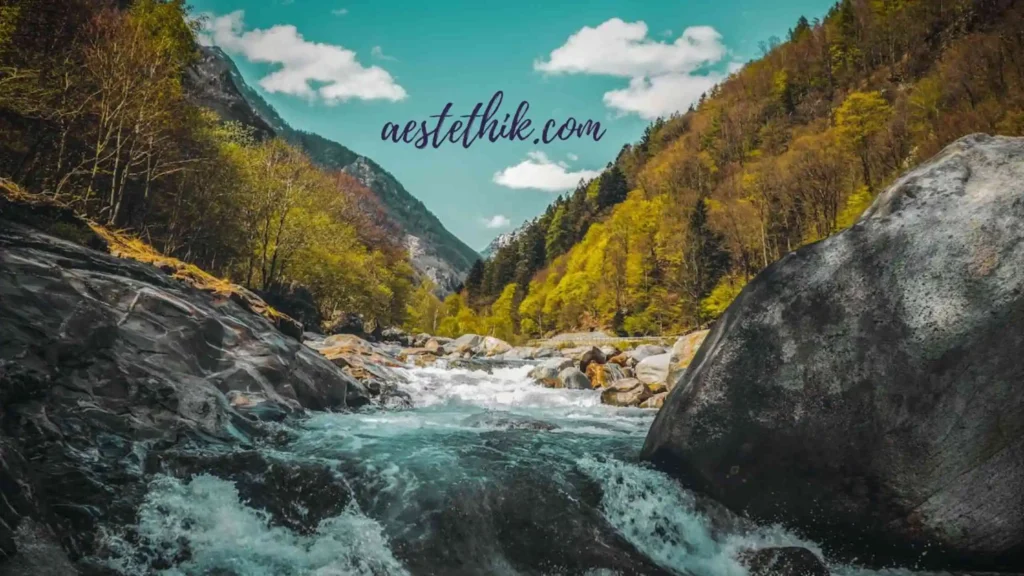
Short answer: To capture the signature emerald “Maldives” glow of Valle Verzasca, time your shoot for 08:30–10:30 AM during high summer (July–August). This window ensures maximum overhead light hits the white granite riverbed, activating the water’s refractive properties. Essential tools include a Circular Polarizer (CPL) to manage surface glare and a 6-stop ND filter for long-exposure silkiness. Always verify real-time water levels via Hydrodata Station 2605 before entering the riverbed.
At a glance | Valle Verzasca: The Maldives of Switzerland Photography Guide
- Best season: June–September for maximum water clarity and turquoise intensity. For photography, late September offers fewer crowds and softer light.
- Key Spots: Ponte dei Salti (Lavertezzo), Verzasca Dam (GoldenEye Bungee), and the traditional stone “rustico” houses of Sonogno village.
- Stay: Locarno or Ascona provide the best lakefront base; stay in a local “rustico” in Lavertezzo for early-morning access to the bridge.
- Transport: Take the PostBus 321 from Locarno. If driving, the “Verzasca Parking Card” is essential, but lots fill up by 10:00 AM in summer.
- Drone Policy: Mandatory FOCA registration for all camera drones; the Verzasca Dam is a strict no-fly zone.
The Zurich Prestige Series
Curating the pinnacle of Swiss hospitality. Discover Zurich’s most exclusive lakeside retreats and historic architectural sanctuaries.
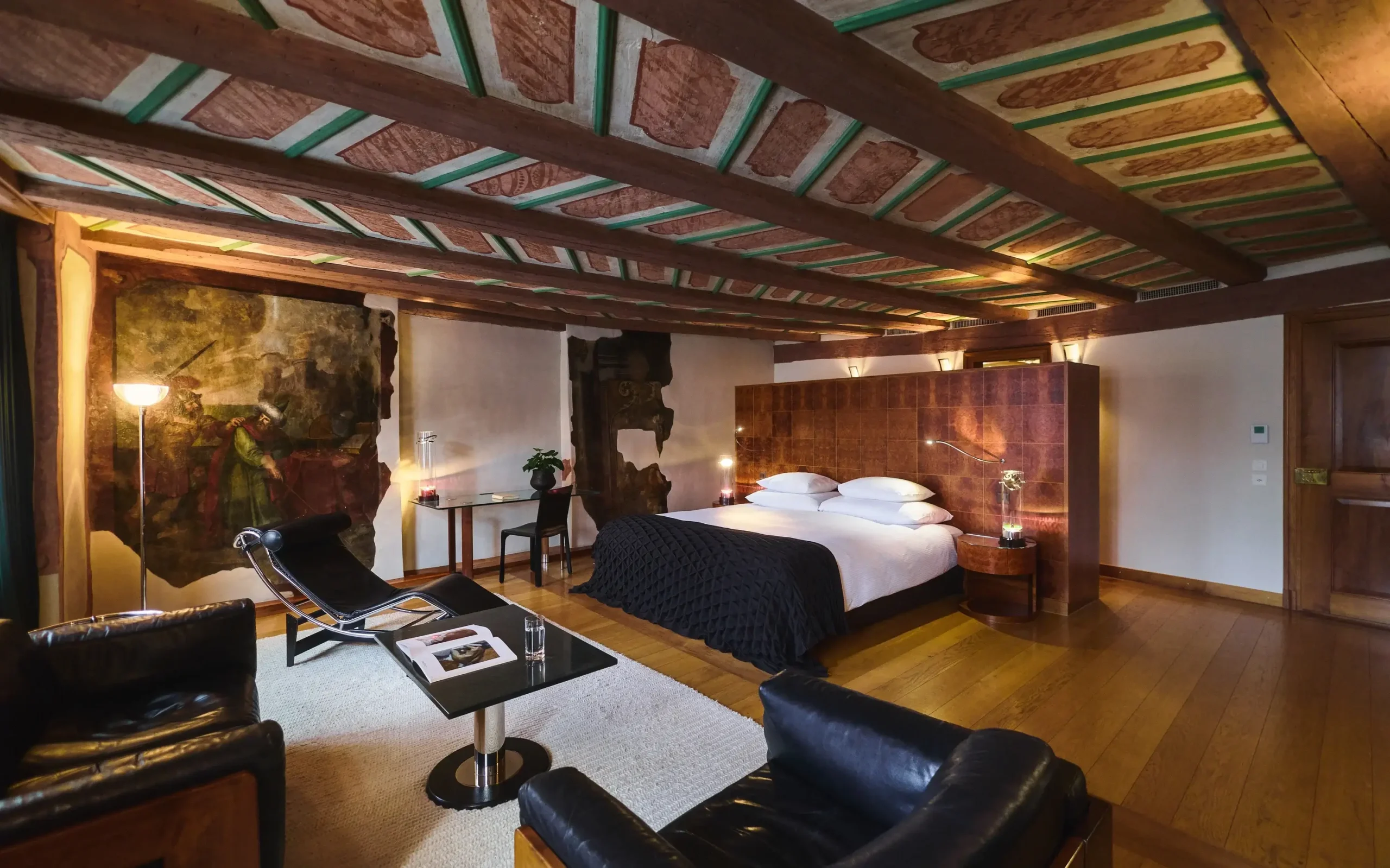
Residences by Widder
Exclusive, sprawling residences blending medieval architecture with avant-garde design in the heart of Zurich’s Old Town.
Reserve Private Residence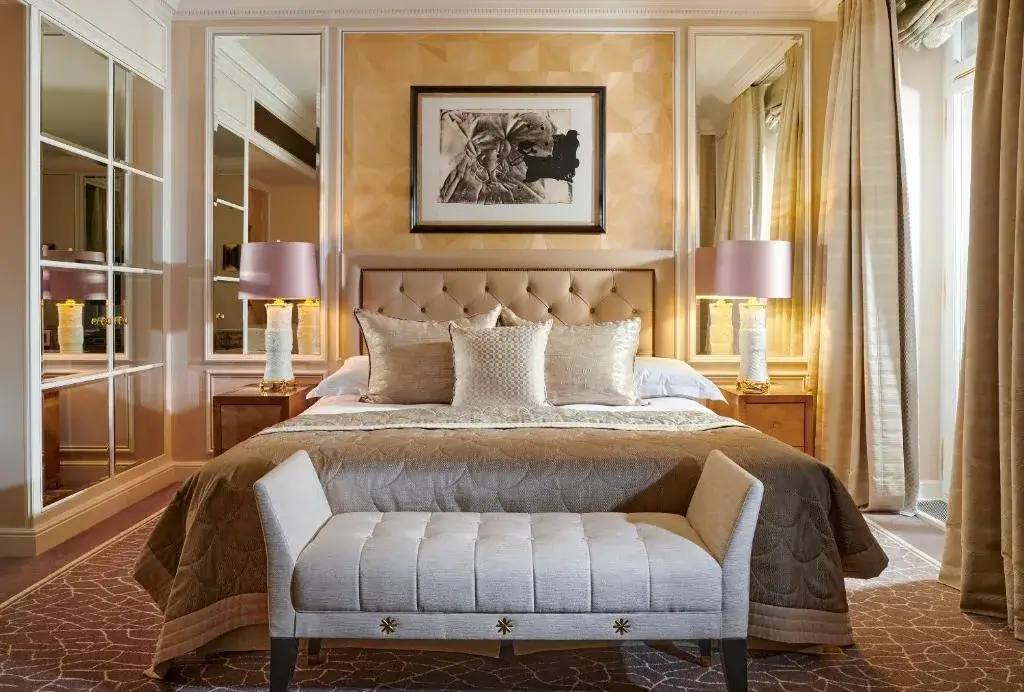
Baur au Lac
An undisputed legend of Swiss hospitality set within its own private park overlooking Lake Zurich and the Alps.
View Exclusive Rates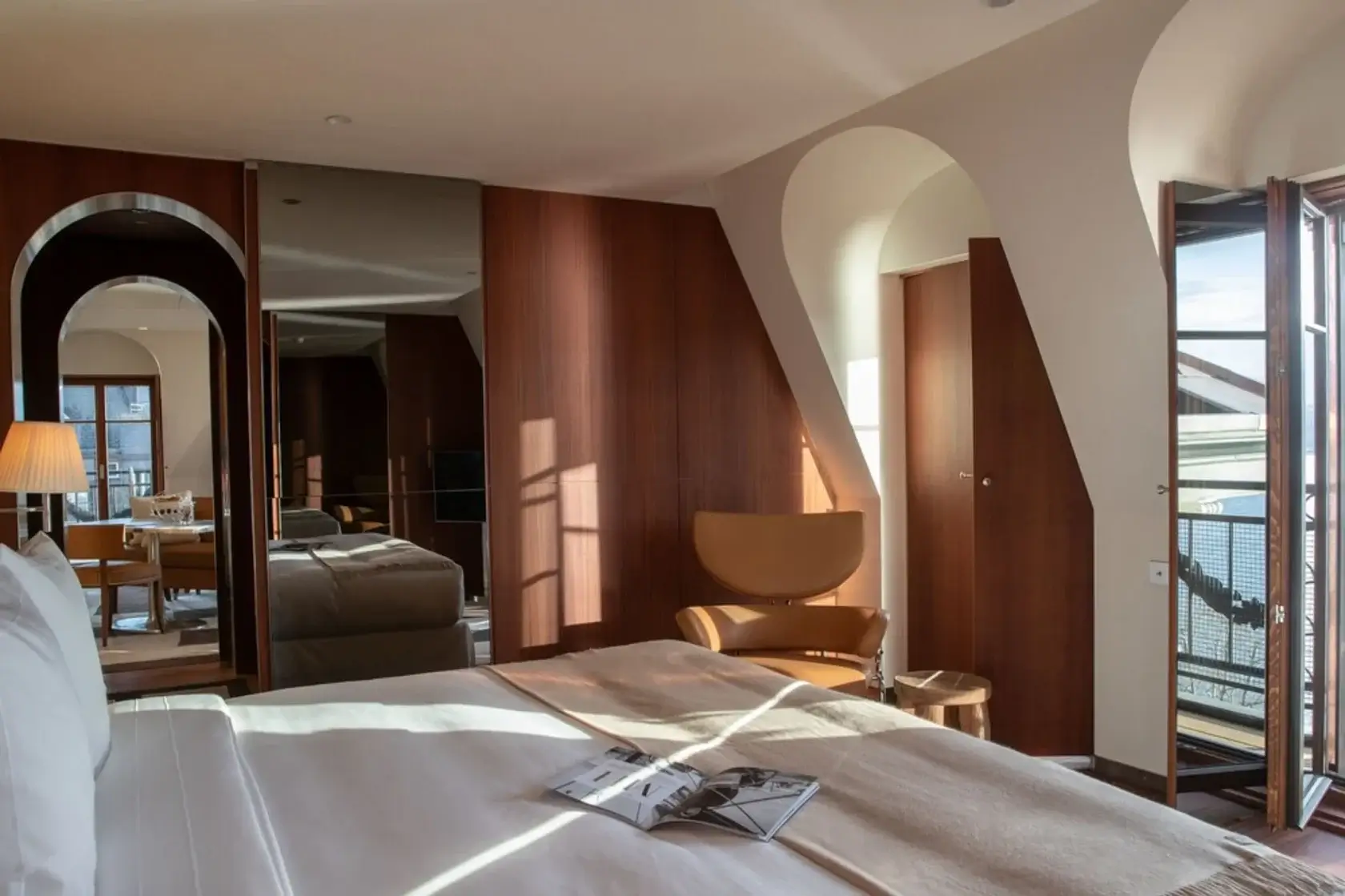
La Réserve Eden au Lac
An imaginative, yacht-club-inspired oasis reimagined by Philippe Starck, offering vibrant elegance on the lakeshore.
Check AvailabilityThe Intentional Frame: A Photography Guide to Valle Verzasca
You appreciate landscape photography as an act of restraint—an exercise in finding the singular, curated moment amidst nature’s complexity. Valle Verzasca is not a location to be rushed; it is a valley that demands an understanding of light, geology, and timing.
This guide provides a precise architectural plan for your shoot, from the exact sun windows in Lavertezzo to the tactical gear required for 2026’s evolving alpine environment. By the end, you will have a workflow that prioritizes editorial-grade composition over common tourist snapshots. We begin where the light meets the stone.
The Science of the Emerald: Why the Water Glows
The “Maldives of Switzerland” moniker is more than a marketing hook; it is a byproduct of unique mineralogy. The Verzasca riverbed is composed of Gneiss and light-colored granite, which act as a natural reflector. When combined with exceptionally low turbidity and low sediment discharge, sunlight undergoes selective wavelength scattering. The water absorbs the red end of the spectrum, leaving behind the vivid cyan and emerald tones that define the valley.
The nuance lies in the discharge rate. For the water to achieve its peak transparency, the flow must be steady but low. In 2026, with shifting alpine melt cycles, checking the Swiss Federal Office for the Environment (FOEN) data is the first step of any professional scout.
The Geneva Gold Standard
From the historic banks of Lake Geneva to ultra-private wellness sanctuaries, experience the pinnacle of Swiss hospitality.
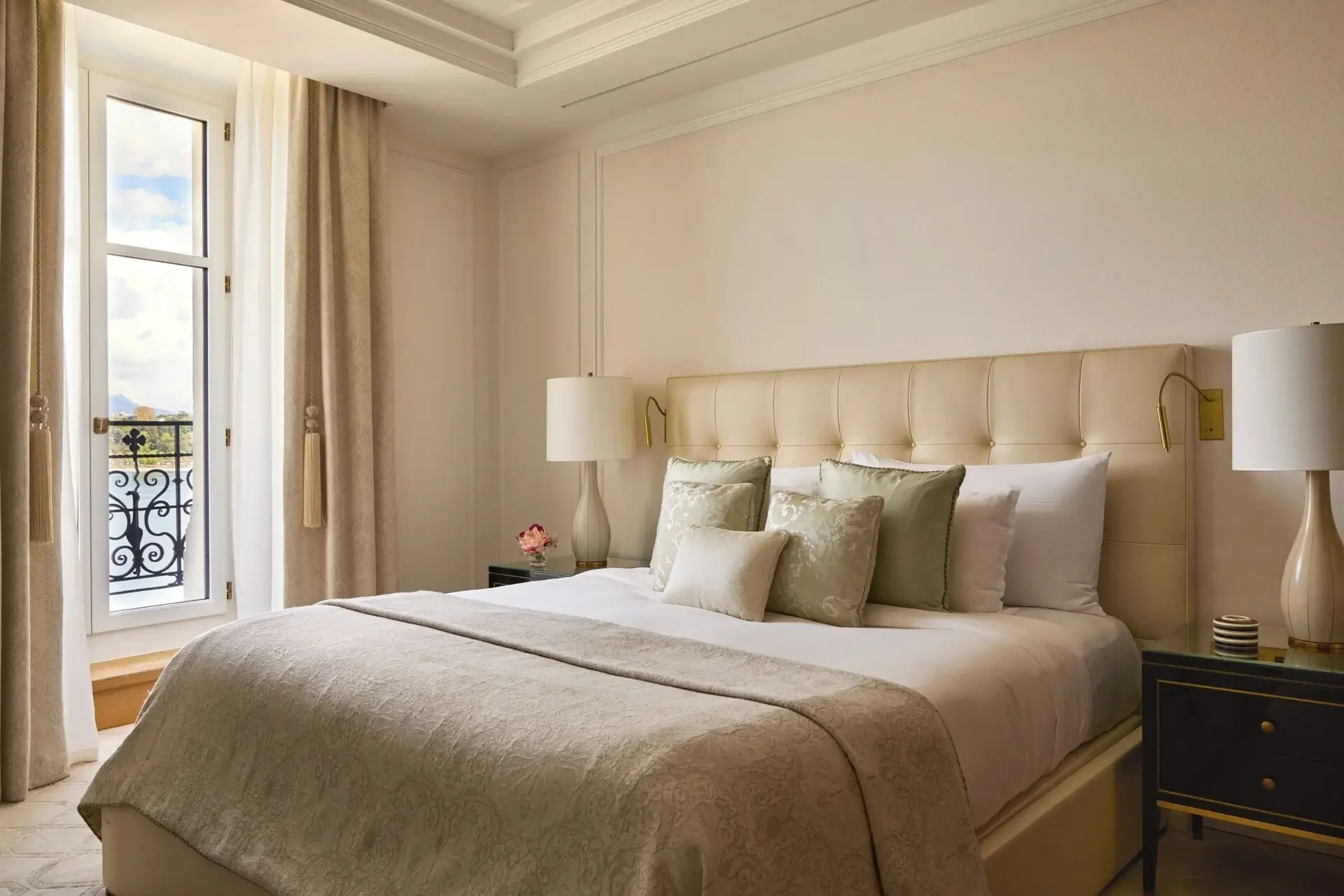
The Woodward
Geneva’s first all-suite hotel. A lakeside masterpiece featuring Michelin-starred dining and world-class Guerlain spa facilities.
Reserve Your Suite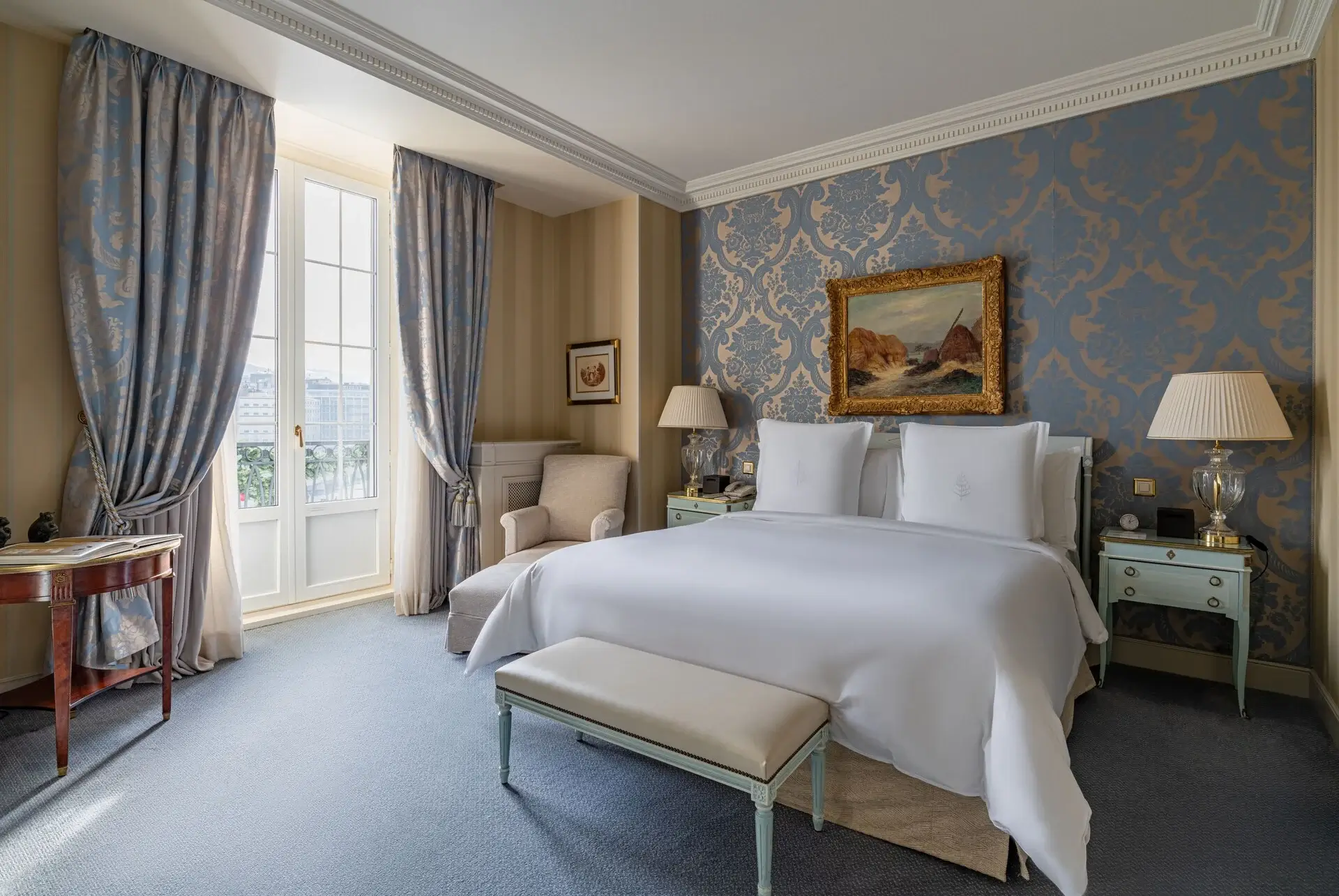
Four Seasons des Bergues
The oldest grand hotel in Geneva, blending historic elegance with panoramic views of the Jet d’Eau and the Alps.
Unlock Rates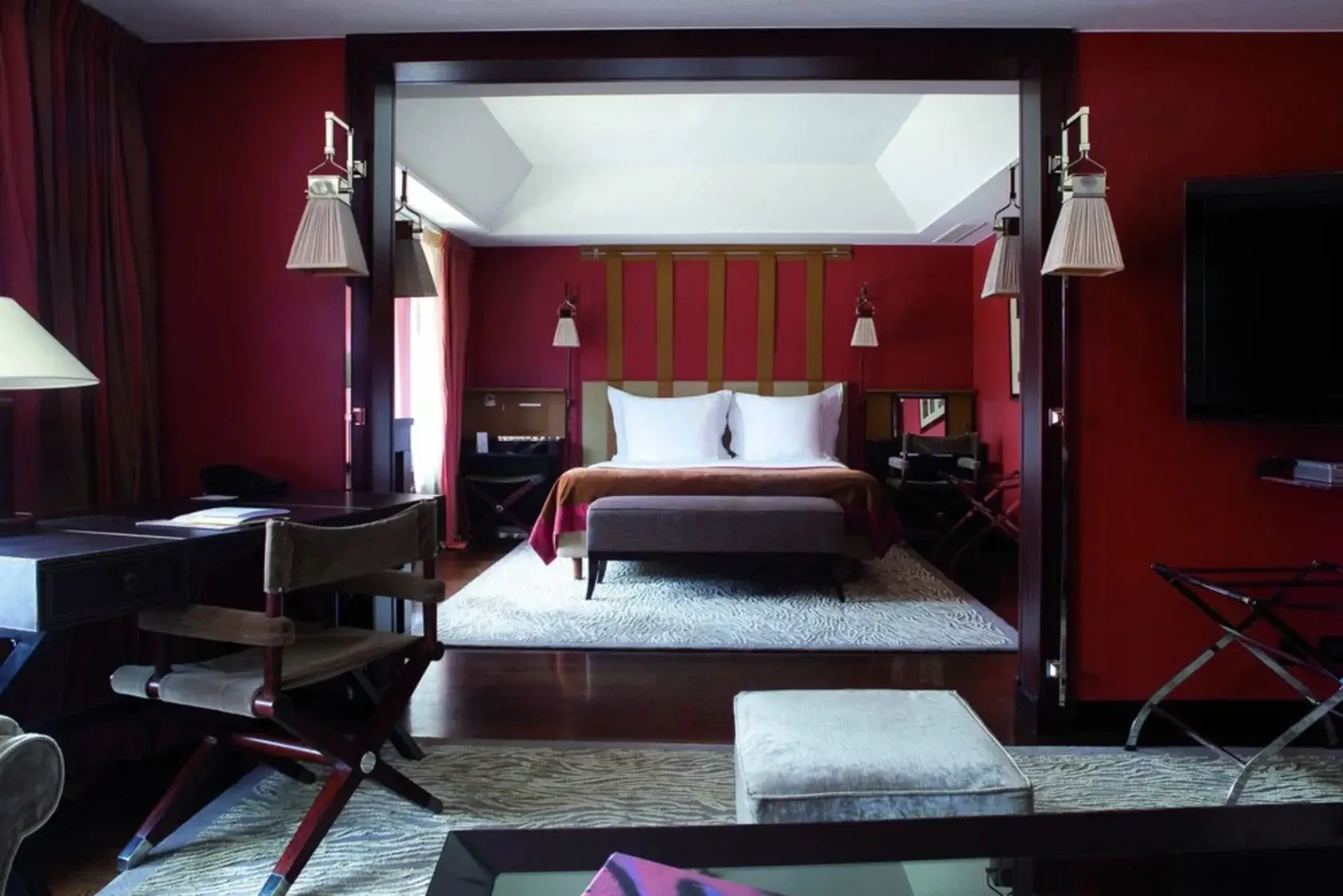
La Réserve Genève
Set within a private 10-acre park, this lakeside resort is a haven for wellness, featuring the renowned Nescens Spa.
Check AvailabilityBook Flight To Nearby Airport
When you travel, your time and comfort are your most valuable assets. That is why we recommend bypassing the hassle and booking your premium flights directly through below widget. Known for its powerful search technology, Kiwi makes securing the perfect, high-end itinerary effortless.
Whether you are flying for a crucial business meeting or a luxury getaway, booking the right flight sets the tone for your entire trip. We always recommend prioritizing direct flights in Business or First Class. Direct routes save you hours of exhausting layovers, while premium cabins offer priority boarding, exclusive lounge access, lie-flat seats, and superior dining. You arrive at your destination refreshed, respected, and ready to go.
Ready to secure your seat? Use the search tool below to find the best premium routes. Here is exactly how to tailor your search for the ultimate travel experience:
Your Step-by-Step Guide to Booking
1. Choose Your Journey Type Start by selecting either a One-way or Return trip at the top of the search box.
2. Upgrade Your Experience (Crucial Step) Click the cabin class dropdown and select Business Class or First Class. Skip the economy section—investing in a premium cabin ensures you get the exceptional service, extra space, and luxurious amenities you deserve from takeoff to touchdown.
3. Add Your Travel Companions Select the number of passengers traveling with you. Ensuring everyone is in the same premium cabin guarantees a cohesive and relaxing trip for your whole party.
4. Select Your Baggage Requirements Choose your checked and cabin baggage. A major perk of flying Business or First Class is that generous baggage allowances are almost always included, so you never have to pack light unless you want to.
5. Choose Currency: Select currency which you prefer for better understanding.
6. Enter Your Departure and Destination Input your home airport and where you are headed. Pro tip: Look for the direct flight options that populate. Direct flights dramatically reduce your travel time and minimize the risk of lost baggage or delays.
7. Search & Secure Your Flight Hit the Search button! This will instantly aggregate the best premium, direct routes available. Choose the schedule that fits your life, and complete your secure booking in just a few clicks.
Start Your Search Now:
Location I: Lavertezzo & Ponte dei Salti
The double-arched 17th-century bridge is the valley’s most recognizable silhouette. However, the intentional photographer looks past the arches toward the limestone basins below.
- The Shot: Descend to the boulders south of the bridge. Use the massive, water-smoothed rocks as leading lines toward the emerald pools.
- The Window: 08:30–10:30 AM. Before 08:30, the valley walls cast deep, distracting shadows. After 11:00, the “glare” becomes difficult to manage even with a high-end CPL.
- Sensory Detail: Feel the texture of the warm granite underfoot. The scent here is a crisp mix of alpine ozone and sun-baked stone.
- Lens Choice: 16–35mm f/2.8. Wide enough to capture the scale of the arches while maintaining focus on the crystalline foreground.
Location II: Verzasca Dam (Contra Dam)
A monolithic exercise in concrete and gravity, the dam offers a brutalist contrast to the river’s organic curves.
- The Shot: Focus on verticality. Shoot the concrete face in the late afternoon. The light grazes the texture of the wall, highlighting the engineering prowess.
- The Restriction: In 2026, drone regulations in Switzerland remain strict. The dam is classified as critical infrastructure; UAS flights are strictly prohibited within 100 meters. Stick to the tripod for cinematic, long-exposure stills.
- Verdict: Ideal for photographers seeking architectural drama rather than natural serenity.
Location III: Sonogno – The Texture of the Rustici
At the end of the valley lies Sonogno, a village where time is measured in centuries of stone.
- The Shot: The Rustici (traditional stone houses) are best captured during the “blue hour” or on overcast days when the grey slate roofs take on a moody, matte finish.
- The Technique: Use a 50mm prime to isolate details: a bundle of drying herbs against a granite wall, or the intricate layering of the stone shingles.
- Ethical Note: This is a living village. Avoid tripod setups that block narrow pedestrian paths and never photograph into private windows.
The Zermatt Alpine Series
Curating the pinnacle of high-altitude luxury. Discover Zermatt’s most exclusive mountain retreats and unmatched Matterhorn views.
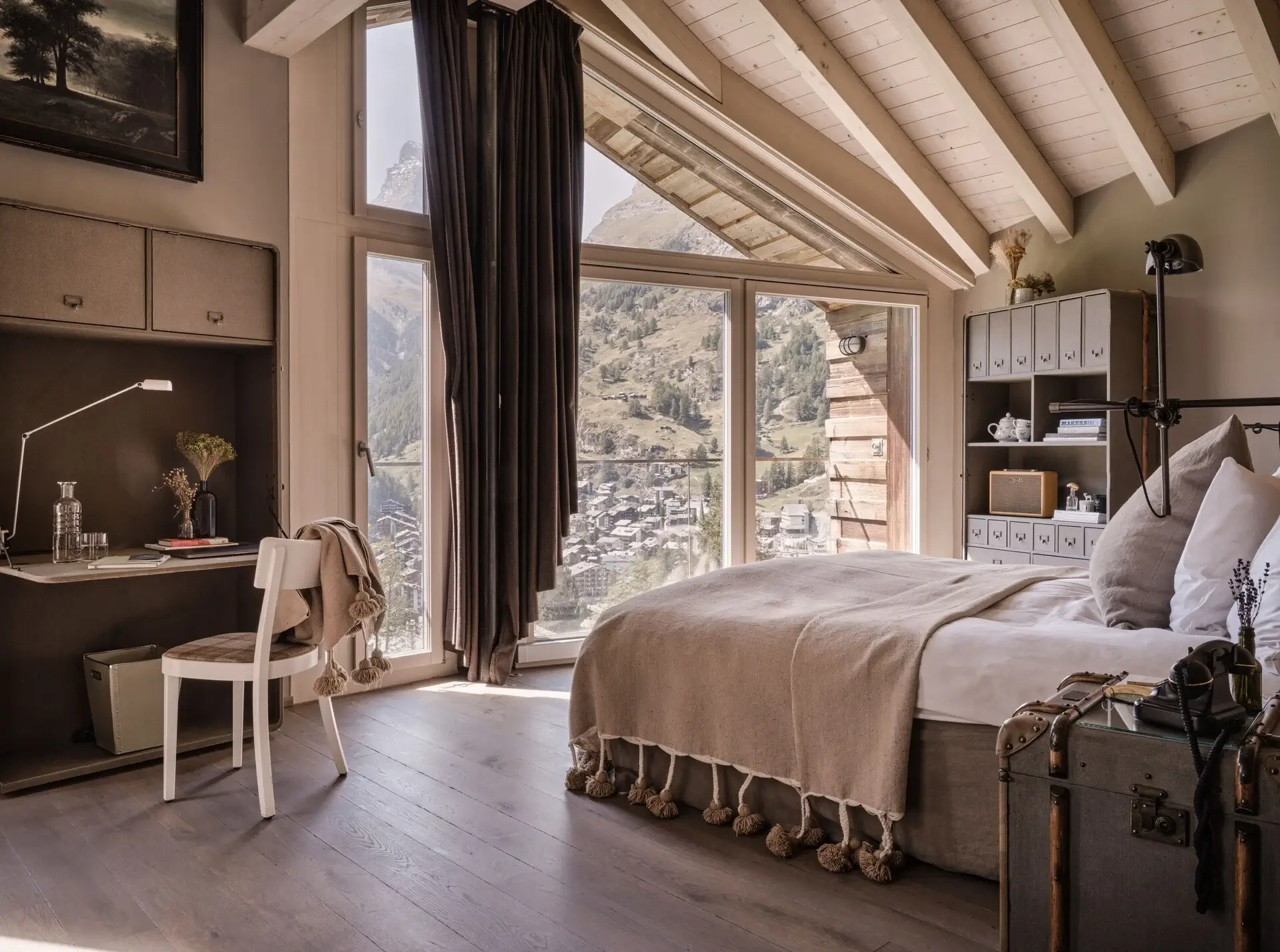
CERVO Mountain Resort
A conscious, modern retreat blending sustainable luxury with ski-in/ski-out access and breathtaking Matterhorn panoramas.
Discover CERVO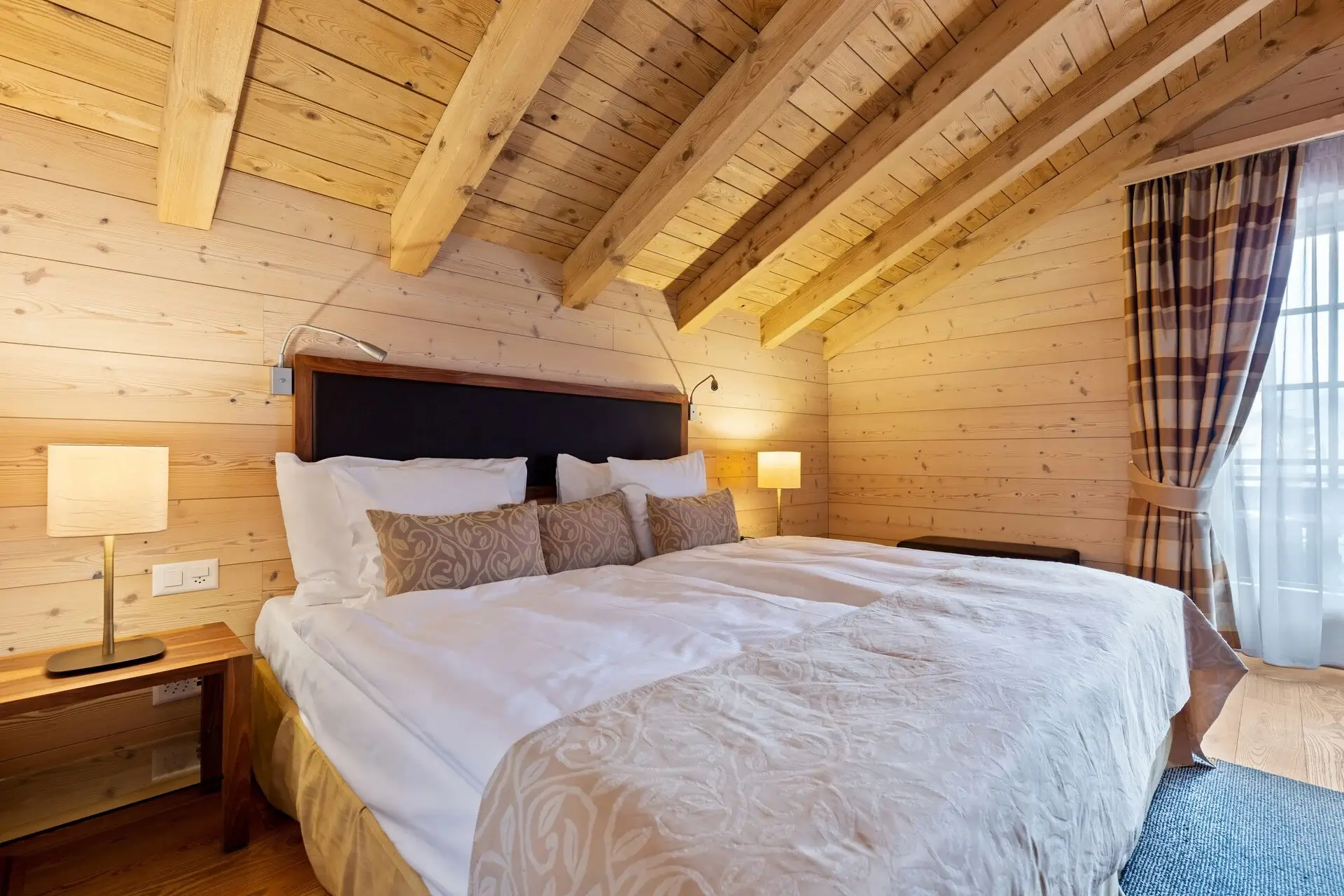
Grand Hotel Zermatterhof
A masterclass in traditional Swiss hospitality. Arrive by horse-drawn carriage to this legendary 19th-century palace.
Step Into History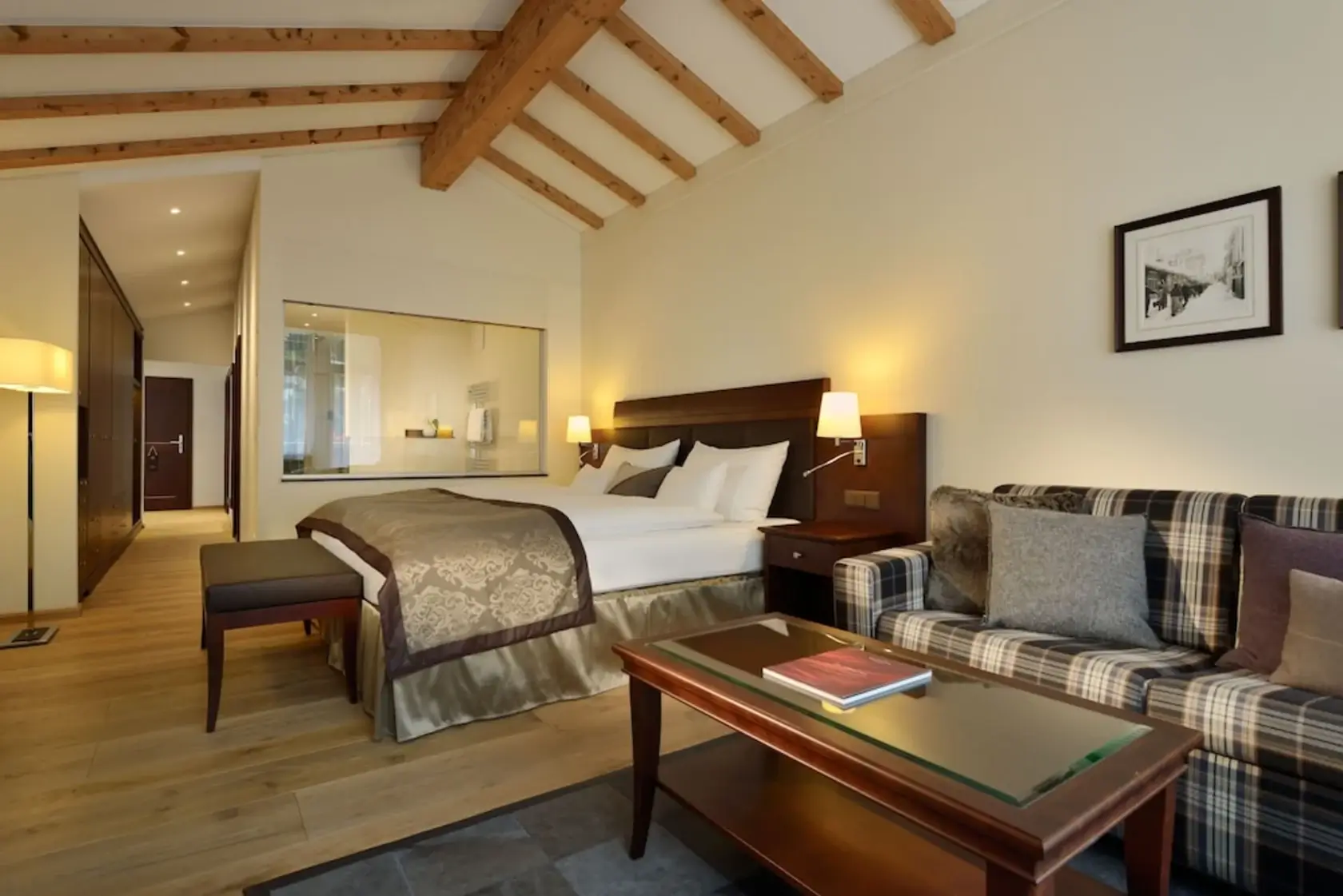
Mont Cervin Palace
A legendary member of the Leading Hotels of the World, delivering timeless Swiss charm and carriage arrivals since 1852.
Reserve the Palace2026 Gear & Logistics: The Professional Suite
Minimalism is the core of the Aestethik philosophy. You do not need a dozen lenses; you need the correct optics and the patience to wait for the light.
Essential Hardware Comparison
| Item | Editorial Purpose | Why It Matters for 2026 |
| Circular Polarizer (CPL) | Surface glare removal | Mandatory for revealing the white granite bed. |
| 6-Stop ND Filter | 1–3s motion blur | Creates “silk” without losing the water’s emerald structure. |
| Sturdy Tripod | Long-exposure stability | Verzasca rocks are notoriously slick; stability is safety. |
| Vibram-Sole Boots | Traction on wet rock | Crucial for accessing water-level angles safely. |
The 2026 Logistic Landscape
Navigating Switzerland in 2026 requires updated digital and legal preparation.
- ETIAS Authorization: If you are visiting from outside the Schengen zone, ensure your ETIAS (European Travel Information and Authorisation System) is active. While implementation began in late 2025, it is fully operational in 2026.
- Swiss Travel Pass: As of early 2026, a 3-day Swiss Travel Pass starts at CHF 254 (2nd Class). This is the most efficient way to access the PostBus 321, which we recommend over driving.
- Parking: If you must drive, the Verzasca Parking Card is CHF 12 for one day or CHF 40 for a week. Parking at Lavertezzo is limited to 3 hours during peak times—another reason to opt for the bus.
Post-Processing: The ‘Maldives’ HSL Recipe
The Aestethik aesthetic is subtle. We avoid over-saturation. The goal is to recreate the inner light of the river, not to make it look like a postcard.
- Calibration: Increase the Blue Primary Saturation to +10 to deepen the baseline tones.
- HSL Saturation: Aqua (+15), Blue (+5), Green (-10). Desaturating the greens prevents the surrounding foliage from competing with the water.
- HSL Luminance: Aqua (+40). This is the “secret sauce.” Increasing luminance makes the water appear backlit by the white granite below.
- Masking: Always use a Luminance Range mask on the water only. Do not let these shifts affect the warm tones of the granite.
The Intentional Itinerary: A Sample Shoot Day
| Time | Location | Action |
| 07:45 | Depart Locarno | Take PostBus 321 toward Sonogno. |
| 08:30 | Lavertezzo | Primary shoot window for the emerald pools. |
| 11:30 | Sonogno | Midday lunch at a local Grotto; village texture photography. |
| 14:30 | Brione | Explore the “Art Path” for shaded, intricate cascades. |
| 17:00 | Verzasca Dam | Late afternoon light on the reservoir and dam wall. |
Key Takeaways
- Peak Window: 08:30–10:30 AM for the “emerald” effect.
- Safety First: Bookmark Hydrodata Station 2605. A discharge spike of even a few $m^3/s$ can make the riverbed dangerous.
- Minimalism: A single wide-to-normal zoom and a CPL are more valuable than a bag full of primes.
- Respect: The valley is a sensitive ecosystem. Pack out all waste and respect the “No-Fly” zones at the dam.
Recommended Travel Tales
Short reads, itineraries and travel ideas — updated regularly.
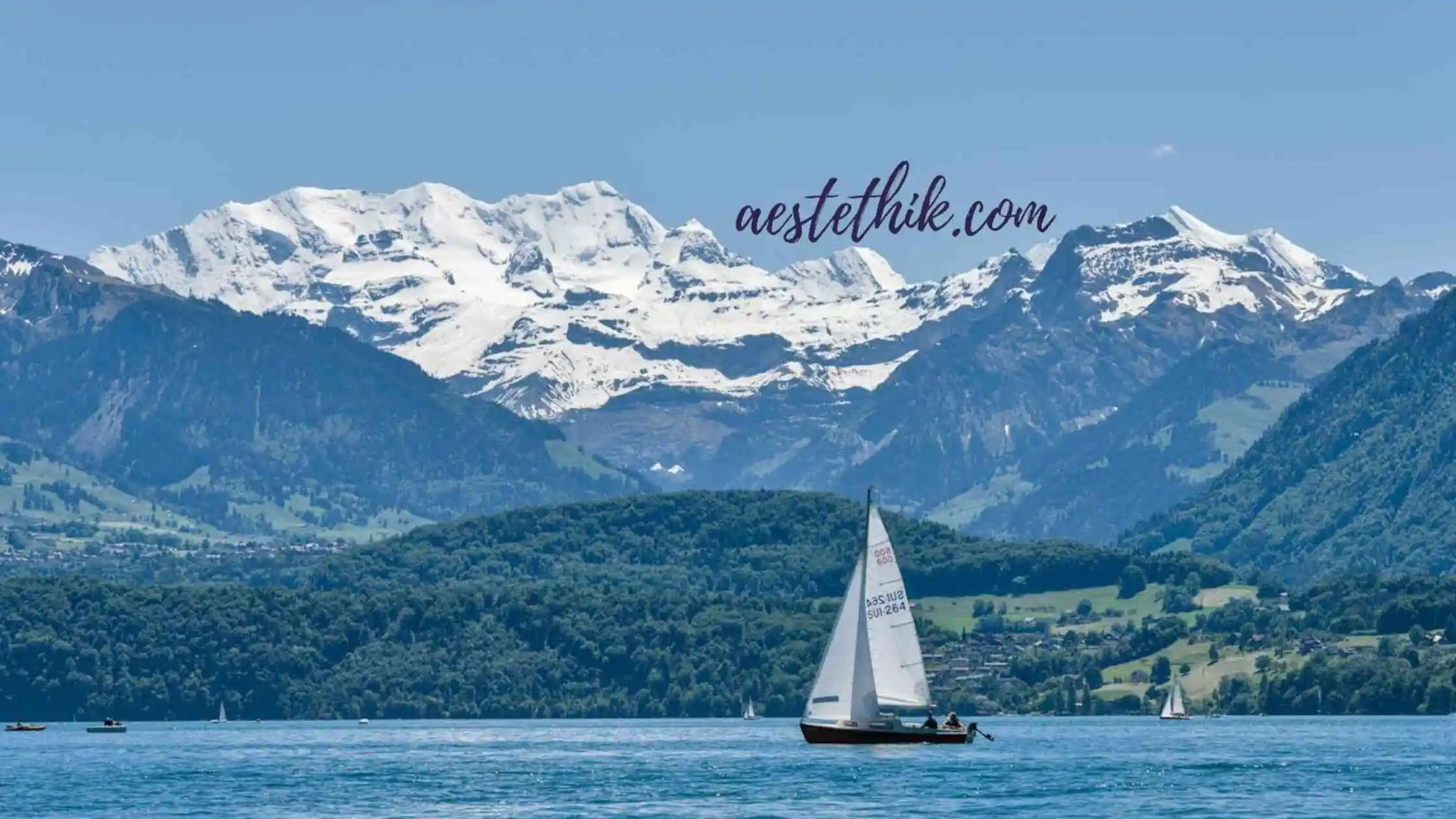
Interlaken Brienz, Thun: The Best Lakes of Switzerland Guide
Discover Interlaken and the stunning Lakes Brienz and Thun. Learn the best time to visit, boat cruises, hiking, and transport tips with Swiss Travel Pass.
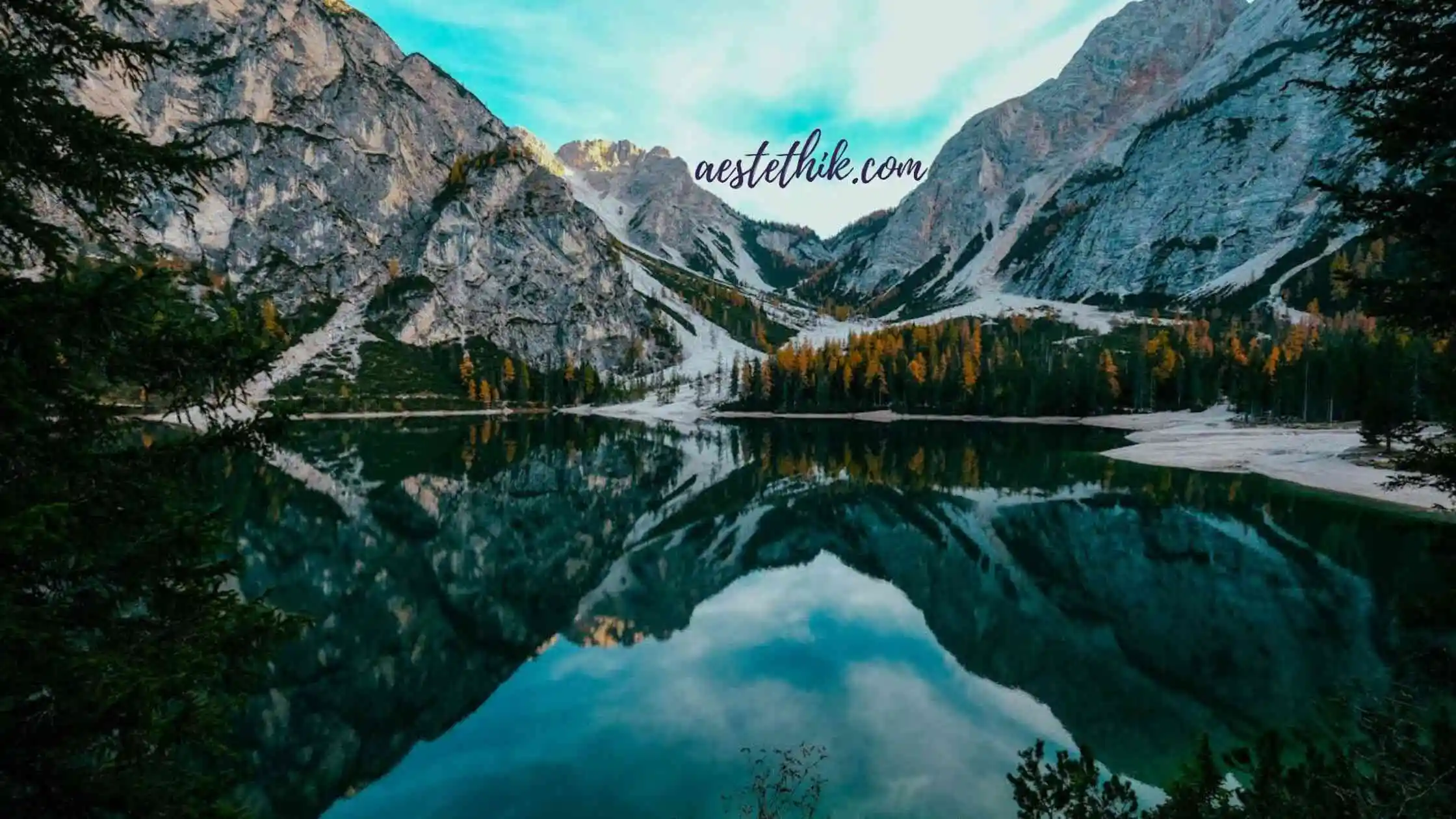
Beyond Blausee: 5 Secret Turquoise Lakes in Switzerland 2026
Discover 5 breathtaking turquoise lakes beyond Blausee, Switzerland. Expert guide on secret Swiss spots, transport, costs, and the best time to visit.
The Best 15 Places in Interlaken CH, Switzerland
From alpine viewpoints and turquoise lakes to waterfalls and historic streets — discover the 15 must-visit places that define Interlaken.
Frequently Asked Questions | Valle Verzasca Photography
Essential tips for capturing the “Maldives of Switzerland” — from drone regulations and best light timings to transport and safety.
When is the best time to photograph Valle Verzasca for the clearest water?
Which Valle Verzasca spots are best at sunrise and sunset?
Are drones allowed over the Verzasca Dam and valley pools?
How do I reach Lavertezzo from Locarno by public transport?
Which trails are suitable for carrying camera packs and tripods?
Are there entry fees or permits required for photography?
What are the safest footwear and clothing choices?
How much should I budget for a 2-day photography trip?
Where are the best places to edit photos with stable internet?
Which photo spots are wheelchair or stroller-friendly?
Can I swim in the pools and still keep my equipment safe?
Which indoor alternatives exist in bad weather?
Connect with Aestethik ~ Receive Premium Stories, Tips & Guides for FREE!
Connect with us on LinkedIn, YouTube, Instagram, Facebook and Pinterest. Join now ⟶