
Zermatt Travel Guide
Home of the world's most iconic mountain, where the Matterhorn lords over a car-free village of legendary Alpine luxury. Our expert editors curate the finest hotels, ski resorts, restaurants, and insider secrets for visiting Zermatt, Switzerland — updated continuously for 2026.
Expert Zermatt Guides
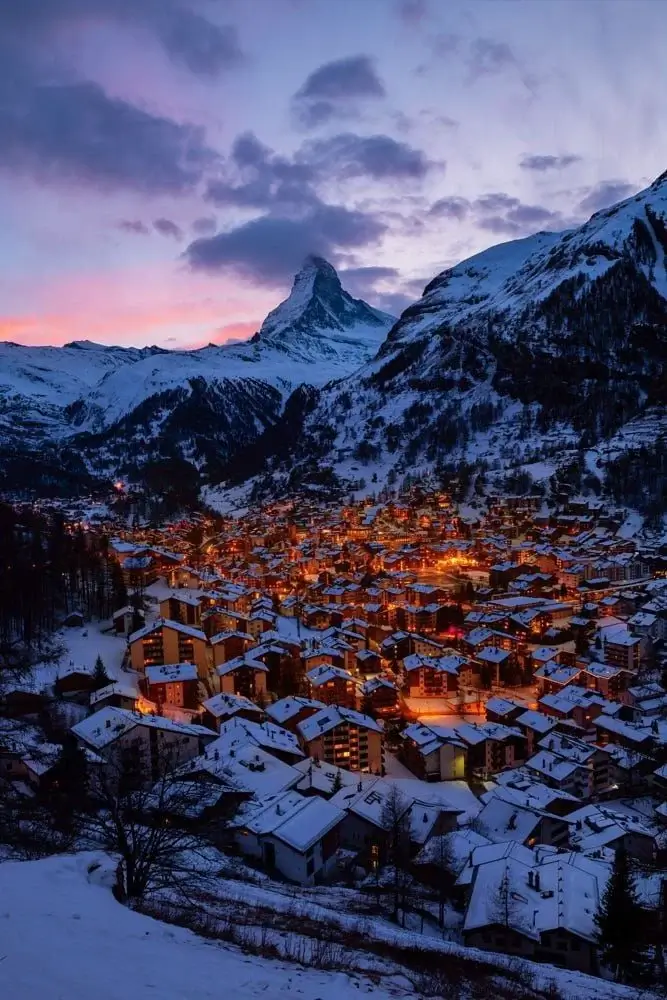
How Can You Plan Your Trip To Zermatt, Switzerland?
Discover Zermatt's most breathtaking attractions — from the iconic Matterhorn viewpoints and Matterhorn Glacier Paradise to the Gornergrat railway, Five Lakes Walk, and the car-free village's finest experiences.
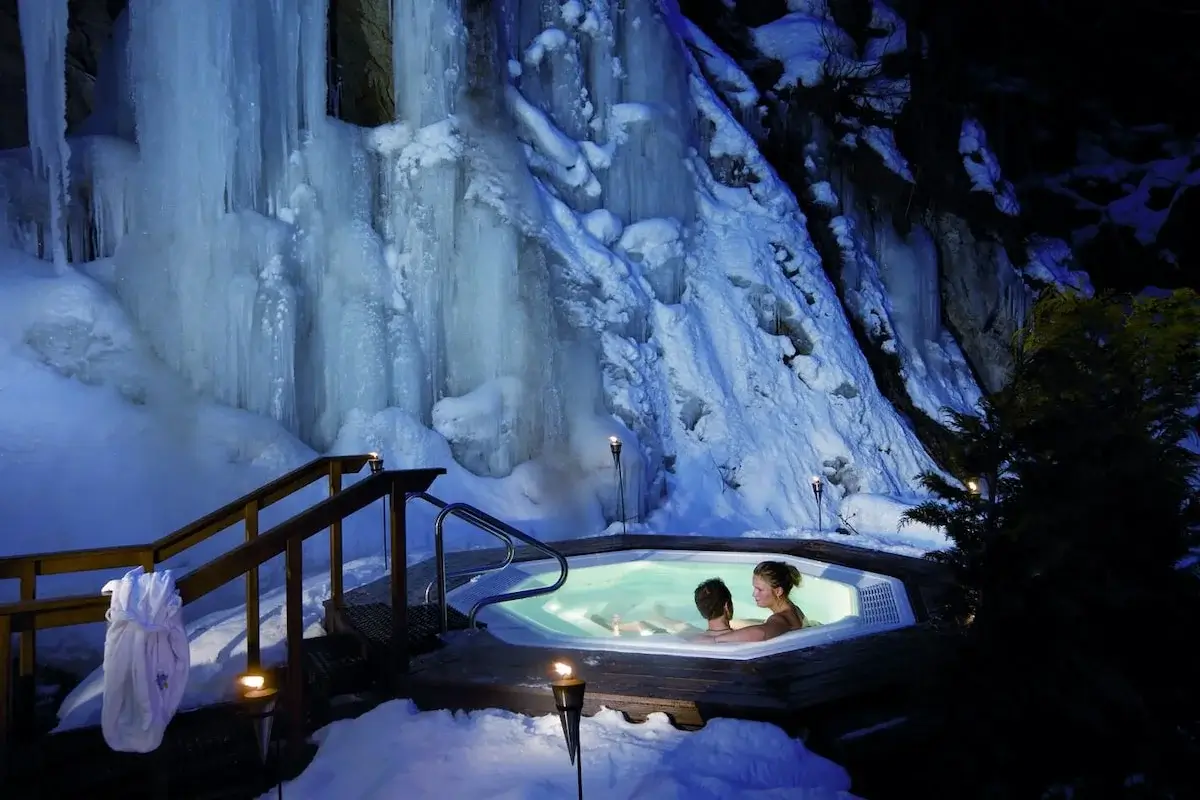
The Best Luxury Swiss Hotels & Wellness Resorts in Zermatt
Find the most captivating spa resorts in Zermatt, from alpine wellness hideaways to high-end mountain retreats with spectacular Matterhorn views.
Zermatt at a Glance
Zermatt is Switzerland's most iconic Alpine resort — a car-free village perched at 1,620 metres in the Valais Alps, presided over by the Matterhorn (4,478 m), the most photographed mountain on earth. Every rooftop terrace, hotel window, and mountain restaurant frames this pyramidal peak in a different light: pink at dawn, stark white under noon sun, luminous amber at dusk. The village itself is a seamless blend of traditional wooden chalets and Michelin-starred restaurants, designer boutiques, and world-class spas — all accessible only on foot or by electric vehicle, preserving an atmosphere of rare purity. In winter, three interconnected ski areas — Zermatt–Cervinia (linking Switzerland and Italy), Rothorn, and Gornergrat — deliver 360 kilometres of pistes, with year-round glacier skiing on the Matterhorn Glacier Paradise at 3,883 metres, the highest cable-car station in the Alps. In summer, 500+ kilometres of hiking trails fan out from the village, including the legendary 5-Seenweg (Five Lakes Walk), each lake a perfect mirror of the Matterhorn. The Gornergrat cogwheel railway (3,089 m) offers one of the great Alpine panoramas, while the Zermatlantis Museum tells the story of early mountaineering and the first Matterhorn ascent in 1865. Whether you stay at the Riffelalp Resort, the cliff-top The Omnia, or the legendary Mont Cervin Palace, Zermatt rewards at every level of the itinerary.
Frequently Asked Questions
Everything you need to know before visiting Zermatt, Switzerland
-
Zermatt is a year-round destination with two distinct peak seasons. Winter (December to April) is ideal for skiing on 360 km of world-class pistes and year-round glacier skiing on the Matterhorn Glacier Paradise at 3,883 m. Summer (July to September) is perfect for hiking 500+ km of trails with clear Matterhorn views. Shoulder seasons (May–June and October–November) offer fewer crowds and lower prices, though some lifts may be closed for maintenance.
-
Zermatt's finest luxury hotels include The Omnia (cliff-top boutique retreat with panoramic Matterhorn views), Mont Cervin Palace (five-star grand dame in the heart of the village), Grand Hotel Zermatterhof (the oldest luxury address in Zermatt, recently reimagined), Riffelalp Resort 2222m (the highest five-star hotel in the Alps, accessed by private rack railway), and Hotel Alex (legendary owner-run luxury with a devoted following).
-
Zermatt is a car-free village. The most popular route is to fly into Geneva Airport (GVA) or Zurich Airport (ZRH), take the Swiss rail network to Visp or Brig, then board the Matterhorn Gotthard Bahn (MGB) to Zermatt. The journey from Geneva takes approximately 3.5 hours; from Zurich approximately 3.5 to 4 hours. Private cars must be parked at Täsch (4 km away), from where a shuttle train runs every 20 minutes. Helicopter transfers are also available for a premium arrival experience.
-
Zermatt is one of Switzerland's most expensive resorts. A daily ski pass costs approximately CHF 80–100 per adult. Mid-range hotel rooms start from CHF 300 per night; five-star hotels from CHF 700–2,000+. Dining ranges from CHF 30 at a mountain hut to CHF 200+ at fine-dining restaurants. The Switzerland Travel Pass covers the train from Zurich or Geneva to Zermatt. Booking accommodation and lift passes well in advance — especially for Christmas, New Year, and February half-term — is strongly recommended.
-
Summer in Zermatt offers world-class hiking on 500+ km of marked trails, glacier skiing on the Matterhorn Glacier Paradise, the Gornergrat railway ascent for sunrise Matterhorn views, rock climbing and mountaineering with UIAGM guides, mountain biking on dedicated trails, and the famous 5-Seenweg (Five Lakes Walk) — a circuit passing five mountain lakes each reflecting the Matterhorn. The Zermatt Unplugged music festival (April) and the Zermatt Folklore Festival (August) are popular cultural highlights.
-
Zermatt is world-famous for the Matterhorn (4,478 m) — the most-photographed mountain on earth and the symbol of Switzerland. It is also celebrated for having one of Europe's largest and highest ski areas (360 km of pistes), the Matterhorn Glacier Paradise cable car (highest in the Alps at 3,883 m), the historic Zermatlantis Museum, the Gornergrat cogwheel railway, and its permanent car-free status since 1947, which preserves uniquely clean Alpine air and a peaceful village character.
-
No — Zermatt has been a car-free village since 1947. Private petrol and diesel vehicles are not permitted in the village. Visitors must park their cars at the Matterhorn Terminal in Täsch (4 km from Zermatt) and take the Matterhorn Gotthard Bahn shuttle train (every 20 minutes, journey approximately 12 minutes). Within Zermatt, transport is by electric taxi, horse-drawn carriage, electric hotel shuttle, or on foot. This car-free policy is a key reason for the village's extraordinary clean air and timeless Alpine atmosphere.