
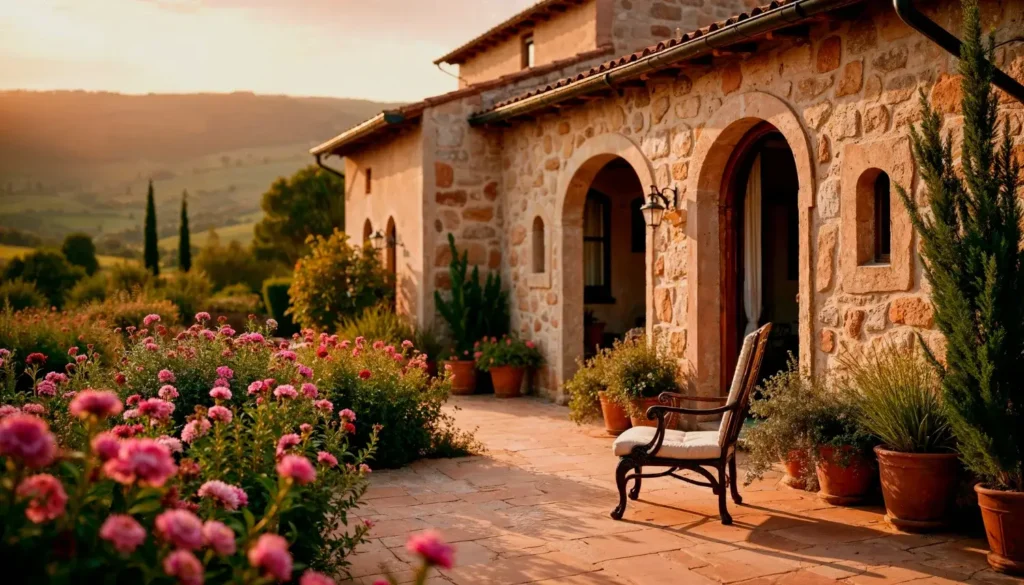
To travel in Tuscany in 2026, combine regional trains for art cities like Florence with a rental car for the scenic Chianti countryside.
At a Glance
- Best Time: April–June & September–October for mild weather and harvest events.
- Transport: Use trains for city hopping and rent a car for rural exploration.
- Top Experiences: Renaissance art in Florence, wine tasting in Chianti, and Val d’Orcia drives.
- Typical Cost: Approx. €700–€3,000+ per trip depending on style and season.
Tuscany is one of the most famous regions in Italy, known for its rich culture and beautiful landscapes. Whether you are drawn to the rolling hills of Chianti’s vineyards or the art of Florence, travel in Tuscany has something for everyone. The region allows you to step into a place where the past and present come together. Planning is key to getting the best out of your travel here, ensuring you see main sights without missing hidden gems.
Explore Florence | Heart of Renaissance Art and Culture
Florence is Tuscany’s crown jewel and the birthplace of the Renaissance. The city is filled with famous art galleries like the Uffizi and the Galleria dell’Accademia, which holds Michelangelo’s David.
- Key Sights: The Duomo, Ponte Vecchio, and Uffizi Gallery.
- Dining: Try the famous Bistecca alla Fiorentina (T-bone steak) which is a must for visitors.
- Where to Stay: Luxury options include Villa San Michele, while Plus Florence Hostel serves budget travelers.
Explore Siena | Medieval Charm and Palio Horse Race
Siena takes you back to medieval times with its historic architecture. The city centers around the Piazza del Campo, which hosts the famous Palio horse race.
- Key Event: The Palio runs on July 2 and August 16.
- Vibe: Gothic cathedrals and old streets offer an authentic feel.
- Dining: Enjoy rustic dishes like pici pasta at La Taverna di San Giuseppe.
Explore Chianti | Scenic Drives and Wine Tasting
Chianti is ideal for wine lovers and lies between Florence and Siena. The area is known for Chianti Classico wines and is perfect for vineyard tours.
- Activity: Drive the SR222 Chiantigiana road for stunning views.
- Experience: Visit during the Grape Harvest Festival in late September.
- Stay: Fattoria di Felsina offers an authentic agriturismo experience.
Explore Val d’Orcia | Rolling Hills and UNESCO Heritage
Val d’Orcia represents the iconic Tuscan landscape with rolling hills and cypress trees. This UNESCO World Heritage Site includes charming towns like Pienza and Montalcino.
- Must-Do: Sunrise photography and scenic drives are top experiences here.
- Wine: Montalcino is famous for Brunello di Montalcino wines.
- Stay: Agriturismo Il Rigo provides panoramic views and traditional meals.
Explore Pisa | Beyond the Leaning Tower
Pisa is famous for its Leaning Tower, but the city offers a rich cultural scene beyond this landmark. Visitors should explore the Piazza dei Miracoli and various history museums.
- Dining: Osteria di Culegna offers Tuscan dishes with a modern twist.
- Timing: Visit early morning or late afternoon to avoid crowds at the tower.
Explore Lucca | Renaissance Walls and Relaxed Atmosphere
Lucca is a quieter city surrounded by intact Renaissance walls. You can walk or cycle along these walls for views of historic architecture like San Michele Church.
- Activity: Cycling the walls is a top activity due to the flat terrain.
- Stay: B&B La Piazzetta offers budget-friendly rooms within the walls.
Explore Maremma | Coastal Beauty and Natural Reserves
Maremma is perfect for nature lovers and those seeking coastal escapes. This region features natural reserves and unspoiled beaches like those at Castiglione della Pescaia.
- Nature: The Maremma Regional Park offers beautiful hiking trails.
- Season: Fall is great for scenic hikes in this area.
Explore San Gimignano | Iconic Towers and Medieval Charm
Known as the “Medieval Manhattan,” San Gimignano is famous for its preserved stone towers. The town offers scenic piazzas and sweeping views of the countryside.
- Treat: Don’t miss the famous gelato at Gelateria Dondoli.
- Wine: Enjoy Vernaccia white wine in the cool cellars.
Explore Elba Island | Beaches and Napoleonic History
For a unique experience, visit Elba Island, known for its Napoleonic history and stunning beaches. It is an ideal mix of history and outdoor adventure with great snorkeling spots.
- Escape: A perfect summer getaway to enjoy refreshing sea breezes.
Explore Arezzo | Etruscan History and Art
Arezzo offers deep Etruscan history and art treasures. Key sites include the Basilica of San Francesco featuring frescoes by Piero della Francesca.
- Shopping: The monthly antique fair draws collectors from all over Italy.
Tuscany Travel Playbook (24–72 Hour Actions)
- Book Museums: Reserve Uffizi and Accademia tickets 2–4 weeks ahead in shoulder season.
- Book Peak Stays: Secure Chianti or Val d’Orcia accommodations 6–8 weeks in advance for summer.
- Rent Transport: Book a car for countryside trips; stick to trains for Florence and Pisa.
- Pack Smart: Bring a universal adaptor and comfortable walking shoes for cobblestones.
- Stay Connected: Buy a TIM or Vodafone SIM card for strong rural coverage.
Cost of Traveling in Tuscany
Understanding the costs ensures a stress-free trip to Tuscany.
- Luxury Hotels: €200–€400 per night in city centers.
- Mid-Range Hotels: €80–€150 per night for boutique stays.
- Budget/Agriturismos: €60–€120 per night for farm stays or rural guesthouses.
- Fine Dining: €50–€100 per person at high-end restaurants.
- Casual Dining: €15–€30 per person at trattorias.
- Street Food: €5–€10 for panini or pizza al taglio.
- Car Rental: €30–€60 per day plus fuel and parking fees.
Best Time to Visit
- Spring (Apr–Jun): Blooming landscapes, 15°C–25°C temps, and fewer crowds.
- Fall (Sept–Oct): Harvest festivals, wine tasting, and cool weather (16°C–23°C).
- Summer (Jun–Aug): Peak heat (30°C+) and crowds; visit coastlines or book early.
Key Takeaways
- Combine rail travel for cities with car rentals for the Val d’Orcia and Chianti regions.
- Book major museums like the Uffizi at least 2–4 weeks in advance.
- Stay in agriturismos (farm stays) for an affordable and authentic rural experience.
- Visit during shoulder seasons (Spring/Fall) to avoid peak summer heat and prices.
- Budget approximately €15–€30 per person for casual dining in local trattorias.
Frequently Asked Questions
When is the best time to visit Tuscany?
Spring (April–June) and Fall (September–October) offer the best balance of weather and crowds.
Do I need a car in Tuscany?
A car is essential for exploring the countryside, while trains are best for cities like Florence and Pisa.
What is the ZTL?
ZTL (Zona a Traffico Limitato) are restricted traffic zones in city centers where you cannot drive without a permit.
How many days do I need?
A typical trip length is 5–10 days to cover both city highlights and the countryside.
Is Tuscany expensive?
Costs vary, with budgets ranging from €700 to €3,000+ depending on accommodation style and season.
What food should I try?
Must-try dishes include Ribollita soup, Pappardelle al Cinghiale, and Bistecca alla Fiorentina.
Where can I exchange currency?
Banks and ATMs offer better rates than airport exchange kiosks.