
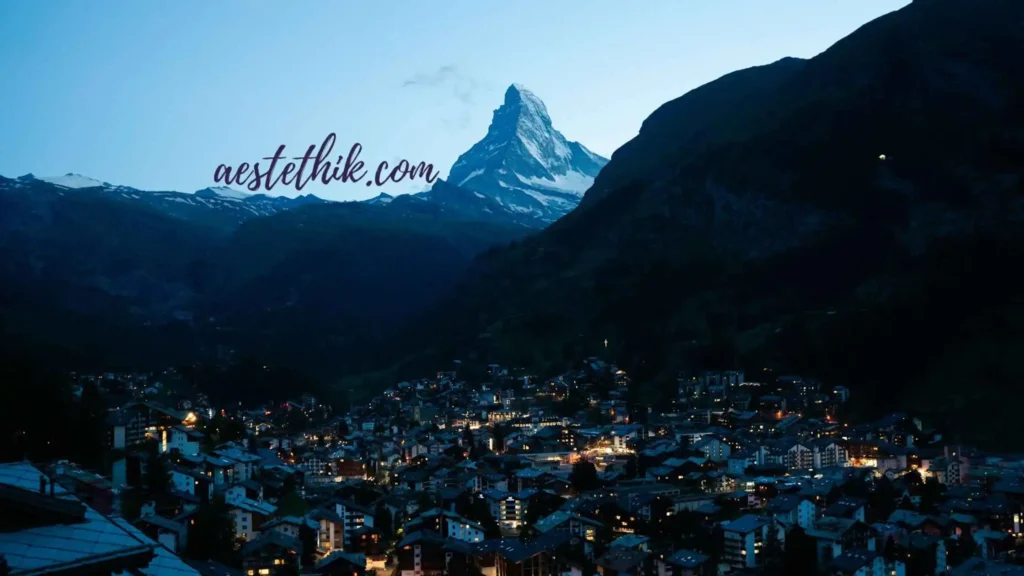
Short answer: Visiting Zermatt in 2026 requires strategic planning around dynamic pricing and new ETIAS visa-waiver authorizations. The most efficient arrival is via SBB rail through Visp. Primary 2026 highlights include the Matterhorn Alpine Crossing, the Gornergrat Railway, and the innovative Augmented Reality sculpture trail.
At a glance | Zermatt Village — The Best 2026 Travel Guide to Zermatt Village, Switzerland
- Location: Valais (Wallis) — historic alpine village beneath the Matterhorn; gateway to the Gornergrat and Klein Matterhorn ski and glacier areas.
- Adventure: World‑class skiing and snow‑sports in winter; summer hiking, glacier walks, mountain biking, mountaineering and scenic rail rides (Gornergrat Railway, Klein Matterhorn/Glacier Paradise).
- Best time: Winter (Dec–Apr) for skiing & snow activities; Summer (Jul–Sep) for high‑alpine hiking and long daylight; shoulder months often quieter but weather is variable.
- Transport: Zermatt is car‑free — park at Täsch (Matterhorn Terminal) and take the frequent Zermatt Shuttle (≈12 min). Regional rail links and the Glacier Express connect at Zermatt; Swiss Travel Pass covers many train options.
- Costs: Expect premium prices — typical daily budgets vary by season and activity (ski passes, mountain‑rail trips and heli‑services add to costs). Plan for higher winter rates and special‑event surcharges on peak dates.
- Must‑dos: Sunrise/sunset Matterhorn views from the village, ride the Gornergrat Railway, visit the Matterhorn Glacier Paradise (Klein Matterhorn), stroll the historic Hinterdorf and taste local alpine cheese at small dairies.
| Budget | CHF 100–160 |
| Mid-range | CHF 160–300 |
| Luxury | CHF 350+ |
The Zermatt Alpine Series
Curating the pinnacle of high-altitude luxury. Discover Zermatt’s most exclusive mountain retreats and unmatched Matterhorn views.
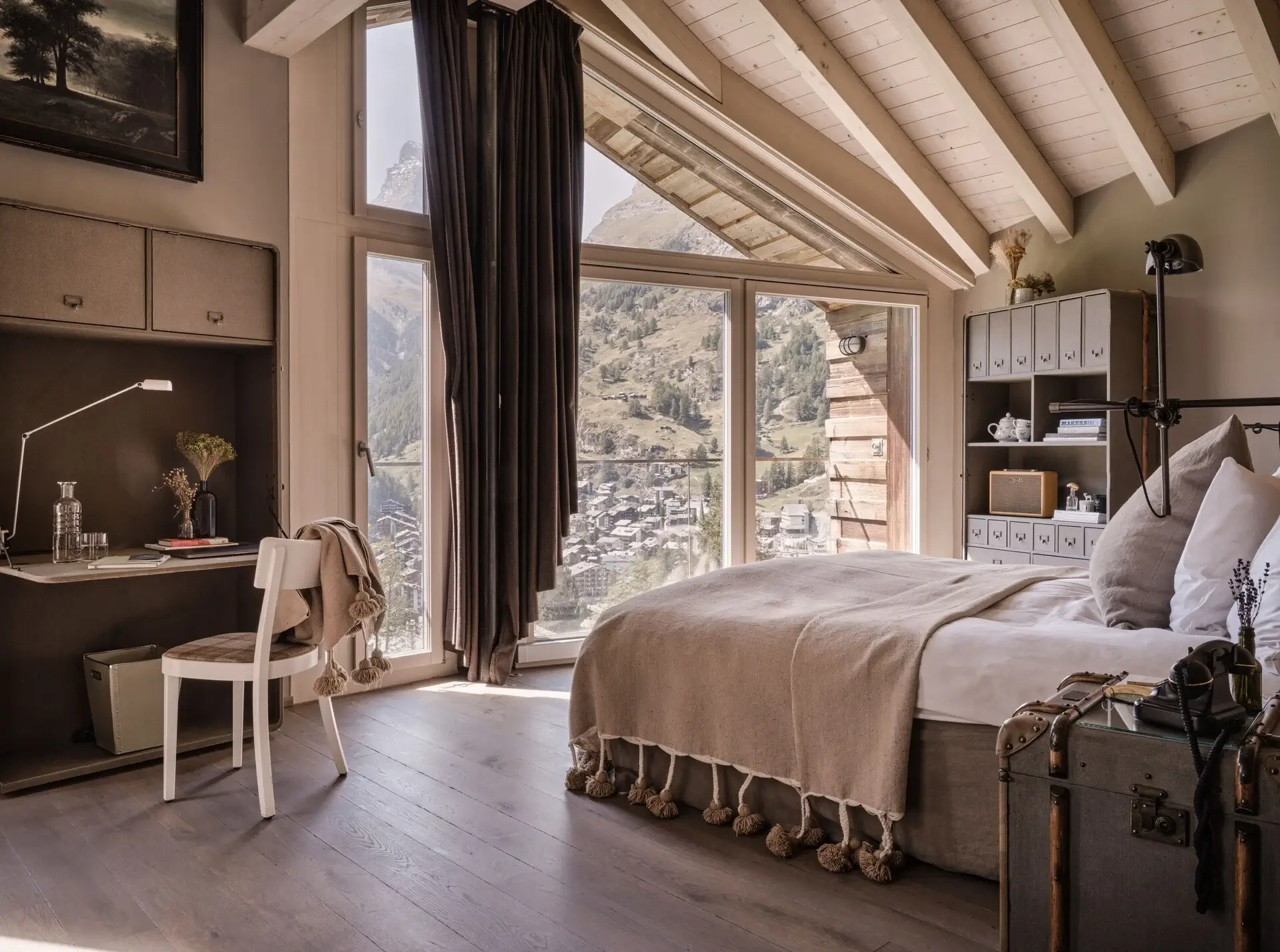
CERVO Mountain Resort
A conscious, modern retreat blending sustainable luxury with ski-in/ski-out access and breathtaking Matterhorn panoramas.
Discover CERVO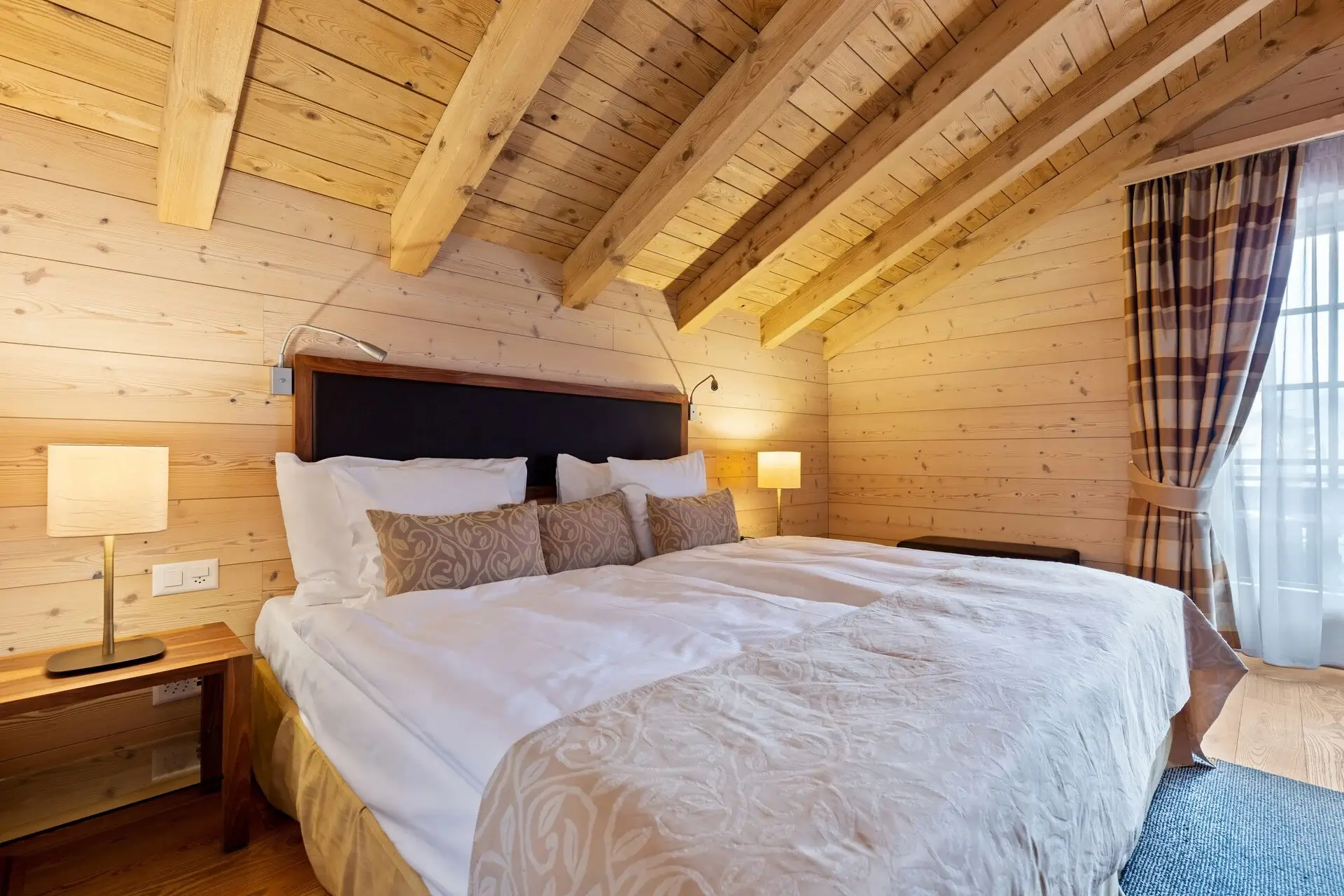
Grand Hotel Zermatterhof
A masterclass in traditional Swiss hospitality. Arrive by horse-drawn carriage to this legendary 19th-century palace.
Step Into History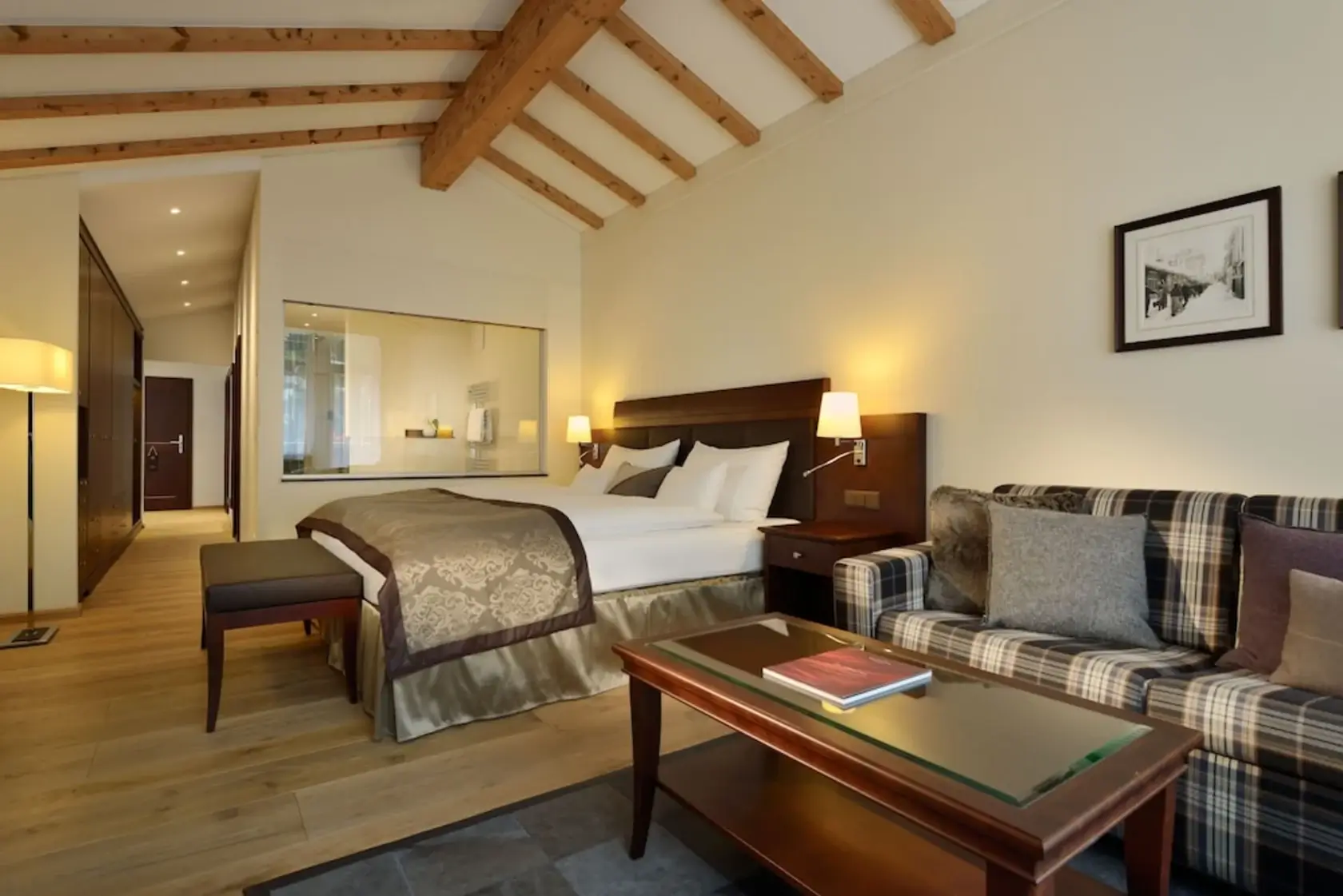
Mont Cervin Palace
A legendary member of the Leading Hotels of the World, delivering timeless Swiss charm and carriage arrivals since 1852.
Reserve the PalaceIs Zermatt still the ultimate luxury destination in 2026? Yes. Zermatt remains the apex of Alpine luxury, defined by its car-free streets and the new Matterhorn Alpine Crossing, which links Switzerland to Italy via the highest cable car in Europe. For the modern traveler, it is a masterclass in intentional design, sustainable governance, and unrivaled mountain ritual.
The Art of the Arrival
You value travel that feels deliberate. In a world of immediate, door-to-door chaos, Zermatt asks you to slow down. The transition begins in Visp, where you board the narrow-gauge Matterhorn Gotthard Railway.
The reality? The journey isn’t a hurdle; it’s the opening act. As the train switchbacks through alpine reliefs, the first reveal of the Matterhorn is a cinematic experience that no private car could ever replicate. For those driving, the shuttle from Täsch is efficient, but the rail approach is where the “aestethik” truly begins.
- Who it’s for: Travelers who find beauty in the journey and scenic rail enthusiasts.
- Who it’s not for: Those unwilling to part with their private chauffeur for the final mile.
Zermatt’s Highest Peaks & Palaces
From the historic heart of the village to the highest hotel in the Swiss Alps, discover unparalleled Matterhorn majesty.
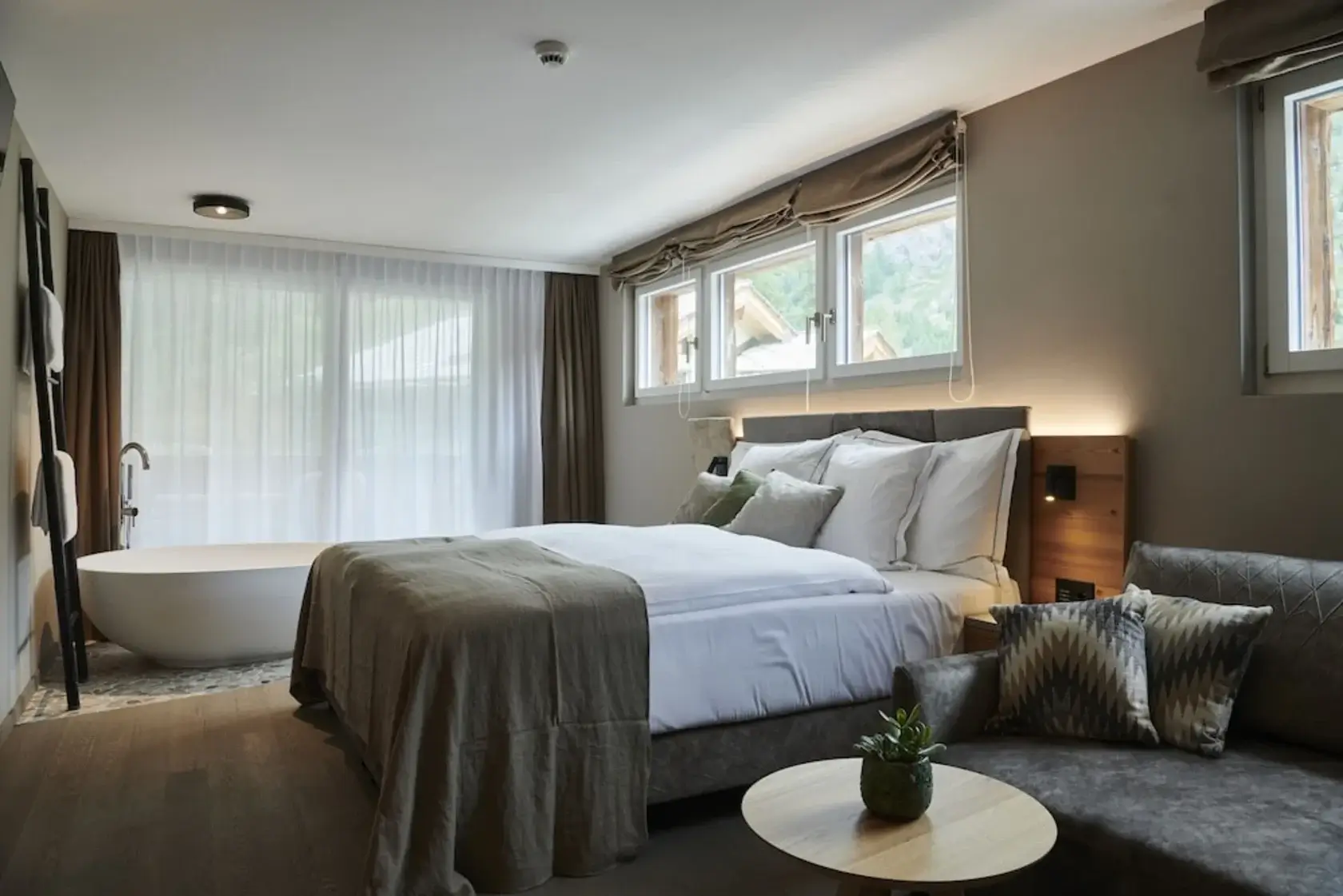
Hotel Matthiol
A secluded boutique gem offering exceptional ski-in/ski-out access, private spa chalets, and a deeply authentic Alpine atmosphere.
Discover Matthiol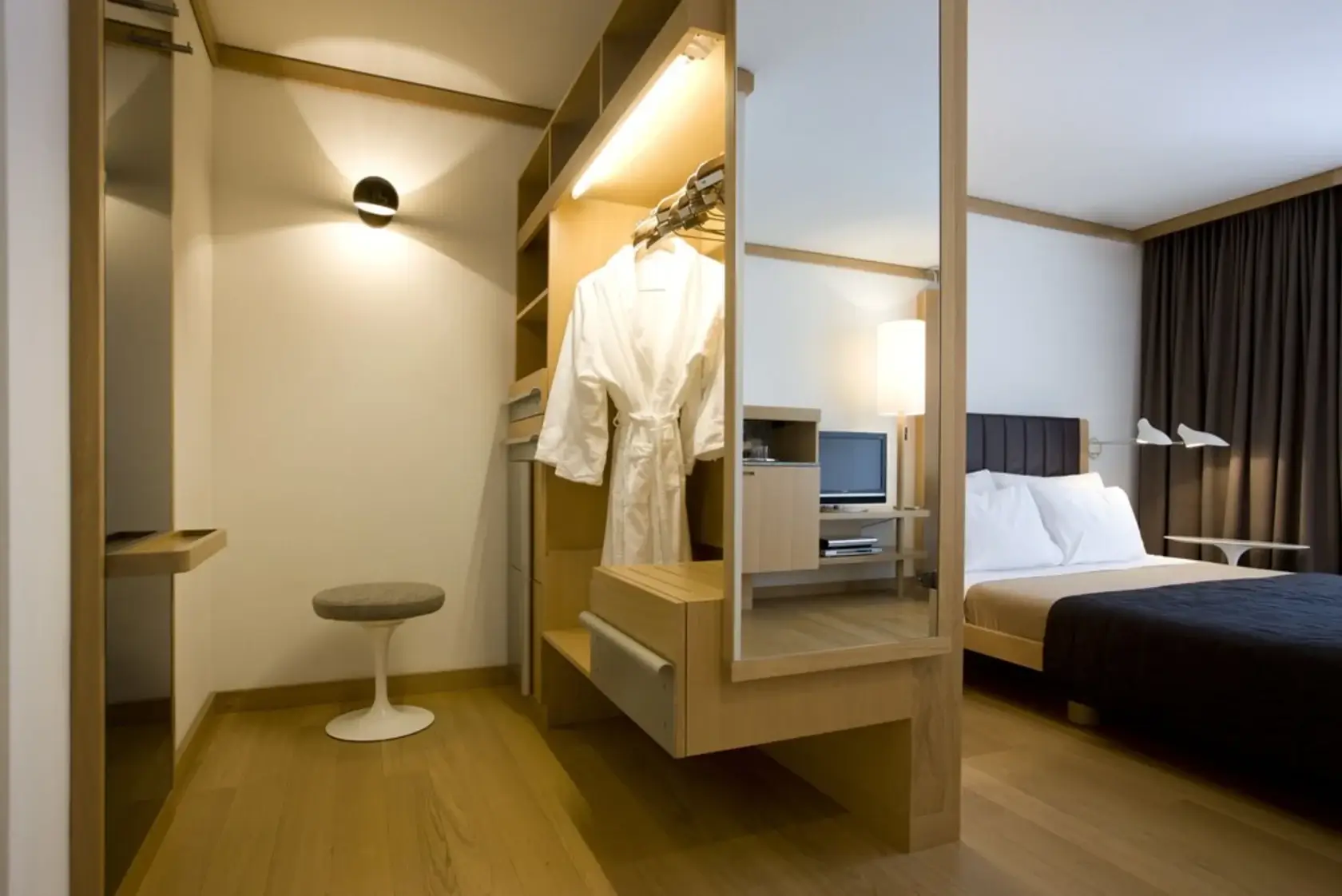
The Omnia
Perched on a rock above Zermatt, this mountain lodge combines American modernism with European craftsmanship for a truly elevated stay.
Explore The Omnia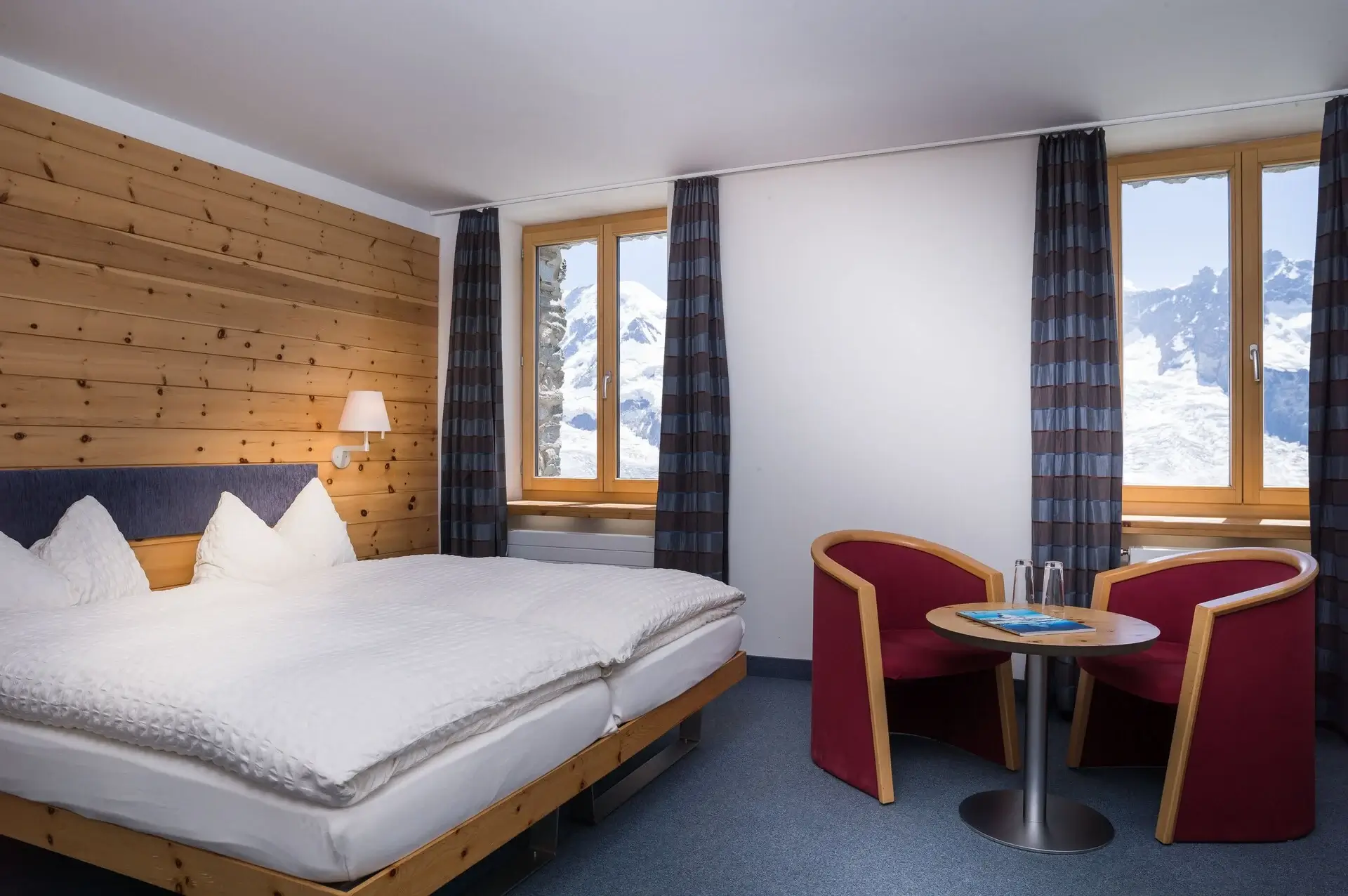
3100 Kulmhotel Gornergrat
Sleep among the stars at 3,100 meters. The highest hotel in the Swiss Alps offers unrivaled astronomical and Matterhorn views.
Book Your StayBook Flight To Nearby Airport
When you travel, your time and comfort are your most valuable assets. That is why we recommend bypassing the hassle and booking your premium flights directly through below widget. Known for its powerful search technology, Kiwi makes securing the perfect, high-end itinerary effortless.
Whether you are flying for a crucial business meeting or a luxury getaway, booking the right flight sets the tone for your entire trip. We always recommend prioritizing direct flights in Business or First Class. Direct routes save you hours of exhausting layovers, while premium cabins offer priority boarding, exclusive lounge access, lie-flat seats, and superior dining. You arrive at your destination refreshed, respected, and ready to go.
Ready to secure your seat? Use the search tool below to find the best premium routes. Here is exactly how to tailor your search for the ultimate travel experience:
Your Step-by-Step Guide to Booking
1. Choose Your Journey Type Start by selecting either a One-way or Return trip at the top of the search box.
2. Upgrade Your Experience (Crucial Step) Click the cabin class dropdown and select Business Class or First Class. Skip the economy section—investing in a premium cabin ensures you get the exceptional service, extra space, and luxurious amenities you deserve from takeoff to touchdown.
3. Add Your Travel Companions Select the number of passengers traveling with you. Ensuring everyone is in the same premium cabin guarantees a cohesive and relaxing trip for your whole party.
4. Select Your Baggage Requirements Choose your checked and cabin baggage. A major perk of flying Business or First Class is that generous baggage allowances are almost always included, so you never have to pack light unless you want to.
5. Choose Currency: Select currency which you prefer for better understanding.
6. Enter Your Departure and Destination Input your home airport and where you are headed. Pro tip: Look for the direct flight options that populate. Direct flights dramatically reduce your travel time and minimize the risk of lost baggage or delays.
7. Search & Secure Your Flight Hit the Search button! This will instantly aggregate the best premium, direct routes available. Choose the schedule that fits your life, and complete your secure booking in just a few clicks.
Start Your Search Now:
The Matterhorn Alpine Crossing: High-Altitude Flux
Since its completion, the Matterhorn Alpine Crossing has redefined the day-trip. You can now glide from Zermatt to Breuil-Cervinia in heated, panoramic 3S cabins that feel more like floating lounges than cable cars.
But here’s the catch: While the 3,400m transit is effortless, the weather is not.
Editor’s Note: Take the Glacier Ride II at first light. When the sun hits the glacier, the cabin’s glass flushes with a luminous, ethereal light. It is, quite simply, the best photography window in the Alps.
- Who it’s for: Gastronomic travelers seeking an Italian lunch with a Swiss return.
- Who it’s not for: Spontaneous hikers who dislike rigid return windows.
Navigating the 2026 Pass Regimes
The Swiss rail landscape saw price adjustments for the 2026 season. If you are planning a multi-city tour, the Swiss Travel Pass Flex remains the standard for convenience. However, for a Zermatt-focused stay, the Peak Pass is the more intentional choice.
| Pass Type | Best For | 2026 Pricing (Indicative) | Primary Benefit |
| Peak Pass | Zermatt-only | CHF 215+ | Unlimited Gornergrat & Glacier Paradise access. |
| Swiss Travel Pass | Multi-city Rail | CHF 254 (3-day) | Seamless transit across the entire SBB network. |
| Alpine Crossing | Italy Day-trips | Variable | Direct high-altitude link to Breuil-Cervinia. |
Where to Stay: The Aestethik Selection
In Zermatt, your hotel choice isn’t just about a bed; it’s about which “version” of the Matterhorn you want to wake up to.
The Omnia
Arriving via a lift shaft carved directly into the rock feels appropriately theatrical. The aesthetic here is “Mountain Modernist”—a hush of timber, glass, and slate.
- The Vibe: Understated, cliff-perched, and deeply private.
- Verdict: Ideal for design-first couples.
Grand Hotel Zermatterhof
This is “Old World” executed with Swiss precision. From the Lipizzan horses that meet you at the station to the scent of crisp, heavy linens, it is a bastion of traditional luxury.
- The Vibe: Classic, palatial, and historically significant.
- Verdict: For those who believe luxury should be timeless.
Book Flights To Zurich
When you travel, your time and comfort are your most valuable assets. That is why we recommend bypassing the hassle and booking your premium flights directly through below widget. Known for its powerful search technology, Kiwi makes securing the perfect, high-end itinerary effortless.
Whether you are flying for a crucial business meeting or a luxury getaway, booking the right flight sets the tone for your entire trip. We always recommend prioritizing direct flights in Business or First Class. Direct routes save you hours of exhausting layovers, while premium cabins offer priority boarding, exclusive lounge access, lie-flat seats, and superior dining. You arrive at your destination refreshed, respected, and ready to go.
Ready to secure your seat? Use the search tool below to find the best premium routes. Here is exactly how to tailor your search for the ultimate travel experience:
Your Step-by-Step Guide to Booking
1. Choose Your Journey Type Start by selecting either a One-way or Return trip at the top of the search box.
2. Upgrade Your Experience (Crucial Step) Click the cabin class dropdown and select Business Class or First Class. Skip the economy section—investing in a premium cabin ensures you get the exceptional service, extra space, and luxurious amenities you deserve from takeoff to touchdown.
3. Add Your Travel Companions Select the number of passengers traveling with you. Ensuring everyone is in the same premium cabin guarantees a cohesive and relaxing trip for your whole party.
4. Select Your Baggage Requirements Choose your checked and cabin baggage. A major perk of flying Business or First Class is that generous baggage allowances are almost always included, so you never have to pack light unless you want to.
5. Choose Currency: Select currency which you prefer for better understanding.
6. Enter Your Departure and Destination Input your home airport and where you are headed. Pro tip: Look for the direct flight options that populate. Direct flights dramatically reduce your travel time and minimize the risk of lost baggage or delays.
7. Search & Secure Your Flight Hit the Search button! Kiwi.com will instantly aggregate the best premium, direct routes available. Choose the schedule that fits your life, and complete your secure booking in just a few clicks.
Start Your Search Now:
The 2026 Logistics Checklist
To ensure your stay remains effortless, keep these three factors in mind:
- ETIAS Authorization: Starting in late 2026, ensure you have your electronic travel authorization approved at least 96 hours before arrival if traveling from a visa-exempt country.
- Dynamic Pricing: Lift tickets now fluctuate based on demand. Book early via the Matterhorn Paradise portal to lock in lower rates.
- Altitude Ritual: Zermatt sits at 1,620m. Spend your first afternoon at village level—enjoy a coffee at Cervo—before ascending to 3,800m the following day.
Recommended Travel Tales
Short reads, itineraries and travel ideas — updated regularly.
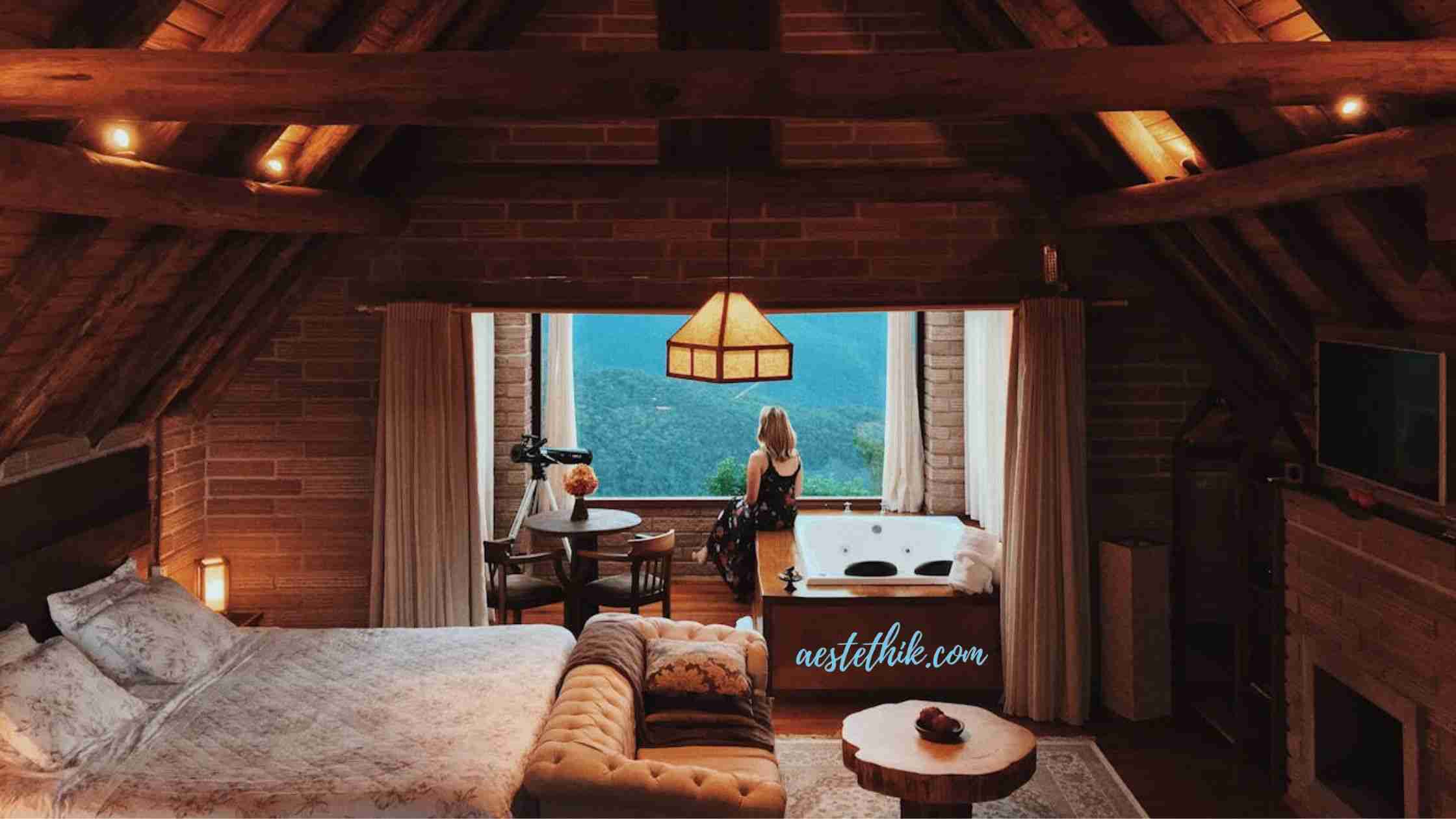
Hotel vs Airbnb — Which Is Better?
An honest comparison of hotels and Airbnb: cost, convenience, location trade-offs, and when each option makes more sense for travellers.
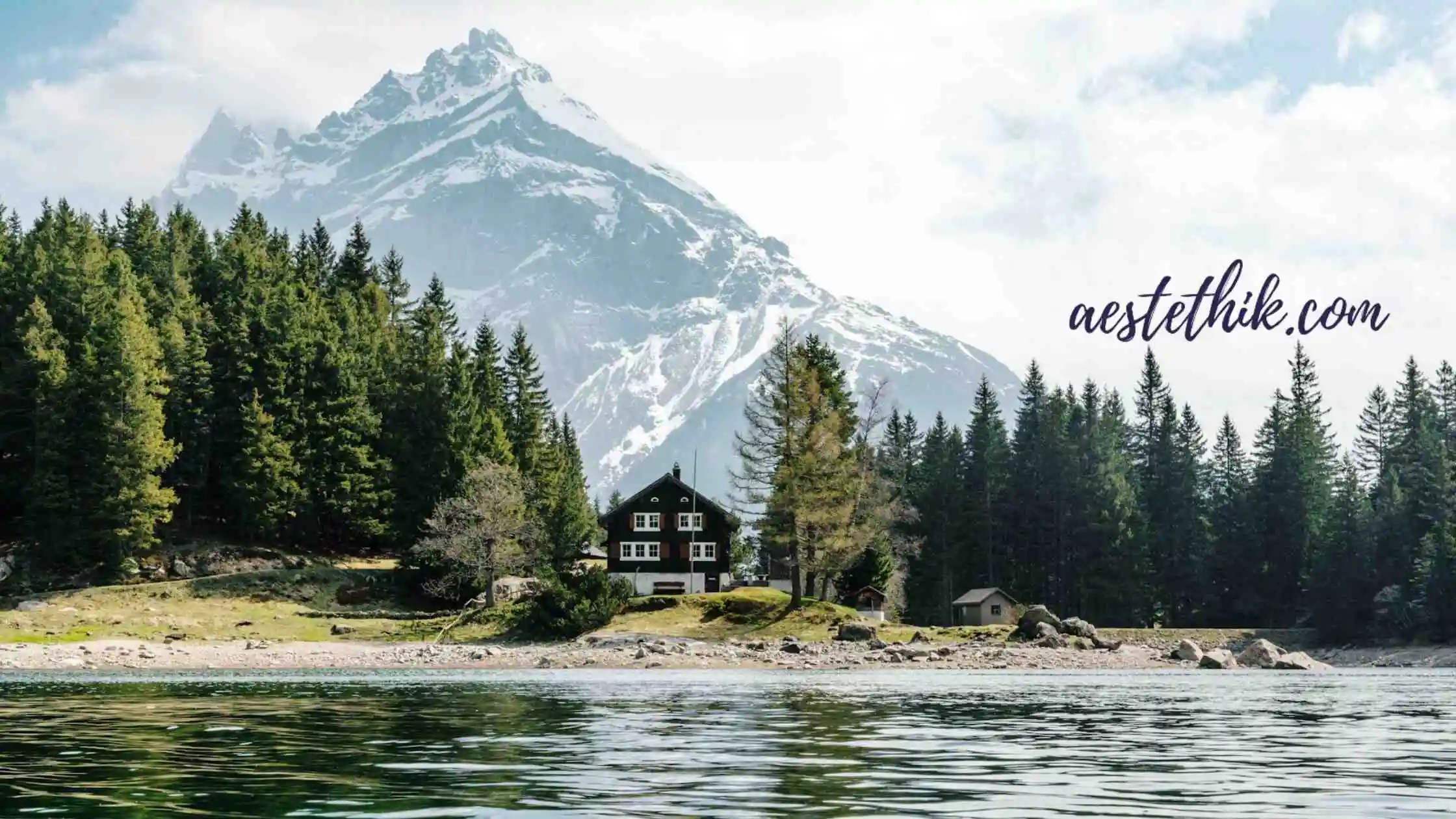
Don’t Miss — The Best Things To Do In Switzerland
Top activities across Switzerland — day trips, city highlights and seasonal experiences to add to your itinerary.
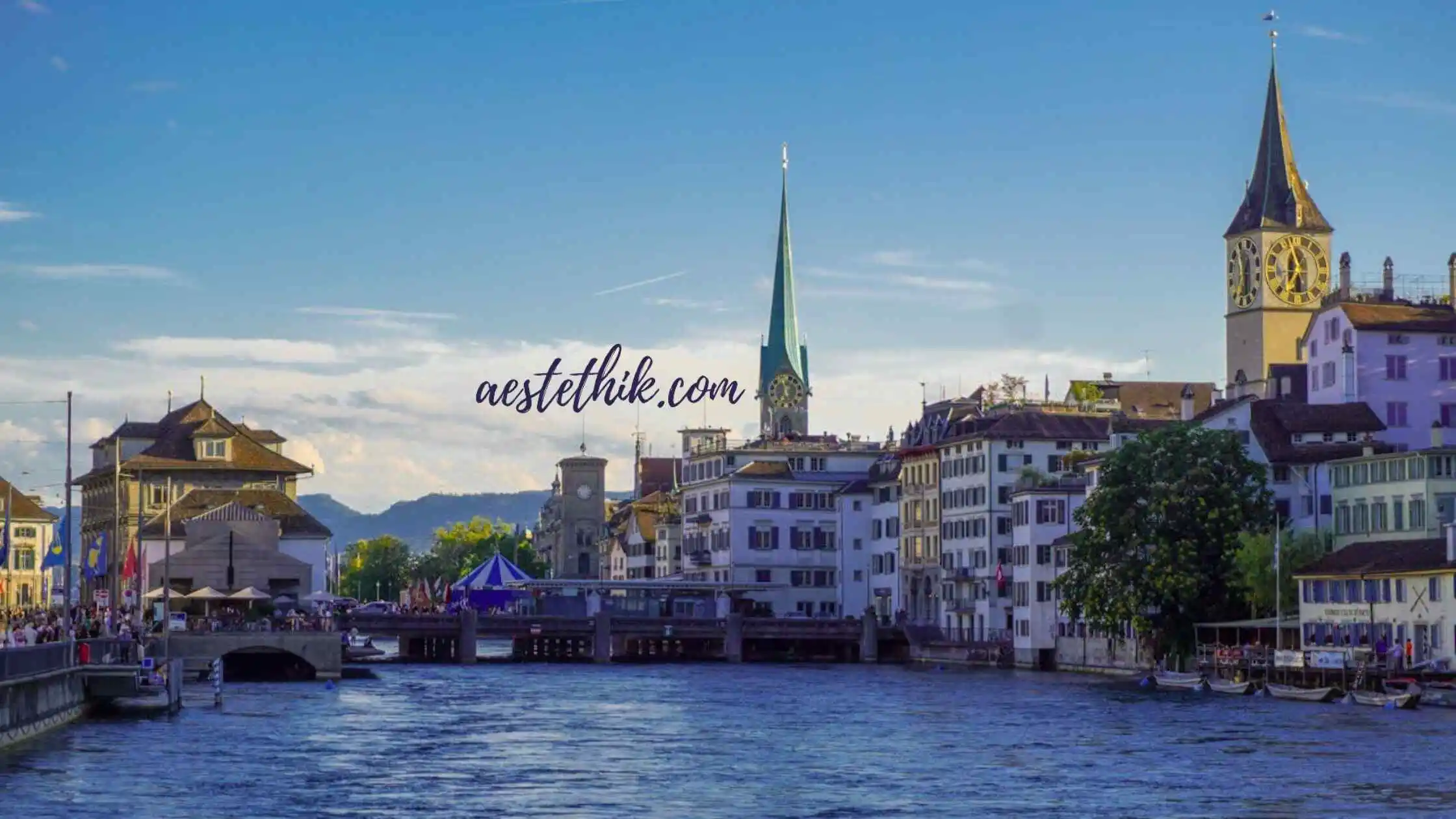
The Best 17 Tourist Places To Visit In Zurich, Switzerland
A compact guide to Zurich’s top attractions — museums, lakeside walks, historic quarters and the must-see viewpoints for first-time visitors.
Frequently Asked Questions | Zermatt Travel FAQs
Practical answers to common visitor questions about planning a trip to Zermatt (2026 updates included).
Can I drive my car directly into Zermatt?
What is the benefit of the Swiss Travel Pass in Zermatt?
Is the Matterhorn Alpine Crossing open to non-skiers?
How do I avoid altitude sickness?
Is tap water drinkable in the village?
Do I need an ETIAS to visit Zermatt in 2026?
Will the Matterhorn Alpine Crossing be open during my visit?
Is there a way to avoid carrying my heavy luggage on the train?
Should I buy an Air Zermatt Rescue Card?
What is the “Floating Sculptures” AR Trail?
How do I get the “Wolli Card” for my kids in 2026?
What are the must-attend events in Zermatt for 2026?
- Horu Trophy (Curling): January 15–18, 2026
- Zermatt Unplugged: April 7–11, 2026
- Gornergrat Zermatt Marathon: July 4, 2026
- Zermatt Folklore Festival: August 9, 2026
- Matterhorn Ultraks (Trail Running): August 21–23, 2026
Does the Swiss Travel Pass cover the Gornergrat Bahn?
What is a realistic daily budget for Zermatt in 2026?
- Budget: CHF 120–150 (hostels, groceries, limited lifts)
- Mid-range: CHF 300–450 (3★ hotel, one major mountain excursion, dinner)
- Luxury: CHF 800+ (5★ hotels, fine dining, private guides)
Can I drink the tap water in Zermatt?
Connect with Aestethik ~ Receive Premium Stories, Tips & Guides for FREE!
Connect with us on LinkedIn, YouTube, Instagram, Facebook and Pinterest. Join now ⟶