
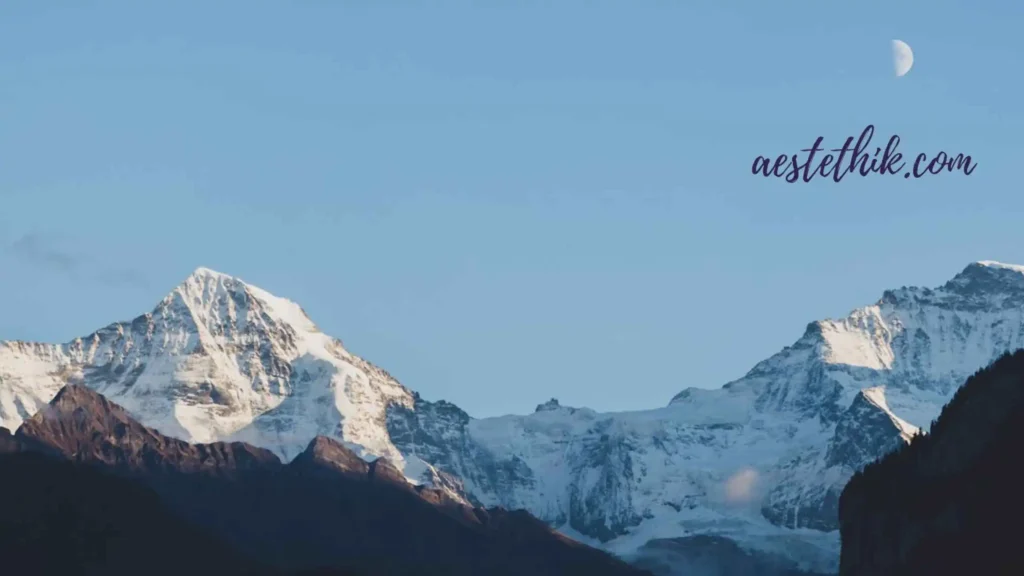
Short Answer: Interlaken is the adventure hub of Switzerland’s Bernese Oberland, nestled between Lakes Thun and Brienz with views of the Eiger, Mönch, and Jungfrau peaks. This lively resort town offers easy access to alpine sights (Jungfraujoch, Schynige Platte) and fun activities (paragliding, boat tours) for all budgets.
At a glance | Interlaken — Quick Guide
- Top season: Summer (June–Aug) for hiking, lakes and adventure sports; Winter (Dec–Feb) for snow sports and festive markets. Shoulder months (spring & autumn) offer lower crowds and blooming waterfalls.
- Key sights: Jungfraujoch (Top of Europe), Harder Kulm viewpoint, Lakes Thun & Brienz, Höhematte park, St. Beatus Caves, Schynige Platte, Giessbach Falls, Unspunnen ruins and the Japanese Garden — plus charming Unterseen and castle spires along Lake Thun.
- Transport tip: Most hotels provide an Interlaken Guest Card (free local buses/trains in the region and discounts). Consider the Jungfrau Travel Pass or Swiss Travel Pass for wider rail access and discounts to mountain excursions.
- Must-do: Catch the Harder Kulm funicular at sunset, take a scenic boat on Lake Brienz or Lake Thun, and book a paragliding or rafting slot early in peak season.
- Money & cost: Interlaken is mid–high range — add mountain-excursion tickets (Jungfraujoch, Schynige Platte) to your budget; card payments are widely accepted.
The Zurich Prestige Series
Curating the pinnacle of Swiss hospitality. Discover Zurich’s most exclusive lakeside retreats and historic architectural sanctuaries.
Residences by Widder
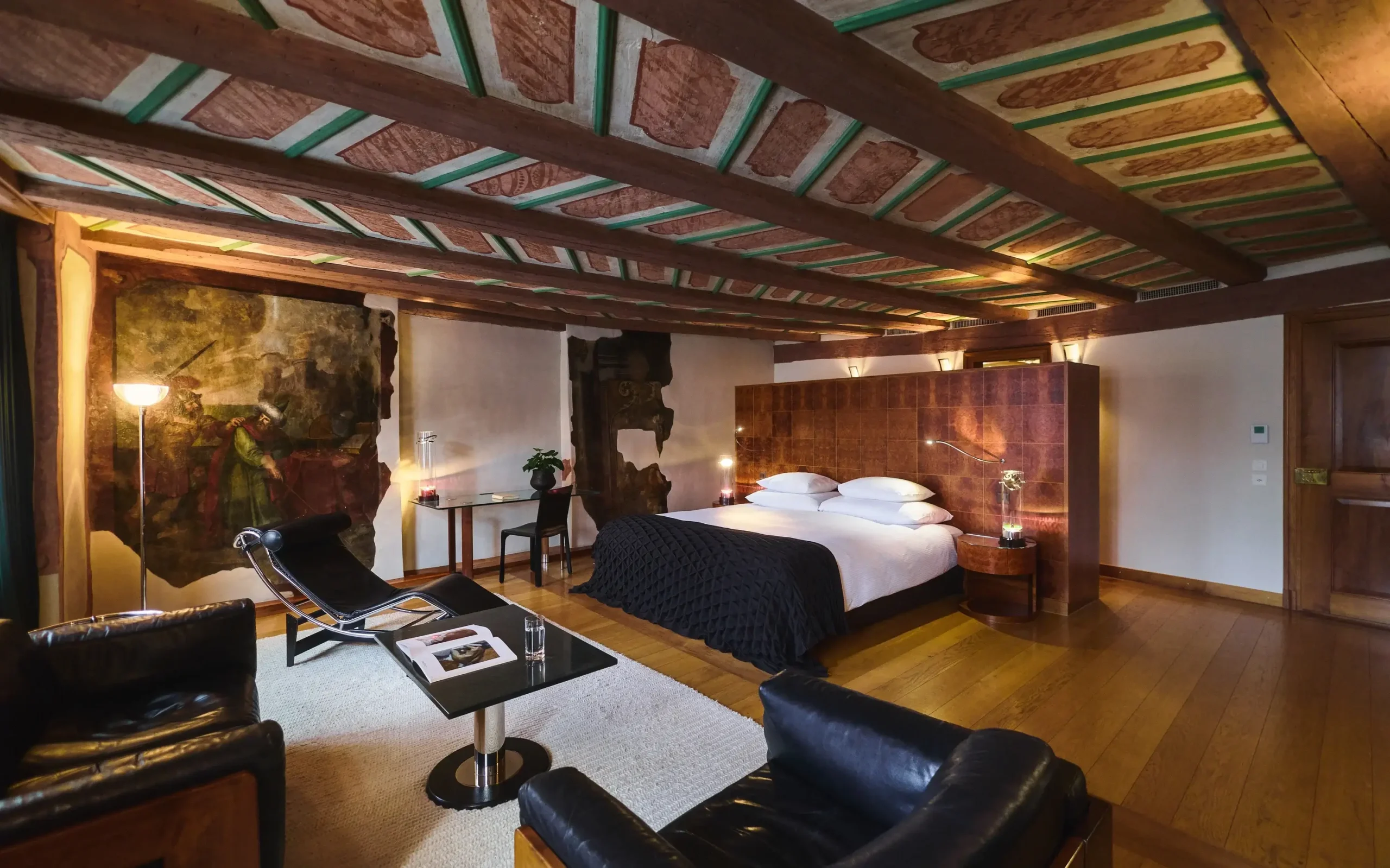
Exclusive, sprawling residences blending medieval architecture with avant-garde design in the heart of Zurich’s Old Town.
Reserve Private Residence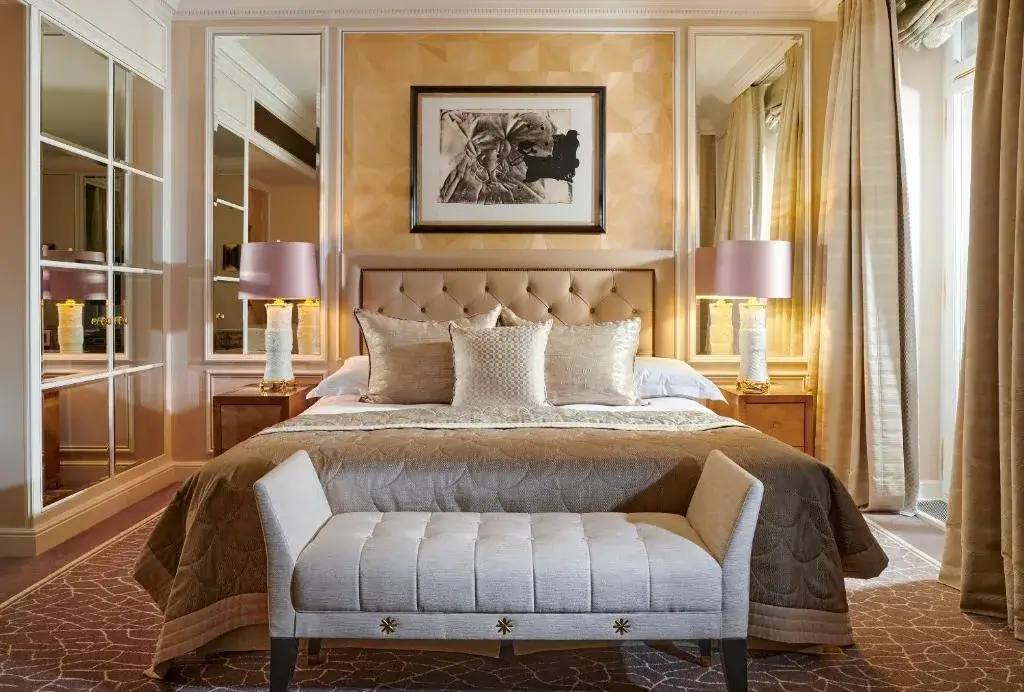
Baur au Lac
An undisputed legend of Swiss hospitality set within its own private park overlooking Lake Zurich and the Alps.
View Exclusive Rates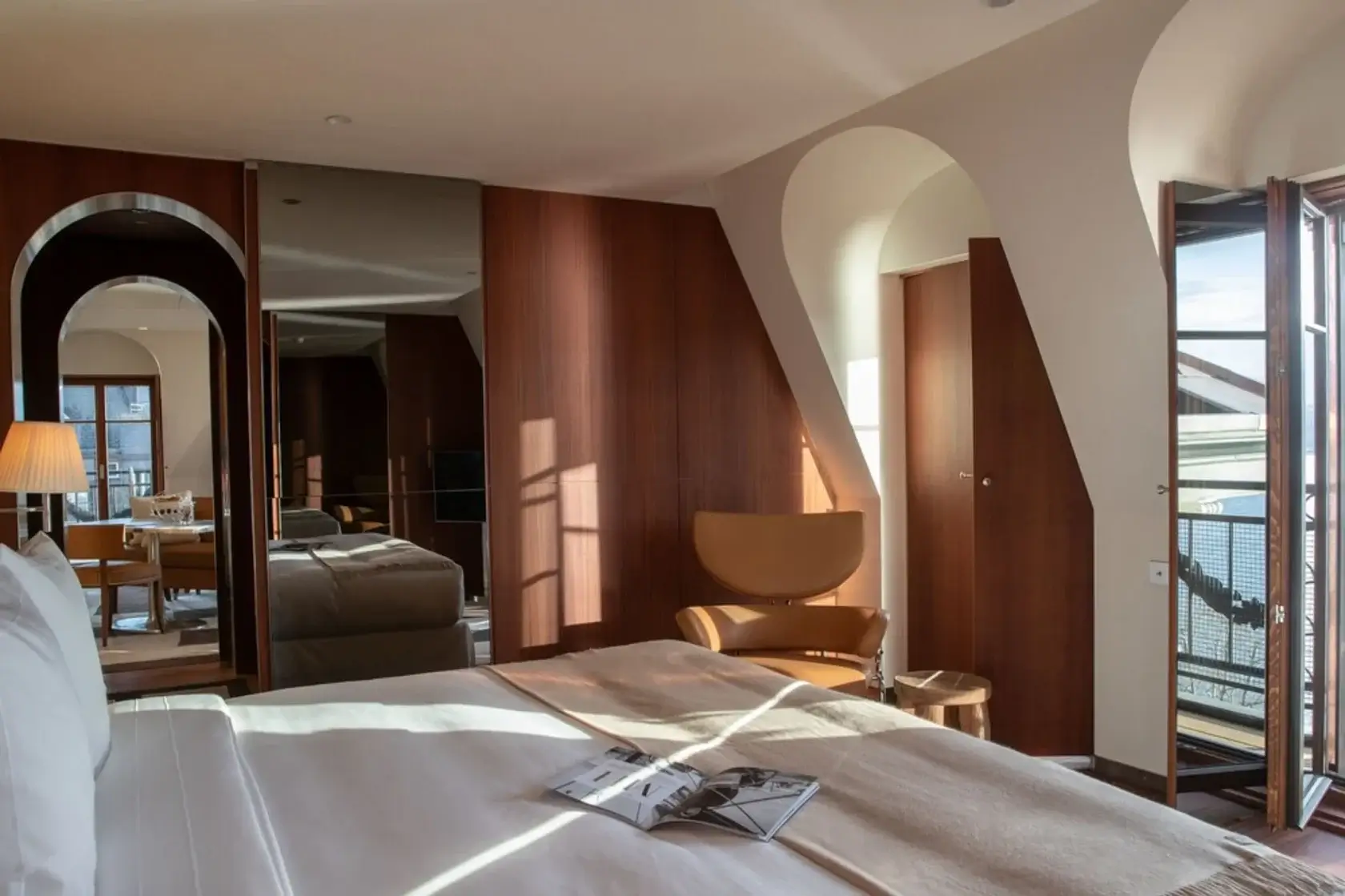
La Réserve Eden au Lac
An imaginative, yacht-club-inspired oasis reimagined by Philippe Starck, offering vibrant elegance on the lakeshore.
Check Availability1. Harder Kulm | Panoramic Alpine View of Interlaken
Harder Kulm (1,322 m) is a short funicular ride from Interlaken to a mountain-top viewpoint known as the “Top of Interlaken”. From the viewing platform and panorama restaurant you can gaze across Lake Thun and Lake Brienz to the snow-capped trio Eiger, Mönch, and Jungfrau. Its modern viewpoint features a “Two-Lake Bridge” and a skywalk for photo ops. The funicular (Harderbahn) runs frequently, making this a must-do in Interlaken with minimal effort.
2. Höhematte Park | Historic Town Meadow & Paraglider Landing in Interlaken
Höhematte Park lies at the heart of Interlaken on the Höheweg promenade. This expansive meadow was once a monastery garden and now is a community park lined by Victorian hotels. The park’s 35 acres of lawns and flowerbeds provide unobstructed views of Jungfrau and a front-row seat to paragliders landing from the sky. In summer it hosts outdoor concerts and festivals; in winter it becomes an ice-skating rink for the holiday markets. Bring a picnic or a blanket, and watch colorful paragliders float down to land in the park.
3. Jungfraujoch | Top of Europe Alpine Plateau, Interlaken
The Jungfraujoch (“Top of Europe”) is Europe’s highest railway station (3,454 m) and a highlight of any Interlaken visit. From Interlaken Ost, take the scenic trains (via Grindelwald or Lauterbrunnen) up to Kleine Scheidegg and onward to Jungfraujoch. Here, an ice palace, sky-high observatory (Sphinx), and panoramic glacier terrace await. Breathtaking 360° views range from the Swiss Plateau towards France to the massive Aletsch Glacier. It’s a once-in-a-lifetime snow-and-peak experience, open year-round.
The Geneva Gold Standard
From the historic banks of Lake Geneva to ultra-private wellness sanctuaries, experience the pinnacle of Swiss hospitality.
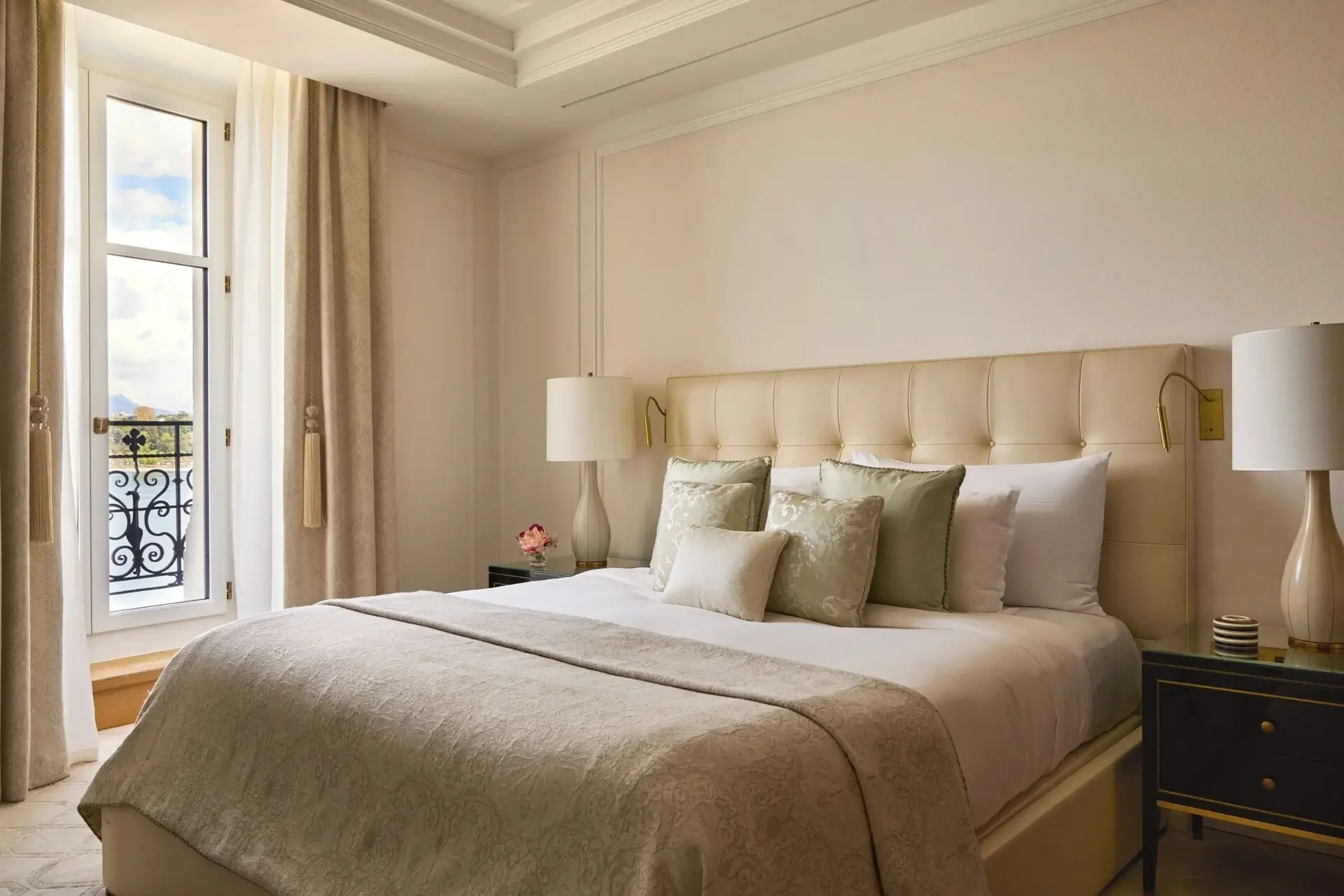
The Woodward
Geneva’s first all-suite hotel. A lakeside masterpiece featuring Michelin-starred dining and world-class Guerlain spa facilities.
Reserve Your Suite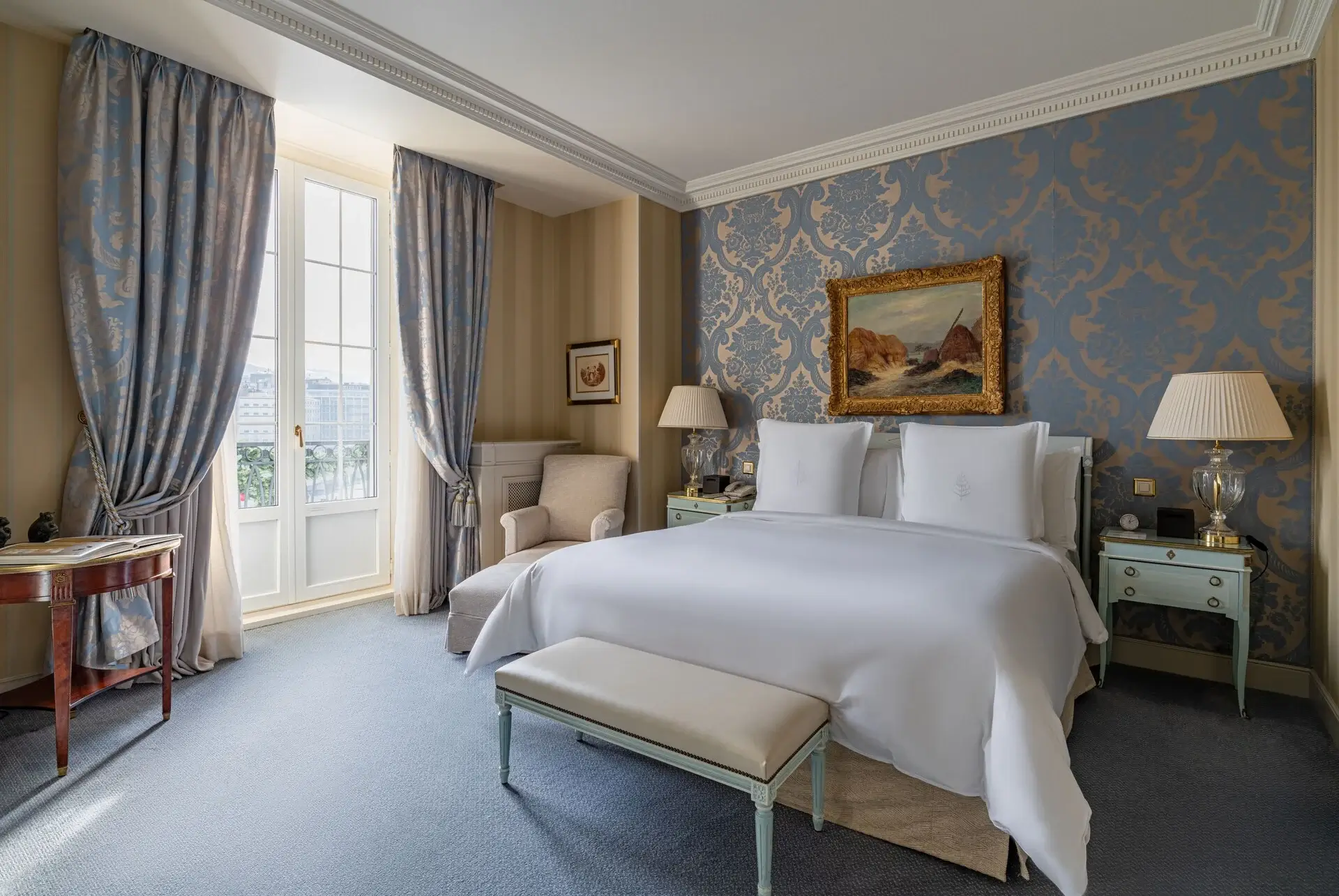
Four Seasons des Bergues
The oldest grand hotel in Geneva, blending historic elegance with panoramic views of the Jet d’Eau and the Alps.
Unlock Rates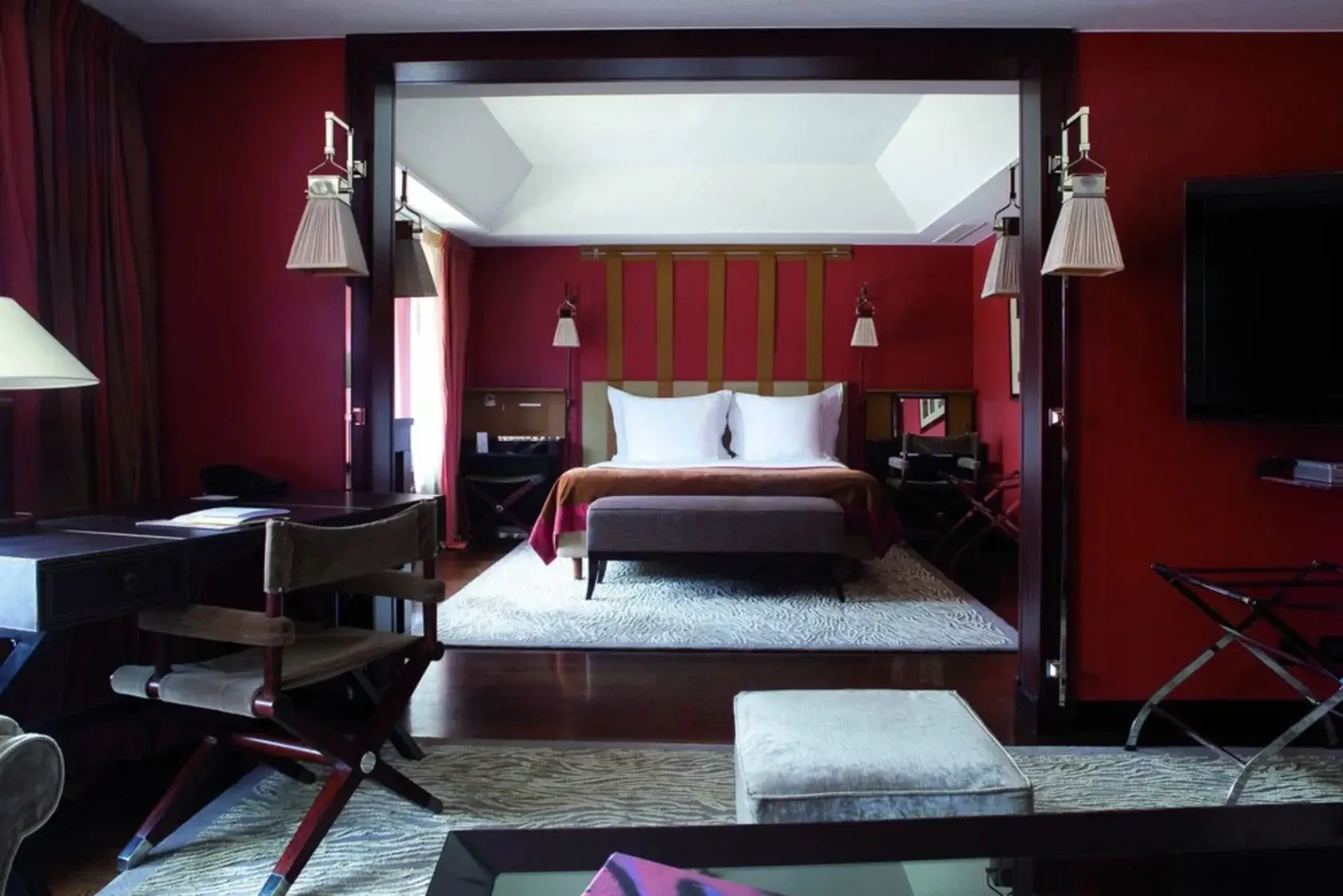
La Réserve Genève
Set within a private 10-acre park, this lakeside resort is a haven for wellness, featuring the renowned Nescens Spa.
Check Availability4. St. Beatus Caves | Waterfalls & Caverns by Lake Thun, Interlaken
About 3 km northwest of Interlaken on Lake Thun, the St. Beatus Caves (St. Beatus-Höhlen) are a dramatic limestone cavern system with illuminated tunnels, underground waterfalls, and a small museum. A tour winds through stalagmites and chambers with storyboards. Above the entrance is a viewing platform that looks out to the lake. According to legend, Saint Beatus battled a dragon here, which adds a mystical twist to the hike. The caves are reached by boat from Interlaken Ost or by bus/car plus a short climb.
5. Lake Brienz | Crystal Blue Alpine Lake & Boat Cruises
Lake Brienz (Brienzersee) lies east of Interlaken at 564 m elevation. Its turquoise waters and steep wooded shores create a stunning alpine lake setting. Take a relaxing paddle steamer cruise or kayak across Brienz for scenic views of Giessbach Falls (to the south) and the picture-postcard village of Brienz at the western end. Activities on Lake Brienz include boat tours (shipping company BLS runs daily boats) and lakeside walks. In summer, you can swim or try the unique floating hot tub boats on Brienz. In any case, Lake Brienz’s color and backdrop of summits make it an Interlaken highlight.
6. Lake Thun, Interlaken | Vast Lake, Castles & Boat Excursions
Lake Thun (Thunersee) stretches west of Interlaken. It’s slightly larger (558 m elevation) and dotted with historic castles on the northern shore (Oberhofen, Spiez, Thun castle). Boat trips depart Interlaken Ost year-round, offering about 1.5–2 hour cruises along the lake. Passengers can spot the remains of medieval Unterseen Castle in the marshlands or relax on deck with mountain views. In summer, enjoy lakeside swimming or water sports on Thun. Combined, the twin lakes shape Interlaken (“between lakes”), so don’t miss exploring Lake Thun’s calm blue expanses as part of your visit.
The Zermatt Alpine Series
Curating the pinnacle of high-altitude luxury. Discover Zermatt’s most exclusive mountain retreats and unmatched Matterhorn views.
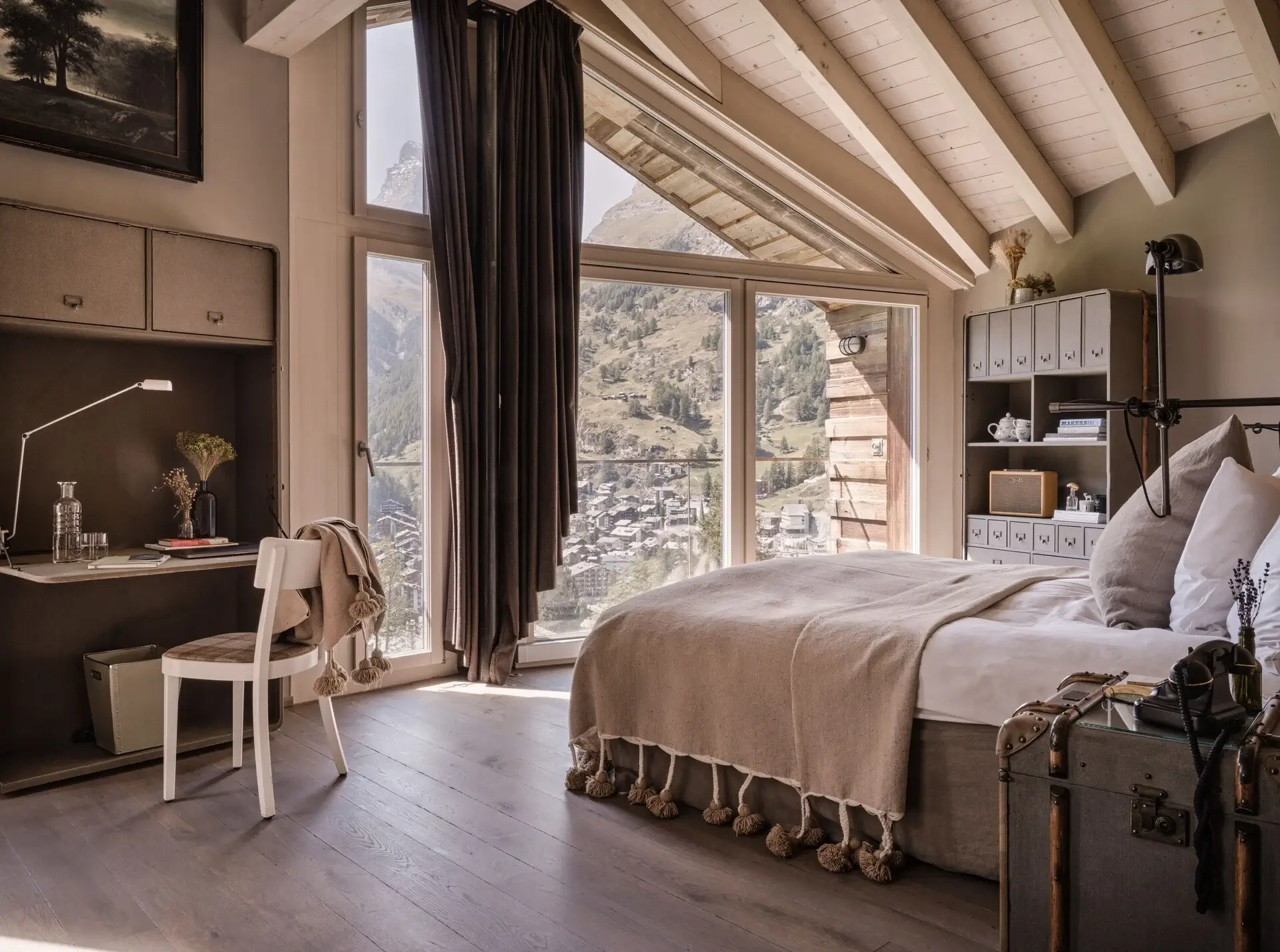
CERVO Mountain Resort
A conscious, modern retreat blending sustainable luxury with ski-in/ski-out access and breathtaking Matterhorn panoramas.
Discover CERVO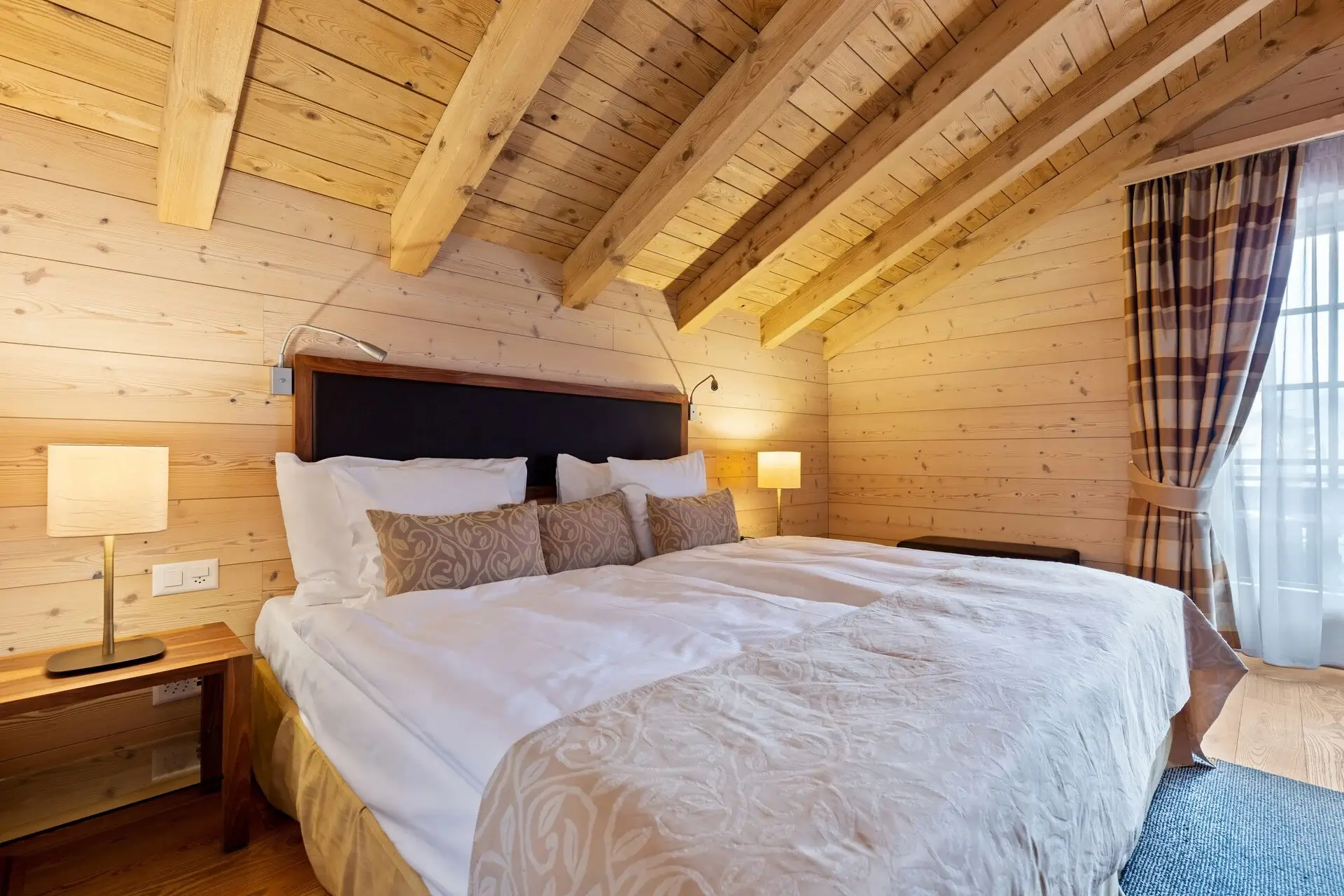
Grand Hotel Zermatterhof
A masterclass in traditional Swiss hospitality. Arrive by horse-drawn carriage to this legendary 19th-century palace.
Step Into History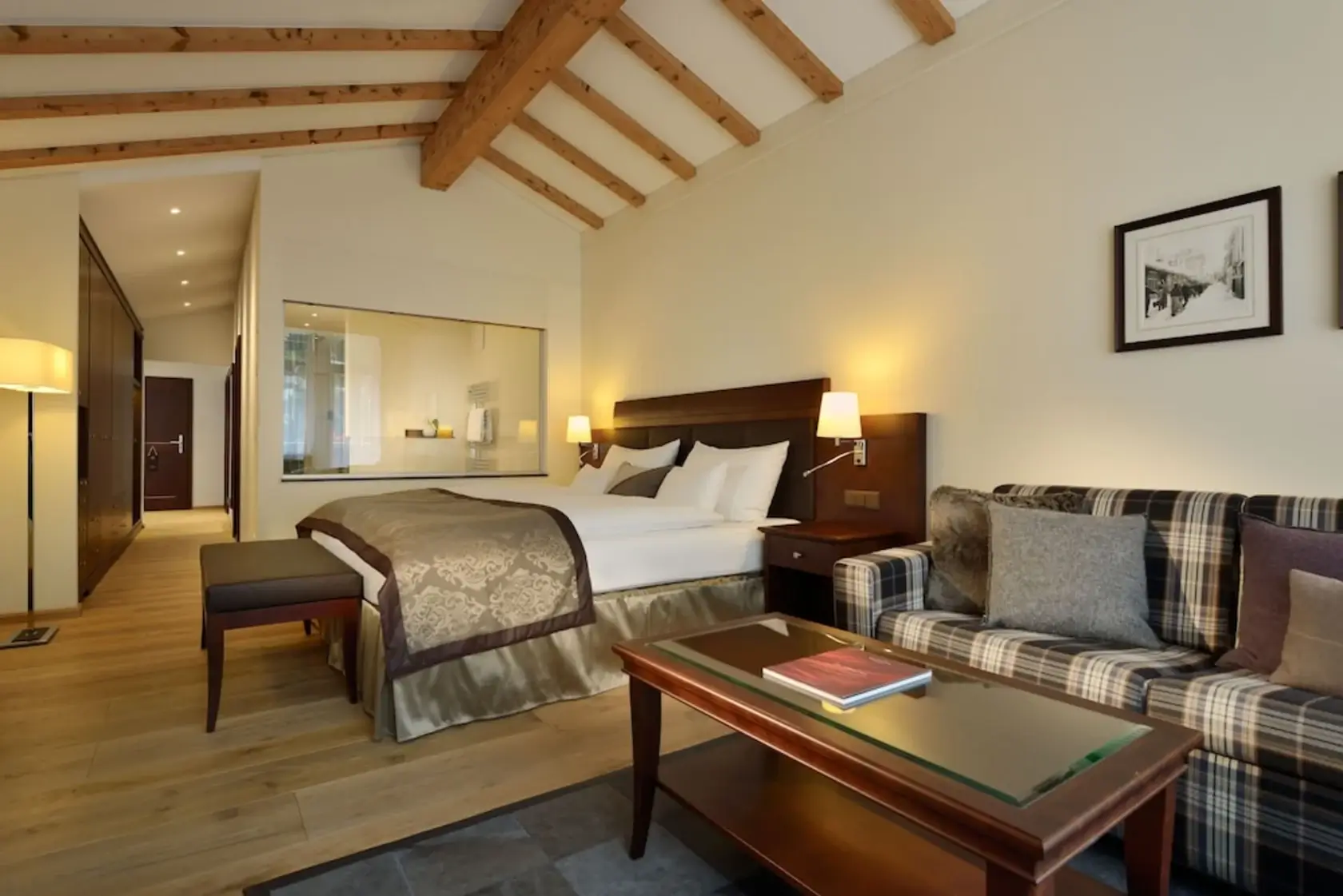
Mont Cervin Palace
A legendary member of the Leading Hotels of the World, delivering timeless Swiss charm and carriage arrivals since 1852.
Reserve the PalaceBook Flight To Nearby Airport
When you travel, your time and comfort are your most valuable assets. That is why we recommend bypassing the hassle and booking your premium flights directly through below widget. Known for its powerful search technology, Kiwi makes securing the perfect, high-end itinerary effortless.
Whether you are flying for a crucial business meeting or a luxury getaway, booking the right flight sets the tone for your entire trip. We always recommend prioritizing direct flights in Business or First Class. Direct routes save you hours of exhausting layovers, while premium cabins offer priority boarding, exclusive lounge access, lie-flat seats, and superior dining. You arrive at your destination refreshed, respected, and ready to go.
Ready to secure your seat? Use the search tool below to find the best premium routes. Here is exactly how to tailor your search for the ultimate travel experience:
Your Step-by-Step Guide to Booking
1. Choose Your Journey Type Start by selecting either a One-way or Return trip at the top of the search box.
2. Upgrade Your Experience (Crucial Step) Click the cabin class dropdown and select Business Class or First Class. Skip the economy section—investing in a premium cabin ensures you get the exceptional service, extra space, and luxurious amenities you deserve from takeoff to touchdown.
3. Add Your Travel Companions Select the number of passengers traveling with you. Ensuring everyone is in the same premium cabin guarantees a cohesive and relaxing trip for your whole party.
4. Select Your Baggage Requirements Choose your checked and cabin baggage. A major perk of flying Business or First Class is that generous baggage allowances are almost always included, so you never have to pack light unless you want to.
5. Choose Currency: Select currency which you prefer for better understanding.
6. Enter Your Departure and Destination Input your home airport and where you are headed. Pro tip: Look for the direct flight options that populate. Direct flights dramatically reduce your travel time and minimize the risk of lost baggage or delays.
7. Search & Secure Your Flight Hit the Search button! This will instantly aggregate the best premium, direct routes available. Choose the schedule that fits your life, and complete your secure booking in just a few clicks.
Start Your Search Now:
7. Giessbach Falls | Majestic Cascade on Lake Brienz, Interlaken
Giessbach Falls is a spectacular 14-tier waterfall plunging into Lake Brienz near Brienz village. A historic funicular railway (one of Europe’s oldest tourist funiculars) carries visitors from the lakeside up to the Grandhotel Giessbach at the falls’ top. Several hiking paths circle the falls; one trail passes directly behind a cascade for dramatic views. In spring and summer the falls are at full roar, and the fairytale-tiered cascade framed by emerald woods is unforgettable. You can reach the falls by taking the BLS boat from Interlaken Ost to Giessbach landing (a scenic 70 min ride) and then funicular or hike up.
8. Schynige Platte | Alpine Garden & Classic Mountain Railway
Schynige Platte is an alpine ridge (1,967 m) south of Interlaken, famous for its botanical garden and panoramic views. A vintage cogwheel train from Wilderswil (near Interlaken) climbs steeply through forests to this mountain plateau. At the top awaits the Botanischer Alpengarten, home to over 600 alpine plant species and colorful blooms in summer. Wooden boardwalks circle the garden with interpretive signs. From Schynige Platte there are sweeping vistas of Eiger, Mönch, Jungfrau and the two lakes below. Hiking trails radiate out (including a classic trek toward First and Faulhorn). The fairy-tale train journey and mountain scenery make Schynige Platte a top Interlaken day trip.
9. Adventure Sports | Paragliding, Rafting & More
Interlaken is known as Switzerland’s adventure capital. In summer, thrill-seekers flock here to go paragliding tandem from the surrounding peaks, offering bird’s-eye views of the lakes and town. You can also find whitewater activities on nearby rivers (rafting, canyoning, kayaking), bungee jumping (at the nearby Stockhorn), canyon swings, and skydiving. In winter, Interlaken provides access to skiing and snowboarding in the Jungfrau region. The combination of accessible high peaks and rivers makes Interlaken paradise for outdoor sports. Even non-extreme visitors enjoy scenic hiking or summer bob-sled rides (First Flyer in Grindelwald, a short ride away).
10. Japanese Garden | Interlaken’s Garden of Friendship
Tucked near the Interlaken Monastery and castle, the Japanese Garden is a peaceful micro-park created in 1995. Designed as the “Garden of Friendship,” it was a gift from Interlaken’s twin city Ōtsu, Japan. The tranquil garden features a small pond with koi, a traditional pavilion, and stone arrangements symbolizing lakes and waterfalls. Even in the bustling town center, this oriental oasis provides a scenic stroll and photo opportunity. It reflects Japanese landscape elements set against the Swiss mountain backdrop. The garden is free to enter and especially lovely in spring when the pond and maple trees bloom.
11. Unspunnen Ruins | Medieval Castle Overlooking the Valley
Just outside Interlaken above Wilderswil stands the ruins of Unspunnen Castle. Dating from the early 13th century, these stone ramparts and a round keep overlook Interlaken and the Lütschine Valley. The site is famous for hosting the first traditional Unspunnenfest (stone-throwing festival) in 1805. Today hikers can scramble up to the ruin for a taste of Alpine history and a panoramic view of the Jungfrau massif and Wilderswil. Information panels explain the castle’s history, and the hike is a rewarding short excursion for history buffs and photographers.
12. Weissenau Nature Reserve | Lakeside Wildlife Sanctuary
On the north shore of Lake Thun between Interlaken and Thun lies Weissenau Nature Reserve. This protected area features marshy wetlands, walking trails, a wild sandy lake beach, and even the ruins of an old Weissenau Castle. It’s a peaceful spot for birdwatching, strolling on wooden bridges over reed beds, and free public swimming in the lake. Many visitors enjoy spotting the “rubber ducks” of Interlaken’s annual Duck Race along this nature path. The reserve is easily reached by a short bus ride or bike ride from Interlaken. Its quiet lakeside ambiance and marshland habitat make it one of the lesser-known, family-friendly green spots in the Interlaken area.
13. Höheweg Promenade & Old Town | Shopping & Alpine Views
Interlaken’s main street, the Höheweg, runs from the town’s two railway stations. Lined with cafés, Swiss-chalet shops, and grand hotels, it’s ideal for a leisurely stroll. Along the way, green lawns (Höhematte) allow views of the Jungfrau, and open-air markets or music events often appear. The town’s small Old Town and Unterseen quarter have charming streets with boutiques and local eateries. While not a single “place,” a walk through Interlaken’s center gives a sense of local life – from chocolate shops to the tourist offices and the Chinese Friendship Garden opposite the Grand Hotel. Don’t miss stopping for a photo with the Jungfrau panorama behind you.
14. Adventure Park & Heimwehfluh | Family Fun and Panoramic Tower
For family-friendly fun, the historic Heimwehfluh funicular takes visitors up to a small hilltop park. A 1900s cable car (Heimwehfluhbahn) climbs to a lookout tower with views of Interlaken and both lakes. The area has playgrounds, a miniature railway, and a toboggan run. It’s a retro-charming stop for kids and sightseers seeking a view without climbing. (Fun fact: “Heimwehfluh” means “homesickness hill”, with a legend about homesick brides.) Though it’s not as famous as the big mountains, it remains a beloved local attraction.
15. Coffee, Chocolate & Casinos | Local Treats and Nightlife
After outdoor adventures, Interlaken has local attractions to round out a trip. Try Swiss chocolates and Rösti at traditional cafes, or test your luck at Casino Interlaken. The casino (near Casino Kursaal) offers slot machines and tables, housed in a Belle Époque building – a fun diversion for adults. Cultural points include the small Swiss Toy Museum (Spielzeugmuseum) or the stately Victoria-Jungfrau Grand Hotel (historical hotel tours). In winter, Interlaken’s Christmas market and “Touch the Mountains” concert on New Year’s draw crowds. Though not a natural “sight,” sampling local cuisine and nightlife (culinary tours, fondue restaurants) adds flavor to any visit.
Recommended Travel Tales
Short reads, itineraries and travel ideas — updated regularly.
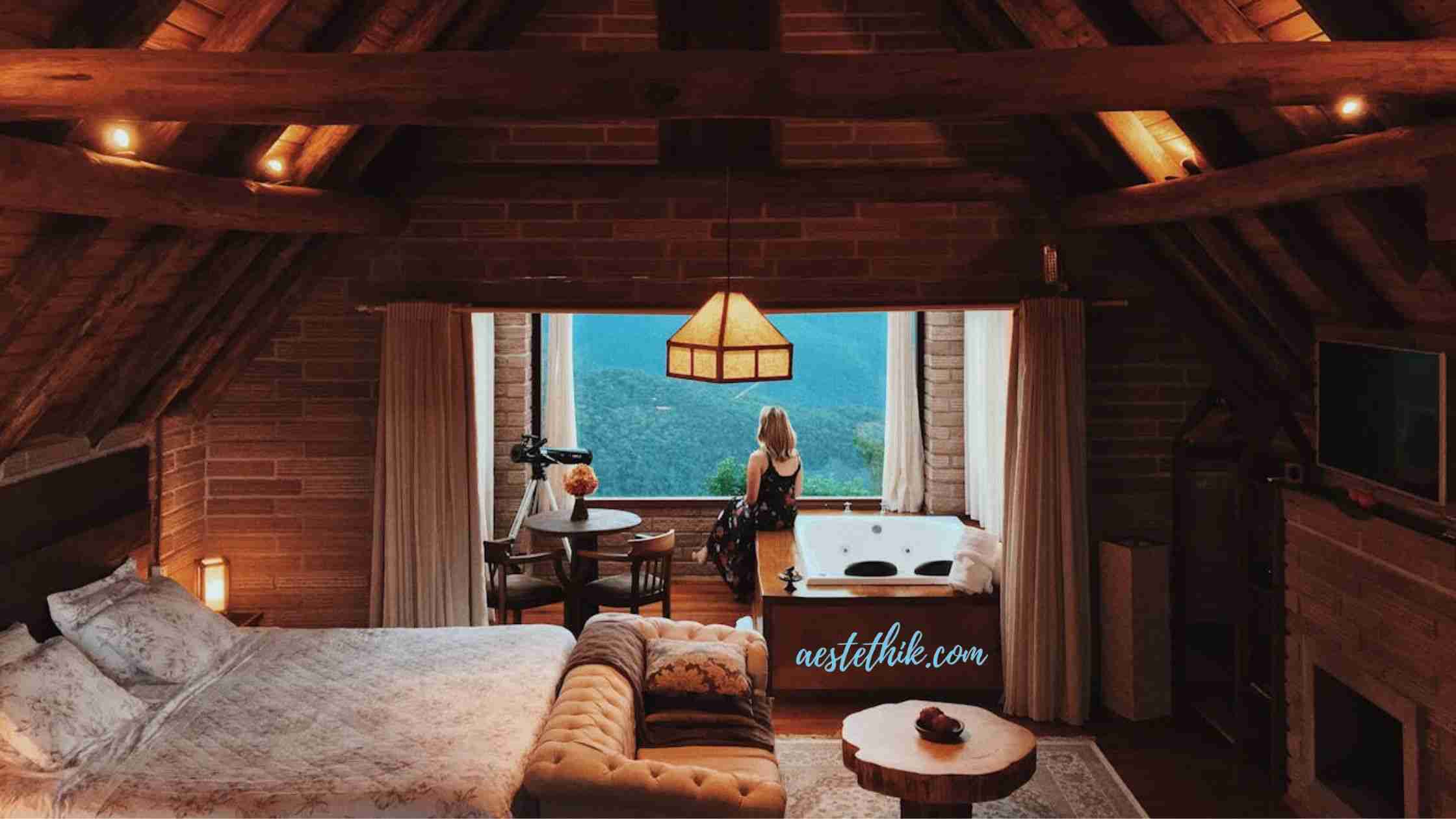
Hotel vs Airbnb — Which Is Better?
An honest comparison of hotels and Airbnb: cost, convenience, location trade-offs, and when each option makes more sense for travellers.
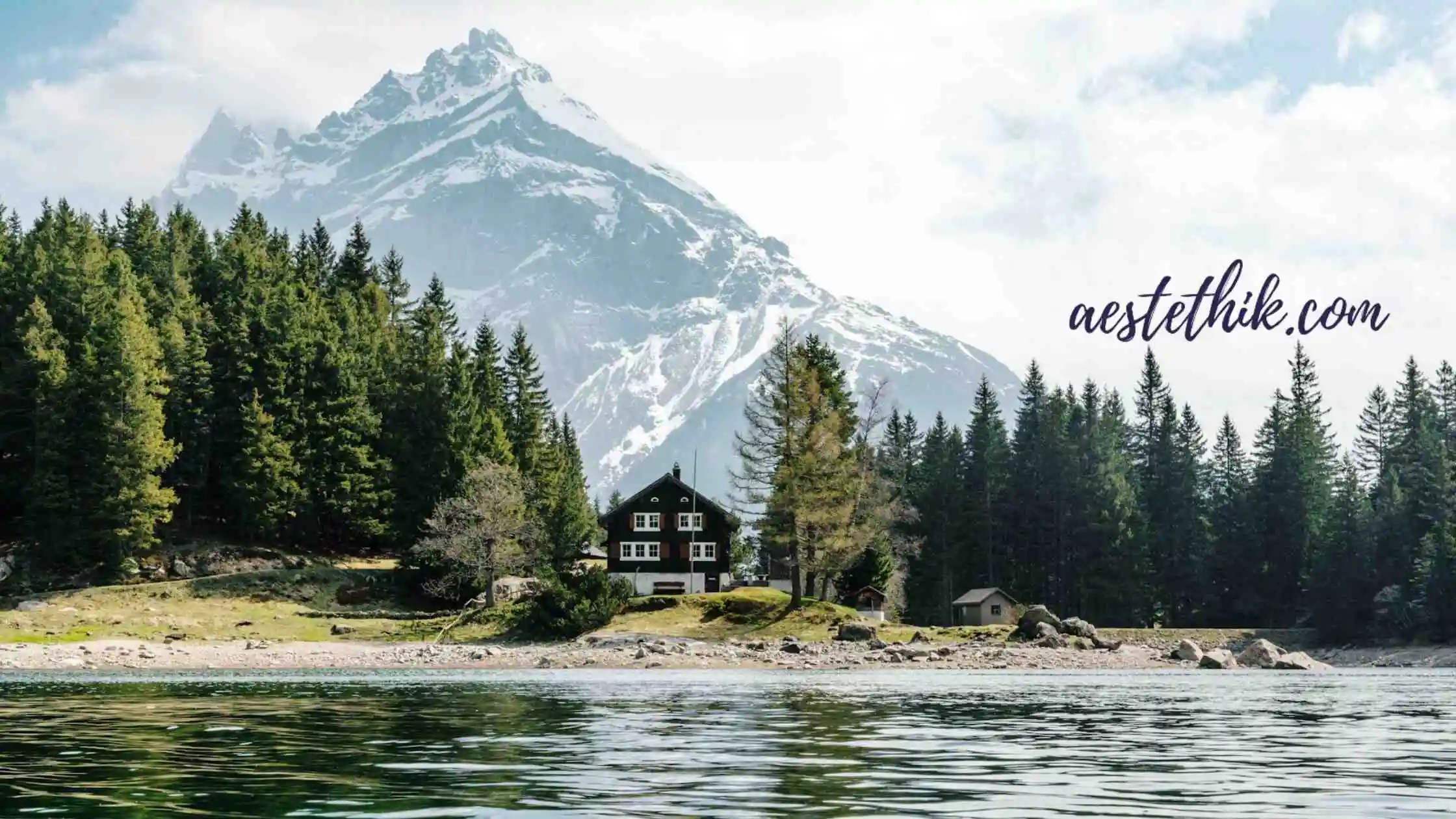
Don’t Miss — The Best Things To Do In Switzerland
Top activities across Switzerland — day trips, city highlights and seasonal experiences to add to your itinerary.
How to Find Cheap Flights in 2026 – Best Time to Book & Pro Hacks
Pro tips, timing strategies and little-known hacks to score cheap flights in 2026 — ideal for planners hunting the best fares and flexible travellers.
Frequently Asked Questions | Interlaken
Practical, SEO-ready answers for visitors to Interlaken — transport, seasons, budget tips, trip length and must-do experiences.
How do I get to Interlaken?
When is the best time to visit Interlaken?
Is Interlaken expensive for budget travelers?
How many days do I need in Interlaken?
Are lake cruises and mountain trains worth it?
Is Interlaken safe for tourists (including solo travellers)?
Do I need to pre-book paragliding and how much does it cost?
Are there luggage lockers or left-luggage services at Interlaken Ost?
How do I check mountain lifts, trains and cable-car operating status?
Can I still visit Jungfraujoch if the weather is poor? What about refunds?
Where is the best area to stay — Interlaken Ost, West or Unterseen?
What should I pack for Interlaken and mountain trips?
How can I save on transport — Swiss Half-Fare Card vs Swiss Travel Pass vs Jungfrau passes?
Is Interlaken doable as a day trip from nearby Swiss cities?
Are there good vegetarian / family-friendly food options?
Connect with Aestethik ~ Receive Premium Stories, Tips & Guides for FREE!
Connect with us on LinkedIn, YouTube, Instagram, Facebook and Pinterest. Join now ⟶