
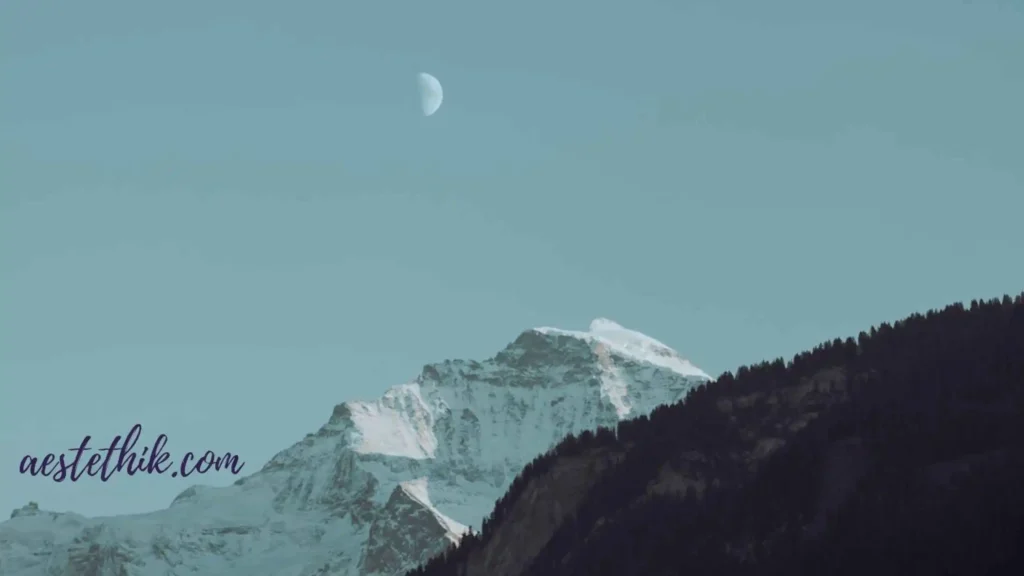
Short answer: Interlaken is a charming Swiss town nestled between Lake Thun and Lake Brienz, often called the “adventure capital of Switzerland”. Its dramatic alpine scenery is ideal for year-round outdoor activities – hiking in summer, skiing in winter, plus paragliding, rafting and scenic train rides. Visitors can use the Interlaken Guest Card or Swiss Travel Pass for convenient transport. Whether on a shoestring or splurging, travelers will find options from cozy hostels to luxury spas, and taste Swiss specialties like fondue and chocolate along the way.
At a glance | Interlaken Swiss Alps Mountain — The Best Travel Guide 2026
- Location: Bernese Oberland — compact town on the Bödeli plain between Lake Thun and Lake Brienz; ideal base for Jungfrau-region day trips.
- Adventure: Outdoor alpine fun in all seasons — hiking, kayaking/boat trips, skiing, paragliding, white‑water rafting and via ferrata.
- Best time: Summer (July–August) for high‑alpine hiking and lake activities; Winter (Dec–Mar) for snow sports. Shoulder seasons (spring & autumn) give fewer crowds and strong photo opportunities.
- Transport: Interlaken Ost & West link regional trains and boats. Use the Interlaken Guest Card (free for many hotel guests) locally and compare the Jungfrau Travel Pass vs Swiss Travel Pass for multi‑day mountain travel.
- Costs: Typical daily budget CHF 100–150 (budget–midrange); luxury ≳CHF 300+ per person. Mountain-excursion tickets (Jungfraujoch, Schynige Platte) add substantially to a daily total.
- Must-dos: Funicular to Harder Kulm at sunset, Schynige Platte panorama, ride to Jungfraujoch (Top of Europe), paraglide over lakes, scenic boat on Lake Thun or Lake Brienz, and alpine cheese/fondue in a chalet restaurant.
| Budget | CHF 80–120 |
| Mid-range | CHF 120–200 |
| Luxury | CHF 300+ |
The Zurich Prestige Series
Curating the pinnacle of Swiss hospitality. Discover Zurich’s most exclusive lakeside retreats and historic architectural sanctuaries.
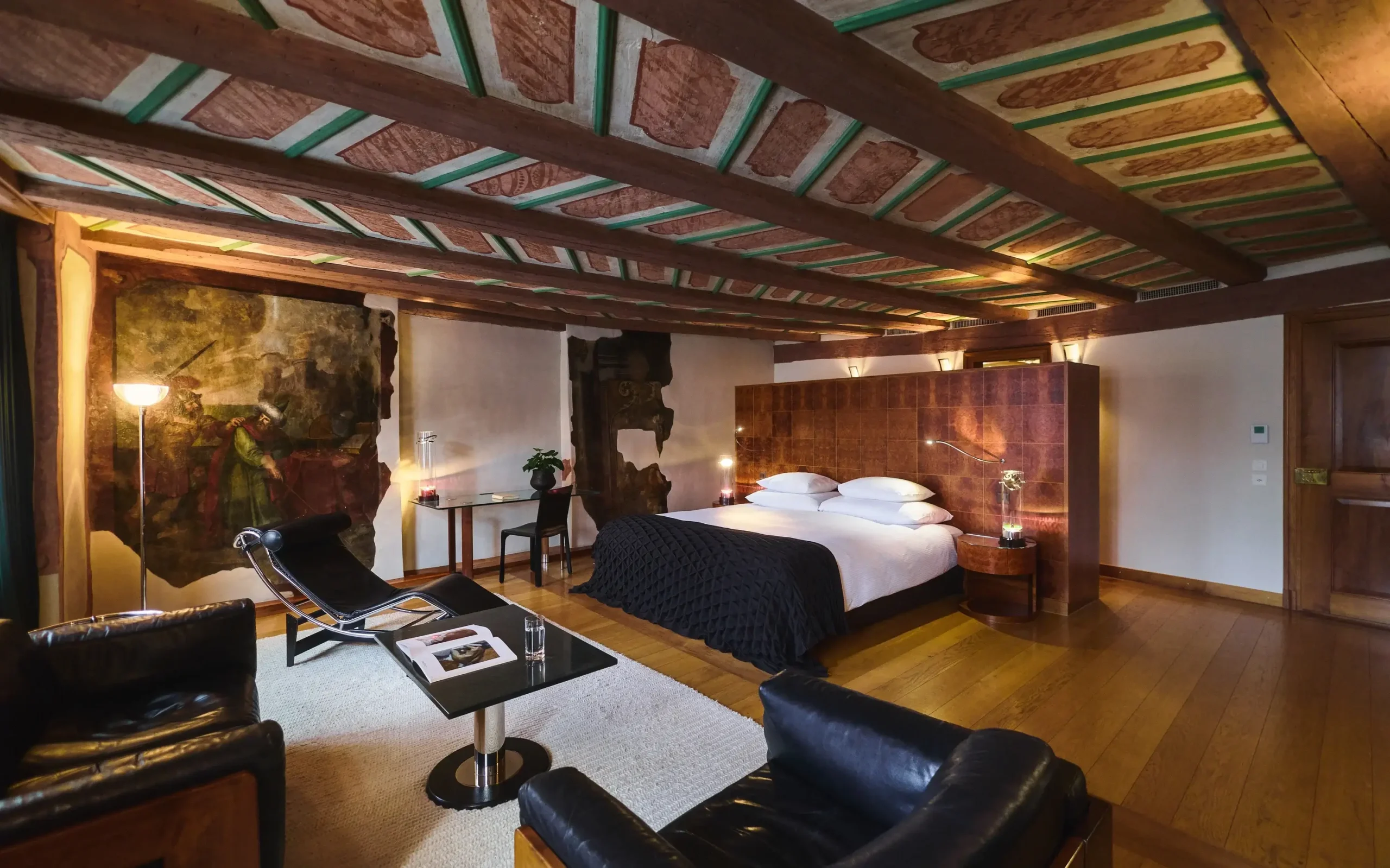
Residences by Widder
Exclusive, sprawling residences blending medieval architecture with avant-garde design in the heart of Zurich’s Old Town.
Reserve Private Residence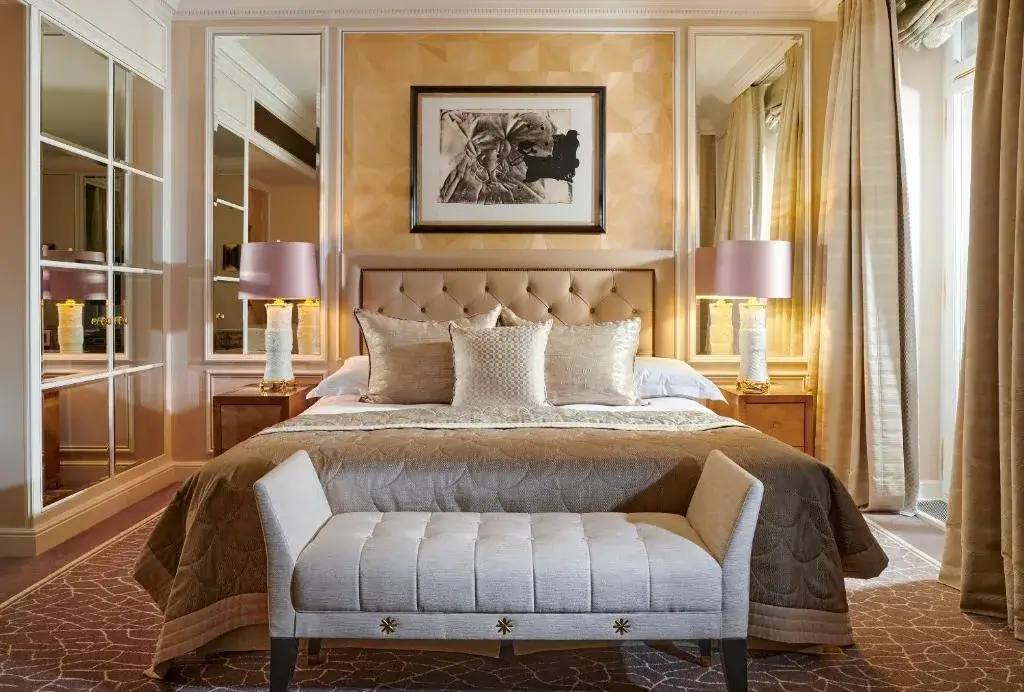
Baur au Lac
An undisputed legend of Swiss hospitality set within its own private park overlooking Lake Zurich and the Alps.
View Exclusive Rates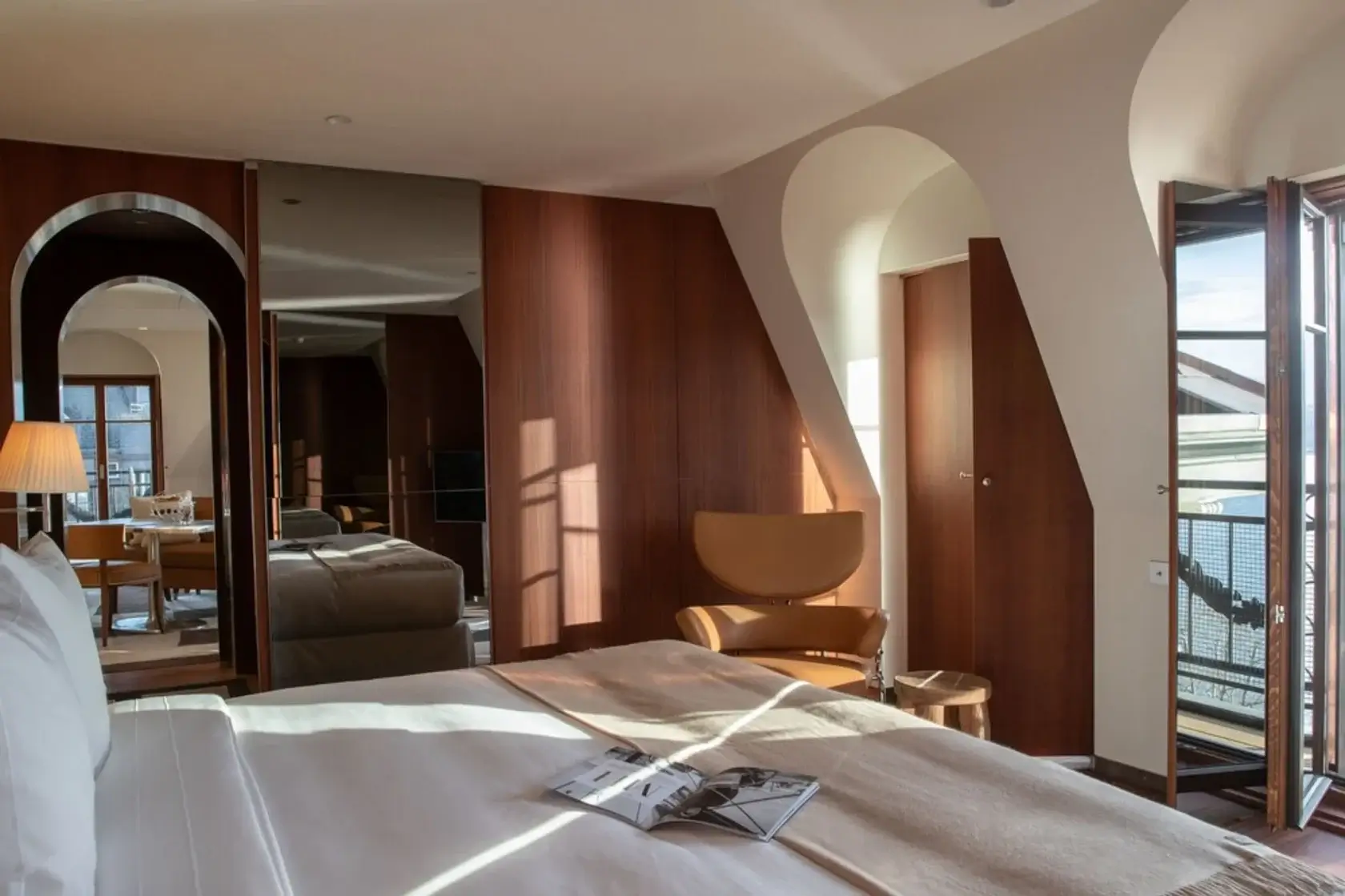
La Réserve Eden au Lac
An imaginative, yacht-club-inspired oasis reimagined by Philippe Starck, offering vibrant elegance on the lakeshore.
Check AvailabilityInterlaken Travel Guide | Swiss Alps Adventure Hub
Panoramic view of the Interlaken region in summer. The town lies between green Lake Thun (left) and turquoise Lake Brienz (right), with the snow-capped Jungfrau peak in the distance.
Interlaken, whose name means “between the lakes,” sits at 568 m in the heart of the Bernese Alps. Surrounded by lofty peaks (Eiger, Mönch, Jungfrau) and crystal lakes, it’s long been a magnet for nature lovers. As Travel + Leisure observes, there’s “only one rule when visiting: get outside as much as possible”. Everything is at your fingertips: alpine meadows, glaciers, turquoise waterways. The scenery is postcard-perfect in any season.
More than a quiet mountain town, Interlaken is “Europe’s number one destination for adventure sports”. In 2026 it continues to draw thrill-seekers. You can hike ridges with views of two lakes, kite and kayak on glacial waters, bungee or sky-dive, and most famously, paraglide down into Höhematte Park. Nor does it skimp on modern comforts: luxury hotels, spas and easy train connections allow travelers of all styles to mix adrenaline with relaxation.
However, Interlaken is small, so the real fun is exploring nearby valleys. Town is base camp to Lauterbrunnen, Wengen, Grindelwald, Mürren and other classic Alpine villages – all reachable by scenic rail in under an hour. Each has its own cable cars, huts and trails to discover. In short, Interlaken is an unbeatable hub: “so much to do,” recommends one guide – “stay for longer than you think”. We suggest planning 3–4 days (see itineraries below) to cover the highlights.
The Geneva Gold Standard
From the historic banks of Lake Geneva to ultra-private wellness sanctuaries, experience the pinnacle of Swiss hospitality.
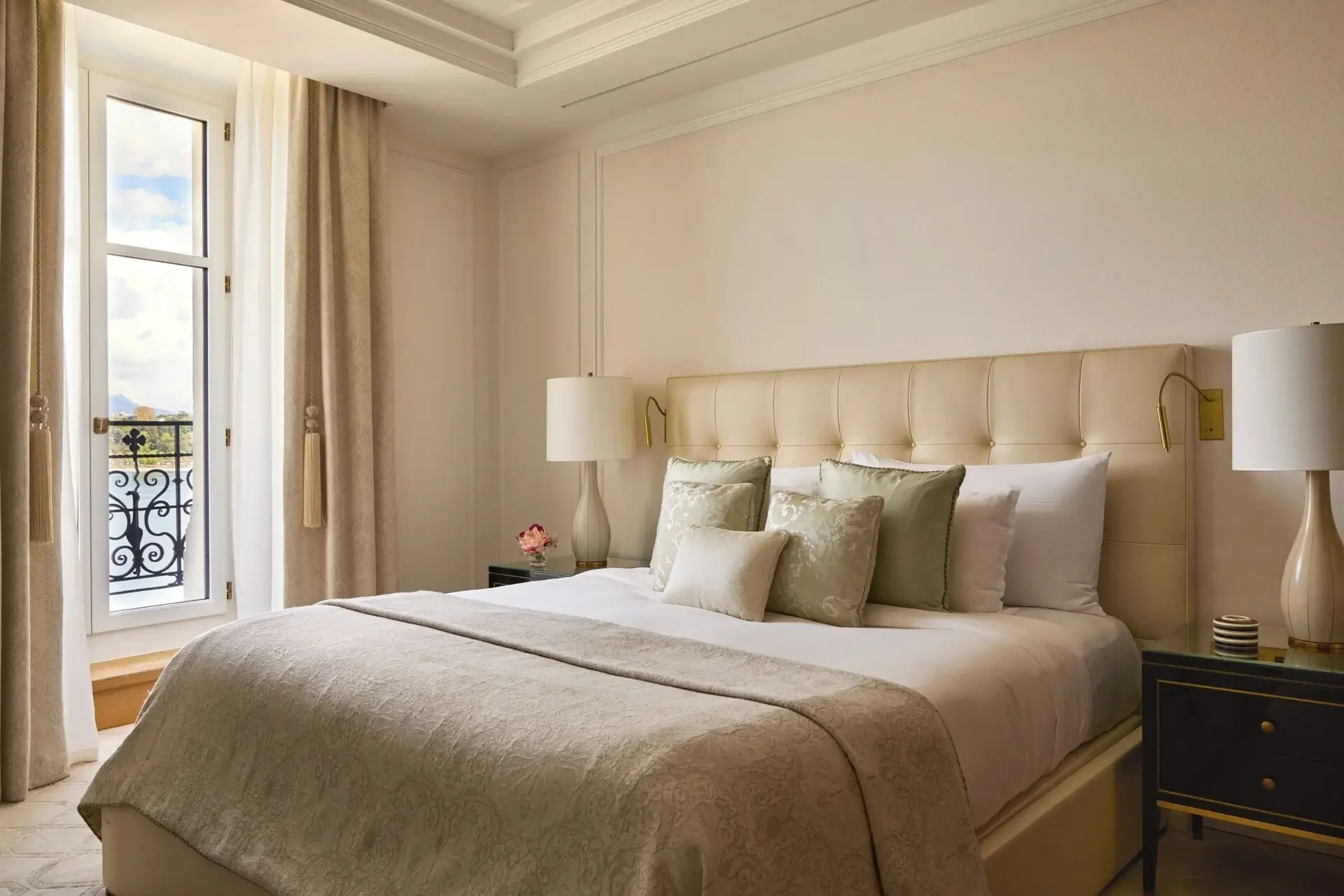
The Woodward
Geneva’s first all-suite hotel. A lakeside masterpiece featuring Michelin-starred dining and world-class Guerlain spa facilities.
Reserve Your Suite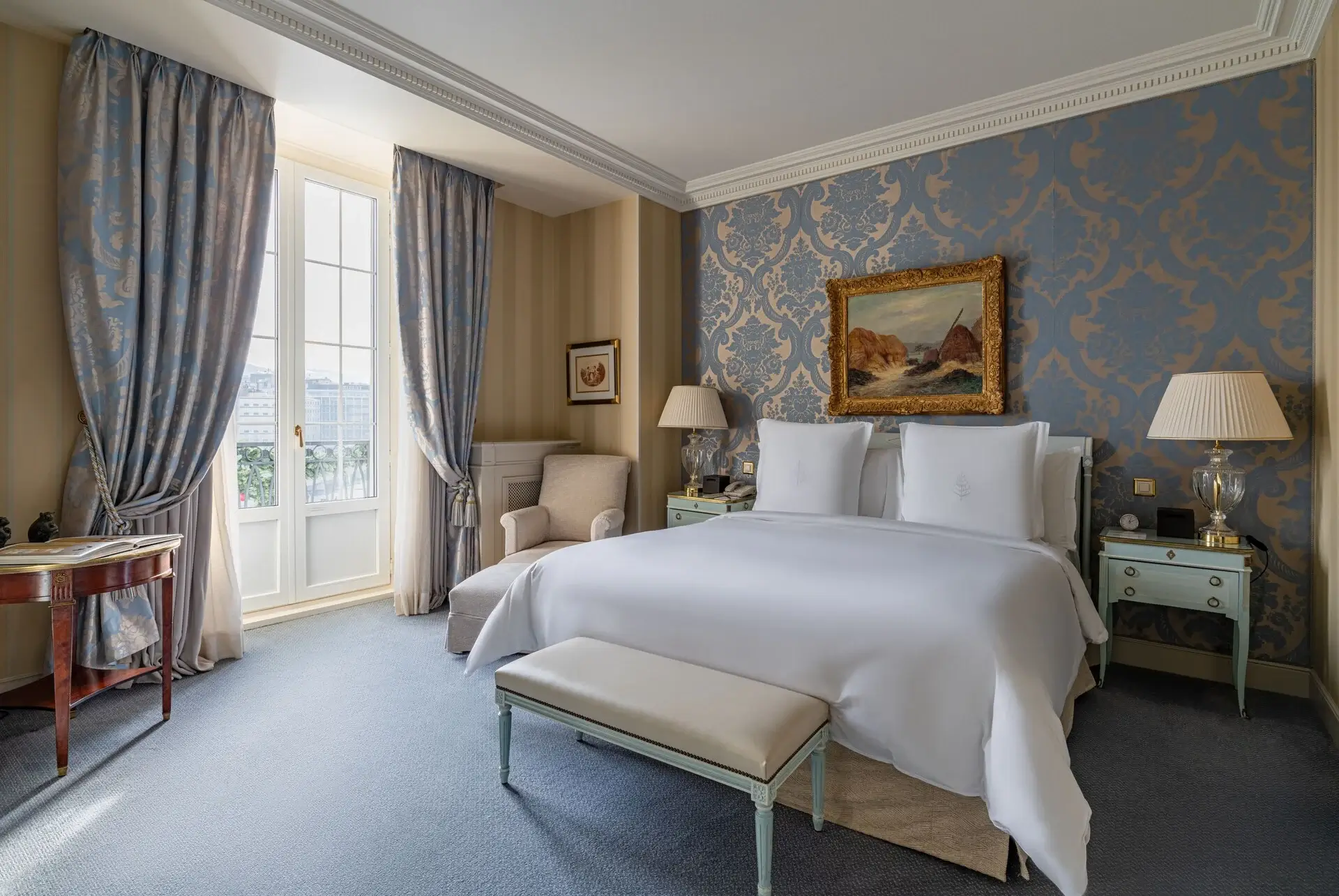
Four Seasons des Bergues
The oldest grand hotel in Geneva, blending historic elegance with panoramic views of the Jet d’Eau and the Alps.
Unlock Rates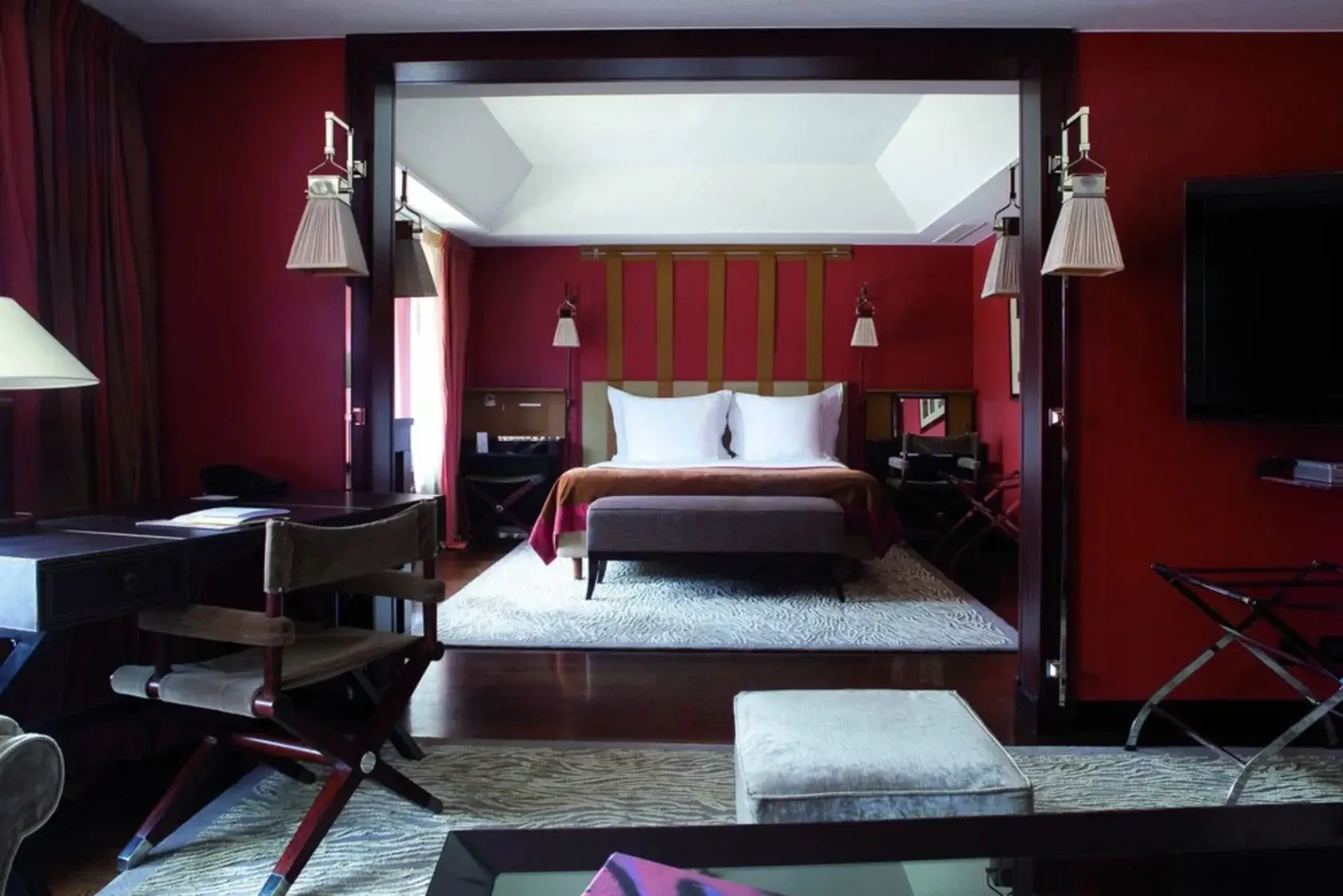
La Réserve Genève
Set within a private 10-acre park, this lakeside resort is a haven for wellness, featuring the renowned Nescens Spa.
Check AvailabilityBest Time to Visit Interlaken | Seasonal Highlights
Spring (Apr–Jun): Snow melts reveal wildflowers in alpine meadows. Some cable cars reopen, and the weather turns milder. Early spring offers fewer crowds and lower prices, but some high trails or peaks may still have snow. The village of Mürren above Interlaken opens to hikers from Lauterbrunnen.
Summer (Jul–Aug): Peak season. Warm, sunny days with occasional rain are great for hiking, biking and lake sports. Daytime temps average 20°C (68°F). Lakes Thun and Brienz warm up for swimming and boating. All mountain lifts run. Expect crowds at Jungfraujoch and Harder Kulm viewpoints. Book hotels and experiences early.
Autumn (Sep–Oct): Autumn brings golden larch trees on the slopes and fewer tourists. Hiking remains excellent – for example, the Schynige Platte trail (peak wildflowers) is open until late Sep. Cable cars often run until early Nov. The weather can be unpredictable, but crowds thin out. It’s harvest season for apples and grapes in nearby valleys, and festivals like Swiss National Day (Aug 1) may extend into early autumn festivities.
Winter (Nov–Mar): Interlaken itself rarely snows heavily, but the surrounding mountains are a winter wonderland. December–February bring skiing, snowboarding, snowshoeing and sledding on nearby slopes (e.g. Grindelwald-First, Wengen-Männlichen). The Jungfraujoch cogwheel railway operates year-round, giving access to snow and ice at 3,454 m even in summer. Winter also means crisp sunny days perfect for frozen-lake strolls or a steaming fondue. Note that some summer activities (like lake kayaking) are unavailable in winter.
Peak Crowd Alert: July–August are busiest. Easter, Christmas–New Year and Swiss National Day see high demand too. Spring and fall offer quieter travel, and winter appeals to skiers.
Getting to Interlaken | Transportation Options
Interlaken is easily reached by train or car. There are two main stations – Interlaken Ost (East) and Interlaken West – right in town center.
By Train: Swiss Federal Railways (SBB) connects Interlaken with Zurich, Bern and Geneva (via Lucerne/Spiez). The Luzern–Interlaken Express (GoldenPass) is a scenic route from Lucerne that winds through lakes and mountains. From Zürich, high-speed trains reach Bern in ~50 min, then a regional train (~50 min) gets to Interlaken. Swiss trains are punctual; consider the Swiss Travel Pass for unlimited train, bus and boat travel across Switzerland. (See transport table below.)
By Air: The nearest airport is Zürich (ZRH), 2–3 hours by train. Bern Airport (BRN) is smaller; Basel (BSL) connects via Zurich or Lucerne by train.
By Car: Interlaken lies on the A8 motorway (from Bern/Luzern) and A6 (from Bern/Thun). Driving is scenic but parking in town can be limited and expensive. If renting a car, set GPS to “Interlaken Ost” or “Interlaken West”. Many visitors skip a car in favor of trains (the Swiss Travel Pass covers virtually all public transport and even includes panoramic trains to Jungfraujoch).
Transport Pass Comparison: The Swiss Travel Pass offers unlimited rides on trains, boats and even some mountain lifts (e.g. First, Schynige Platte). A 3-day 2nd-class pass costs CHF 254 for 2026. The Swiss Half Fare Card (~CHF 120) lets you buy all tickets at half price – useful if not traveling daily. Once in Interlaken, the Interlaken Guest Card (free with hotel stay) covers buses, funiculars and some boat discounts. See table below for quick cost comparisons.
| Transport Option | Coverage | Cost (2026) | Notes |
|---|---|---|---|
| Swiss Travel Pass (3-day) | All Swiss trains/buses/boats; many lifts | ~CHF 254 (2nd class) | Unlimited; also 50% off some mountain excursions. |
| Swiss Half Fare Card (1 mo) | Any train/bus/boat tickets at 50% off | CHF 120 (approx) | Good for long stays; combine with point-to-point tickets. |
| Regional Jungfrau Pass | Unlimited travel in Jungfrau Region | From ~CHF 165 | Valid on local trains/cable cars (purchase as needed). |
| Interlaken Guest Card | Local buses, boat discounts, funicular | Free (with ≥1 night stay) | Provided by hotels; 15-20% off many regional attractions. |
| Car rental | Flexible, door-to-door | ~CHF 50–100/day + fuel | Parking fees apply; funiculars offer car transport in some passes (Lötschberg). |
| Boat (Lake Thun/Brienz) | Cruises & local ferries | CHF 20–40 (one-way) | Scenic lake trips; free on lakes with some passes. |
The Zermatt Alpine Series
Curating the pinnacle of high-altitude luxury. Discover Zermatt’s most exclusive mountain retreats and unmatched Matterhorn views.
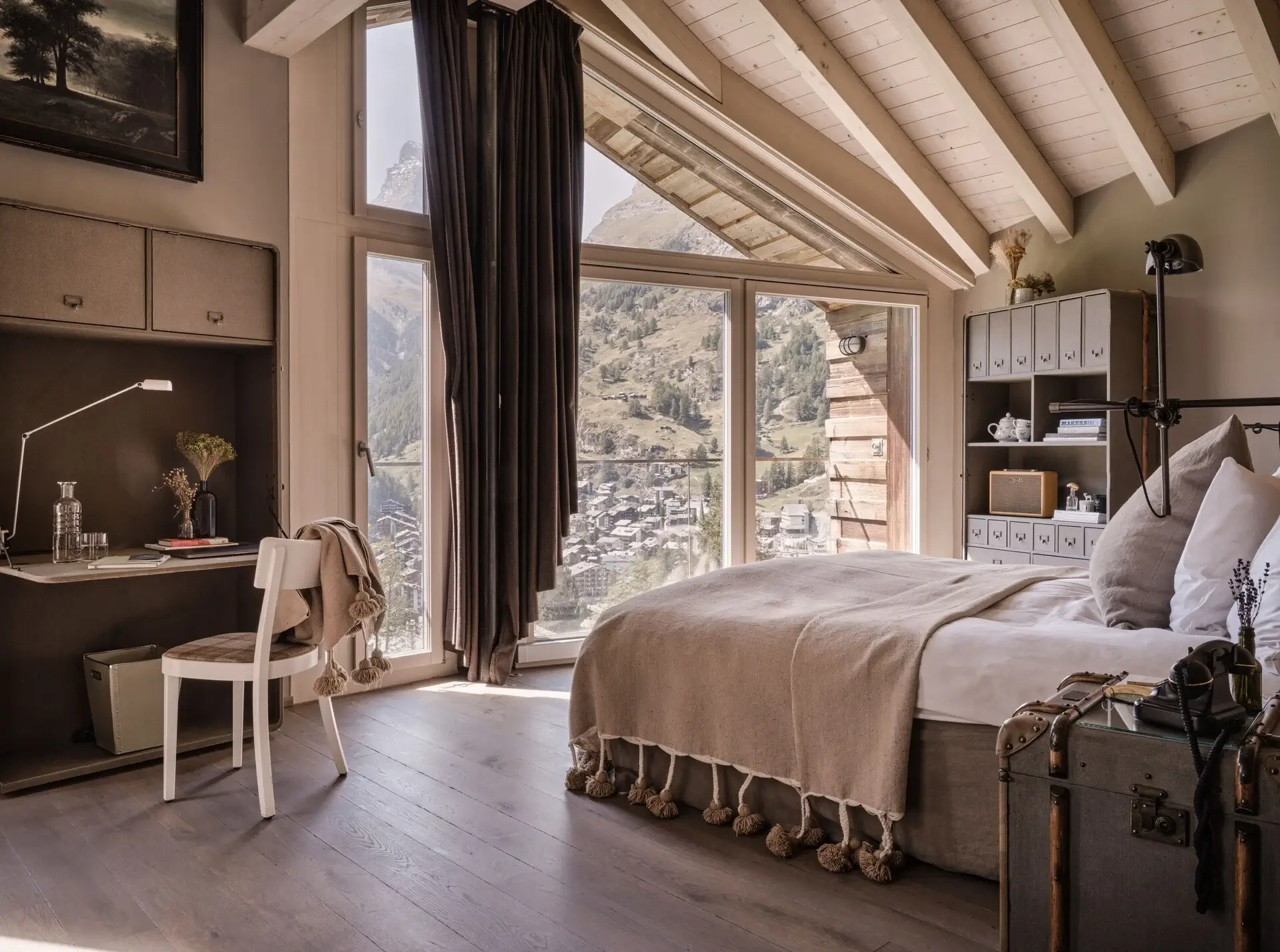
CERVO Mountain Resort
A conscious, modern retreat blending sustainable luxury with ski-in/ski-out access and breathtaking Matterhorn panoramas.
Discover CERVO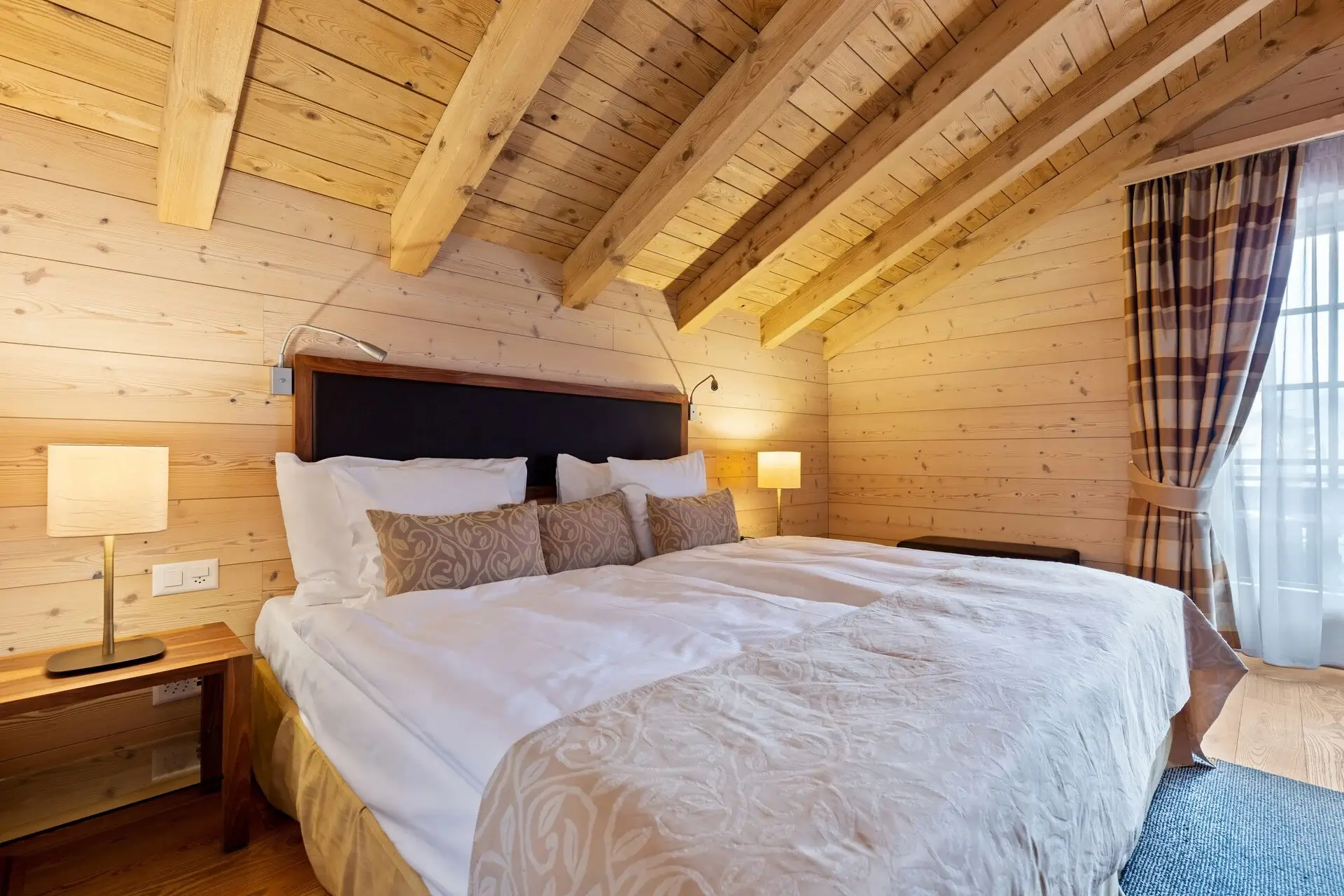
Grand Hotel Zermatterhof
A masterclass in traditional Swiss hospitality. Arrive by horse-drawn carriage to this legendary 19th-century palace.
Step Into History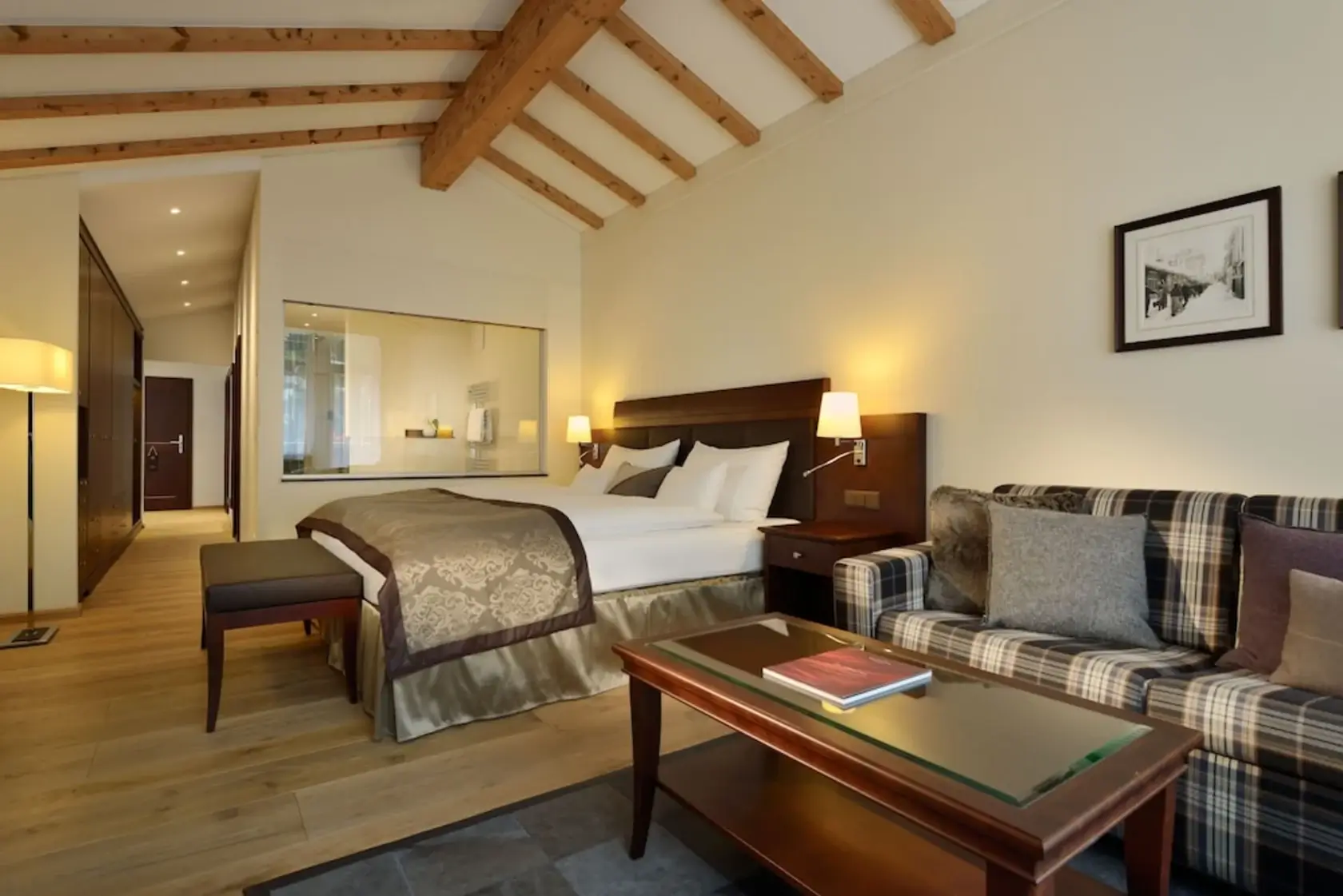
Mont Cervin Palace
A legendary member of the Leading Hotels of the World, delivering timeless Swiss charm and carriage arrivals since 1852.
Reserve the PalaceBook Flight To Nearby Airport
When you travel, your time and comfort are your most valuable assets. That is why we recommend bypassing the hassle and booking your premium flights directly through below widget. Known for its powerful search technology, Kiwi makes securing the perfect, high-end itinerary effortless.
Whether you are flying for a crucial business meeting or a luxury getaway, booking the right flight sets the tone for your entire trip. We always recommend prioritizing direct flights in Business or First Class. Direct routes save you hours of exhausting layovers, while premium cabins offer priority boarding, exclusive lounge access, lie-flat seats, and superior dining. You arrive at your destination refreshed, respected, and ready to go.
Ready to secure your seat? Use the search tool below to find the best premium routes. Here is exactly how to tailor your search for the ultimate travel experience:
Your Step-by-Step Guide to Booking
1. Choose Your Journey Type Start by selecting either a One-way or Return trip at the top of the search box.
2. Upgrade Your Experience (Crucial Step) Click the cabin class dropdown and select Business Class or First Class. Skip the economy section—investing in a premium cabin ensures you get the exceptional service, extra space, and luxurious amenities you deserve from takeoff to touchdown.
3. Add Your Travel Companions Select the number of passengers traveling with you. Ensuring everyone is in the same premium cabin guarantees a cohesive and relaxing trip for your whole party.
4. Select Your Baggage Requirements Choose your checked and cabin baggage. A major perk of flying Business or First Class is that generous baggage allowances are almost always included, so you never have to pack light unless you want to.
5. Choose Currency: Select currency which you prefer for better understanding.
6. Enter Your Departure and Destination Input your home airport and where you are headed. Pro tip: Look for the direct flight options that populate. Direct flights dramatically reduce your travel time and minimize the risk of lost baggage or delays.
7. Search & Secure Your Flight Hit the Search button! This will instantly aggregate the best premium, direct routes available. Choose the schedule that fits your life, and complete your secure booking in just a few clicks.
Start Your Search Now:
Getting Around in Interlaken | Swiss Pass & Local Travel
Once here, the compact town is easy to explore on foot. The Höhematte Park in central Interlaken is pedestrian-only, and you can cross the Aare River via footbridges to Unterseen. Buses and trams (Operated by PostBus/Bernmobil) cover town and nearby villages (Faulensee, Ringgenberg, etc.). With the Interlaken Guest Card, local buses are free. The Guest Card also gets you 15% off the Harder Kulm funicular and 20% off Lake Thun/Brienz boat cruises.
For mountain trips, use trains or cable cars. Popular rides from Interlaken Ost: Harderbahn funicular (to Harder Kulm) and the Bernese Oberland Railway toward Lauterbrunnen/Grindelwald. To reach Jungfraujoch, take the Wengernalp Railway or Eiger Express via Grindelwald, then the Jungfrau Railway. If you have a Swiss Pass, these routes (except the Eiger Express lift) are mostly covered; a small surcharge may apply for seat reservations or cable car lines.
Transport Apps: Download the SBB Mobile app for timetables and tickets (it supports English). The Swiss geo-admin app (SBB) often includes local bus info too. Also consider the Interlaken Tourismus app or websites for event calendars. Google Maps works well here, but offline hiking maps (Komoot, AllTrails) can be helpful in the mountains.
Where to Stay in Interlaken | Budget vs Luxury Accommodations
Budget: Hostels and pensions are popular among backpackers. Two of the largest are Balmers Hostel and Interlaken Youth Hostel (the latter near Ost station). Dorm beds start around CHF 30-50/night. Small guesthouses and B&Bs charge CHF 70–150 for a double. Camping Jungfrau (Matten) is a campsite just outside Interlaken. In winter, some ski hotels drop rates – worth checking booking sites for deals.
Mid-range: Many 3-star hotels (Hotel Interlaken, Hotel Beausite) offer doubles ~CHF 150–250. Some apartments and chalets can be rented by families. In summer, look for off-center stays (in Wilderswil or Iseltwald villages) for lower rates and lake views.
Luxury: Iconic splurges include the historic Victoria-Jungfrau Grand Hotel & Spa (216 rooms, Michelin-starred dining) and Hotel Royal St. Georges in Unterseen. Grand Hotels (Beau-Rivage, Silberhorn) offer spa and riverfront views. A deluxe double may run CHF 500–800 per night, especially if booking “with a view”. Don’t forget boutique picks like Grand Hotel Giessbach on Lake Brienz for a night in a château.
Tip: Book well in advance for summer peak or holiday periods. Many hotels bundle breakfast and offer spa/wellness packages. On TripAdvisor, accommodation reviews often highlight the “stunning views” from rooms, which can be worth an extra $20–50/night for panorama.
| Type | Budget Estimate (per night) | Luxury Estimate (per night) | Examples |
|---|---|---|---|
| Dorm Room | CHF 30–50 | – | Balmers Hostel, Youth Hostels |
| 2-star / Guesthouse | CHF 70–120 (double) | – | B&B Pension Hirschen, Alpenblick |
| 3-star Hotel | CHF 120–250 | CHF 400–600 (for suite) | Hotel Interlaken, Hotel Beausite |
| 4–5-star Hotel | CHF 300–500 | CHF 500–800+ | Victoria-Jungfrau, Beau-Rivage, Royal St. Georges |
| Apartment / Chalet | CHF 150–300 | CHF 400+ | Lake Brienz chalets, loft-style rentals |
Budget tip: Use booking sites and look for “Interlaken+free cancellation” filters. The free Interlaken Guest Card applies when you stay overnight, so you’ll save on transport no matter where you stay.
Hiking in Interlaken | Top Trails & Summit Views
Hiking is Interlaken’s lifeblood. Trails range from gentle lakeside walks to challenging mountain ascents. Some favorites:
- Harder Kulm Panorama Trail: Take the Harderbahn funicular (5 min walk from Interlaken Ost) up 1322 m in 10 minutesj. The summit platform “Two Lakes Bridge” literally hangs between viewpoints for Lake Brienz and Lake Thun – “it will absolutely take your breath away”. From Harder Kulm (1322 m), a short loop offers panoramic vistas of the Aare valley. Average hiker time: 1 hour round-trip on foot (or funicular up/down).
- Schynige Platte Ridge: Board the century-old red cogwheel train (Wilderswil → Schynige Platte). The Alpine Flower Trail from Schynige Platte (1967 m) to Loucherhorn hut is famous for meadows of bluebells and gentians with snow peaks beyond. Total loop ~2.5–3 hours (moderate). The descent train ride offers views of Brienz Lake. Note: train operates mid-June to mid-Oct.
- Eiger Trail: From Grindelwald Terminal (reachable by train from Interlaken Ost), take the Eiger Express gondola to Eigergletscher (2320 m). Follow the footpath along the dramatic Eiger North Face down to Alpiglen. The hike is ~6 km and 3–4 hours, with steep sections. Spectacular up-close look at the rugged north wall (avoid in rain/fog).
- Lauterbrunnen Valley: The Lauterbrunnen valley floor is gentle (~7 km from Mürren to Stechelberg). Or climb up to Mürren or Grütschalp (via mountain railway from Lauterbrunnen) for views of Trümmelbach Falls and valley.
- Lake Trails: Stroll or bike around Lakes Thun or Brienz. You can walk to Iseltwald village on Lake Brienz (1.5 hours west of Interlaken West) or cycle the 14 km lakeside path to Därligen/Thun.
Trail Tips: Start early on summer hikes to avoid afternoon thunderstorms in the Alps. Wear sturdy boots – even summer trails can have scree and steep drops. Trail markers are red-white or yellow; signposts at junctions list destinations and times. The official “Mountain Railways” FAQ and map in Interlaken Tourist Office or SBB app can help. During winter, consider snowshoe trails instead (e.g. up Harder Kulm or around Wengen).
Paragliding in Interlaken | Soaring Over the Alps
No trip to Interlaken is complete without soaring like a bird. Paragliding above Interlaken is popular and relatively safe for first-timers (tandem flights with an instructor).
Flights typically launch from the hills of Beatenberg or Mürren, drifting down over Interlaken, landing in the meadow next to Höhematte park. Numerous operators run daily tandem flights (weather-permitting, April–October and sometimes winter). According to a recent compilation of 1,651 traveler reviews, Interlaken paragliding rates a stellar 4.9/5 – passengers rave about the “incredible views” and friendly instructors. One reviewer wrote: “Paragliding in Interlaken is an experience not to be missed!… The flight was so fun and exhilarating!”.
A typical flight lasts 15–25 minutes, high enough to see the lakes and snow peaks. Be prepared for about a 20–30 minute uphill ride or short hike to launch point. Operators often provide a video/photo package (extra CHF 40–50) – recommended for the memories! Expect prices around CHF 180–250 per person (book early for summer season). For skydiving, some companies also offer tandem skydives, but at a much higher cost (~CHF 600). Paragliding gives similarly thrilling aerial views at lower cost.
Remember sunscreen and layers (it’s cooler at altitude). Everyone lands safely in Höhematte where you can savor the adrenaline over a hot chocolate. Landings are usually smooth; many flights end on foot (just like a jump). In short, as the Jungfrau tourism site notes, Interlaken “turns the hotel road into a promenade” where you’ll often see paragliders drifting overhead – take to the skies yourself!
Lake & Water Activities in Interlaken | Kayaking, Rafting & More
Interlaken’s twin lakes and rivers offer refreshing water fun. Lake Thun and Lake Brienz are just a stone’s throw from town, and the Aare River runs through it.
- Kayaking/Paddleboarding: Rent a kayak or SUP at Lake Thun (Interlaken Ost marina) or Lake Brienz (Bönigen) and paddle on the turquoise water. Popular routes include paddling to picturesque villages like Iseltwald or down the Aare to Thun (for experienced paddlers). One operator notes beginner-friendly guided kayak tours on either lake.
- Boat Cruises: The historic BLS paddle steamers run regular cruises (day-trip or hop-on/hop-off) on Lake Thun and Lake Brienz. A one-way cruise (Interlaken Ost to Thun) takes ~2 hours and costs ~CHF 30. With an Interlaken Guest Card you get 20% off the combined Thun-Brienz day pass. These provide majestic views of lakeside castles (e.g. Oberhofen, Spiez) and the setting sun behind the Alps.
- White-water Rafting & Canyoning: The Lütschine rivers (Grindelwald and Lauterbrunnen arms) offer grade 3–4 rapids. Local outfitters run half-day rafting trips (CHF 50–100) where you tackle rapids under the Wetterhorn. Canyon swings (giant pendulum rope swings in cliffs) and canyoning tours (jumping waterfalls) are also booked in Grindelwald.
- River Boating: The Aare River’s cool currents can be explored by Aare boating (float rent from Thun up to Spiez) or even by miniature paddleboat in town.
- Lakeside Relaxing: On a hot day, locals and visitors swim off the piers of Thun/Brienz, or tan on the beaches at Faulensee or Interlaken West’s Strandbad. The water is glacier-cold, so wading is easier than full swims.
A note from Travel+Leisure: “From hiking and kayaking in the summer to skiing and snowshoeing in the winter, Interlaken offers outdoor Alpine fun in all seasons.” Lake activities exemplify the “summer fun” part of that promise. Pack a swimsuit and a rain jacket – the weather on the lakes can change suddenly, but crystal waters make everything feel epic.
Winter Sports near Interlaken | Skiing & Snow Fun
While Interlaken itself has minimal ski slopes, it is the jumping-off point for world-class winter resorts:
- Jungfrau Ski Region: Composed of Grindelwald-First, Wengen-Männlichen and Mürren-Schilthorn, these interconnected ski areas total over 200 km of pistes. A single “Jungfrau Ski Pass” (~CHF 70/day) covers all three. The Eiger Express tricable gondola (Grindelwald to Eiger Glacier) opens up immediate access to high alpine skiing. Terrain ranges from easy nursery slopes (Männlichen) to the famous Kandahar World Cup run in Grindelwald.
- Ski & Board Schools: For beginners, Interlaken has ski schools and rentals, but many start lessons directly in Grindelwald or Lauterbrunnen where lifts are accessible.
- Snowshoeing & Winter Hiking: Several trails around Harder Kulm and Lauterbrunnen valley are groomed for snowshoe treks. You can snowshoe up to Harder Kulm restaurant or glide along frozen lakeside paths. Rental shops in town will lend snowshoes and poles for ~CHF 10.
- Tobogganing: The 15-km toboggan run from Niesen or shorter runs in Mürren (Männlichen) are great for families. Toboggan rentals and sled runs are available in each resort.
- Other Winter Thrills: Some adventurers try ice climbing in Lauterbrunnen’s frozen waterfalls, or the legendary via ferrata on Schilthorn in stable winter conditions.
Do note: mid-October to mid-December and late April to early May are shoulder ski season with fewer lifts running. The main ski season is Dec–Mar. You’ll find ski buses from Interlaken Ost to villages like Grindelwald and Lauterbrunnen. Swiss Travel Pass holders even get 25–50% off regional ski passes (e.g. Jungfrau Ski Pass).
Interlaken Tourism calls the region “a paradise for aviation enthusiasts, winter sports fans and fans of the water” and suggests visitors try “breathtaking tours with skis, snowshoes or sled dogs”. In practice, winter in Interlaken is about hitting the slopes and relaxing afterward with a fondue.
Scenic Train Rides from Interlaken | Jungfraujoch & Lucerne
A mountain railway snakes through summer meadows in the Jungfrau region. From Interlaken, scenic trains take you high into these Alps.
Some of Switzerland’s most famous train journeys begin at Interlaken Ost:
- Jungfraujoch – Top of Europe: Board at Interlaken Ost → Lauterbrunnen/Grindelwald (BOB trains) → Kleine Scheidegg (change) → Jungfraujoch. Total time ~2 hours each way. The red, cogwheel Jungfrau Railway ascends 1400 m through tunnels up to 3454 m. At the summit Sphinx Observatory, “you won’t get a better view anywhere else” – the Aletsch Glacier stretches below a panorama of 4000m peaks. Round-trip tickets cost ~CHF 210–250; Swiss Pass holders get ~25% off. Dress warmly: it’s freezing and windy at the Sphinx platform. Don’t miss the Ice Palace (an underground glacier chamber) while there.
- Schynige Platte Railway: From Wilderswil (1 stop from Interlaken Ost), ride the vintage red train up to Schynige Platte at 1967 m. Views open up to Interlaken, Thun/Brienz lakes and the Eiger massif. In summer, the Alpine Garden is in bloom. Round-trip takes ~4 hours (including some walking at the top) and costs ~CHF 93.
- Brienzer Rothorn Railway: From Brienz (10 min by train from Interlaken West), a 1-hour steam cogwheel climbs to Brienzer Rothorn (2350 m) with wood-paneled panoramas. This is classic Swiss scenery from the Golden Pass route.
- Lucerne–Interlaken Express: The GoldenPass panoramic train runs twice hourly between Interlaken Ost and Lucerne, passing lakes, meadows and the Brunig Pass. Travel time ~2h by daylight. It’s one of the top scenic rail routes in Europe. Include this if coming from or going to central Switzerland.
Train travel in Interlaken is an experience in itself. As Lydia Mansel writes, “Interlaken is incredibly well-connected by train, allowing travelers to use the resort town as a base as they explore further”. The railway schedules are integrated – just hop on at Ost or West, and you’re soon gazing at glaciers. Many hikes and sights are accessible via these trains, making it easy to sample the Alps without exhausting drives.
Local Culture in Interlaken | Customs & Traditions
Interlaken is not just nature; it’s steeped in Swiss mountain culture. The town and villages around it celebrate traditions:
- Unspunnenfest: Every few years, Interlaken (or nearby Wilderswil) hosts this traditional festival of Swiss wrestling (Schwingen), stone throwing, horn blowing and folk costumes. It draws thousands of spectators (next scheduled date TBD).
- Jugendfest and Greenfield: In town, summers bring local festivals. “Greenfield Festival” (late June) is a major rock music event near Interlaken Ost. Christmas Market (Dec) lights up Höheweg with wooden chalets of crafts and fondue. Check the Interlaken.ch event calendar for current events (like New Year fireworks).
- Local Crafts: Try a workshop tour in a mountain village. Nearby Grindelwald and Unterseen have woodcarving shops. Don’t miss visiting Funky Chocolate Club (a chocolate-making experience) right in Interlaken.
- Alpine Museums: The Heimatmuseum in Interlaken (small folklore museum) and Schilthorn Thrill Walk (via ferrata exhibition) add historical context.
- Language: German (Swiss dialect) is official. Most people speak English fluently, especially in tourism. Learning a few Swiss-German greetings (Grüezi, Adieu) is polite.
- Etiquette: Swiss punctuality and modesty rule. Tipping is modest (≈5-10% in restaurants, taxis). Swiss trains close doors automatically; stand clear. Public parks and trails expect trash to be carried out – keep the Alps clean.
Stepping into Interlaken’s past, you feel a “small-town charm” that dates centuries. It was once a medieval monastery town (founded 1133) and later a 19th-century artist’s retreat. Today it balances a relaxed Alpine vibe with cosmopolitan visitors from around the globe.
Food and Drink in Interlaken | Swiss Cuisine
Swiss alpine fare is hearty and delicious. Key local specialities:
- Cheese Fondue & Raclette: Melted Swiss cheese with bread (fondue) or potatoes (raclette) is a must. Sit by a fireplace at restaurants like Restaurant Bären in Unterseen or the Swiss Chalet at Harder Kulm. Expect CHF 25–35 for fondue per person (drinks extra).
- Rösti: A crispy fried potato pancake often topped with cheese, bacon or sausage – a Swiss comfort food. Found on most menus.
- Valaisian specialties: Dishes like capuns (chard-wrapped dumplings) or Öpfuchüechli (apple fritters) appear at traditional inns.
- Local bread & pastries: Try fresh Birchermüesli, Zopf bread, or gingerbread from Innertkirchen.
- Chocolate & Desserts: Visit a Schoggi-Laden (chocolate shop) or sample ice cream from Gelateria Interlaken. The mountainous Läderach and Lindt brands are locally made.
- Drinks: Swiss beers (e.g. Feldschlösschen, Calanda) and apple wine from nearby Thun. After hiking, cool off with Birchli (birch sap soda) or Rivella (light apple/herb soda). Budget vs Fine Dining: Many restaurants offer “Menu of the Day” (Mahlzeit) for ~CHF 18 (includes entrée, main, dessert). A budget meal (sandwich + drink) is ~CHF 10–15. A three-course meal at a mid-range restaurant costs CHF 50–70 per person. High-end dining (e.g. hotel restaurants, gourmet fondue experiences) can be CHF 100+ per person.
- Cafés: Höhematte promenade is lined with cafes. Grab a café crème and pastry for ~CHF 5.
- Local Markets: On Saturdays there’s a farmers’ market in Interlaken West station plaza – buy local cheese, sausages and baked goods.
According to Interlaken tourism, culinary delights are part of the holiday experience. In Unterseen (west of Interlaken) you’ll find Restaurant Bären, a historic fondue spot highlighted by Travel+Leisure. Or try Traditional Swiss Brunch at the Interlaken Hotel for rösti and raclette. No trip is complete without sampling Swiss cheese at a mountain hut or sipping hot chocolate after a day on the slopes.
Day Trips from Interlaken | Jungfrau Villages & Beyond
Interlaken’s location makes day trips easy: just hop on a train for 10–30 minutes to reach some Alpine gems. Top recommendations:
- Grindelwald: 30 min by train. A classic mountain village, base for Eiger Express cableway. Hike to Bachalpsee lake or try the First Flieger (zipline) at First.
- Lauterbrunnen: 20 min by train. A valley with 72 waterfalls (Staubbach, Trümmelbach). Easy hikes to Mürren or Wengen. The car-free village of Mürren (reachable by cable car) offers pure mountain village charm.
- Männlichen: From Wengen or Grindelwald, cable car up to Männlichen for panoramic hikes to Kleine Scheidegg.
- Bern: 1h train to Swiss capital. Explore the old town’s arcades and bear park.
- Montreux & Lake Geneva: (2.5h by Interlaken-Express & Montreux GoldenPass). Combines alpine scenery with vineyards and Riviera vibes.
- Zürich & Lucerne: Both 2+ hours by train. Not Alpine but convenient urban breaks.
Each day trip costs just a few francs by train (included in passes). Trains depart frequently; check the SBB app for schedules. As locals say, “Interlaken is your gateway” to all these Swiss beauties.
Festivals & Events in Interlaken | Year-Round Highlights
Despite its small size, Interlaken hosts big events:
- Greenfield Festival: Held mid-June, this is one of Switzerland’s largest rock/metal music festivals just outside town. Bands, camping and party vibe (tickets must be booked well in advance).
- Blue Balls Festival: In July, Interlaken stages blues, rock and world music concerts in Höhematte Park, free to attend.
- Unspunnenfest: A traditional “Swiss wrestling and stone throwing” fest every 12 years (next in 2023 was last, watch for the next).
- Harder Völklife & Harderifäscht: Community festivals in July with Swiss music, local food and fun runs.
- Christmas Markets & New Year: In December, Interlaken’s main street lights up with market stalls selling crafts and raclette. Fireworks on Jan 1st bring crowds (book hotels early for New Year).
- Ironman Switzerland: For athletes, this triathlon passes through Interlaken (usually July). Spectators line the route around Lake Thun.
For 2026, check the official Interlaken tourism calendar or local site for updated event dates. Many events are in Grünau (near Ost) or by the central park. Even smaller villages (Brienz, Wilderswil) have their own yodel or cheese festivals – a chance to mingle with Swiss culture.
Interlaken Tourism notes top events like New Year fireworks (Jan 1) and “Touch the Mountains” (Jan festival) on their website. If your trip coincides, it’s a bonus for entertainment. However, events also mean crowds and higher prices for that weekend. Plan accordingly.
Budget vs Luxury Travel in Interlaken | Cost Comparison
Interlaken can fit many budgets. Here’s a rough breakdown of daily costs (per person):
| Expense | Budget (Low) | Luxury (High) |
|---|---|---|
| Accommodation | CHF 30 (hostel dorm) | CHF 500 (hotel suite) |
| Meals | CHF 15–25 (casual eateries) | CHF 80+ (fine dining) |
| Transportation | CHF 20 (regional pass/day) | CHF 80 (Swiss Pass/day) |
| Activities | CHF 0–20 (hiking, free sights) | CHF 200 (ski or Jungfrau) |
| Miscellaneous | CHF 5–10 (snacks, entry) | CHF 50+ (spa, shopping) |
- Budget tip: Many top attractions are free or low-cost (hikes, lakes, town walk). The Interlaken Guest Card eliminates local bus fares. Look for Swiss Travel Pass deals or half-fare cards to cut train costs. Self-cater by shopping at Migros/Denner supermarkets.
- Luxury tip: Stay at a Grand Hotel with spa access and Jungfrau views. Book premium tours (private helicopter flights, gourmet fondue dinners). Consider renting a private boat on the lake (~CHF 300/hour) or booking a luxury train compartment.
Below is a cost-comparison table summarizing typical prices:
| Item | Budget | Luxury |
|---|---|---|
| Hostel bed | CHF 30–50/night (dorm) | – |
| Hotel (3★) | CHF 120–200/night (dbl) | – |
| Hotel (4★/5★) | – | CHF 500–800/night |
| Meal (cheap eatery) | CHF 10–20 | – |
| Meal (mid-range) | – | CHF 50–80 |
| Transport (local) | Free (Guest Card) | Free (Guest Card) |
| Transport (Swiss Travel Pass) | 2-day CHF 179 (2nd class) | – |
| Activity (hike) | Free | – |
| Activity (Jungfraujoch) | CHF 120 (one way w/ Pass) | – |
| Activity (paragliding) | CHF 180–250 | – |
| Spa/Wellness | – | CHF 100+ (day pass) |
Stay flexible: prices can surge in peak months. Always book key services (Jungfraujoch train, paragliding, ski passes) in advance to avoid disappointment.
Apps & Tools for Interlaken Travel | Digital Guide
Handy apps and websites will make your trip smooth:
- SBB Mobile: Must-have Swiss train/bus/boat planner and ticket app. Real-time schedules, platform info, and mobile e-tickets. English interface.
- Swiss Travel Pass App: For pass management and travel tips (part of SBB ecosystem).
- Interlaken Tourismus App: Official tourism app with points of interest, trail maps and event listings.
- AllTrails/Komoot: For detailed hiking trail maps (user-generated GPX tracks; offline options).
- Maps.me or Google Maps: Offline map downloads of Switzerland; Google for street navigation (train stations, restaurants).
- XE Currency: Helpful for on-the-go CHF conversion rates (CHF ≈ US$1 = CHF 0.90 in 2025).
- Translator (Google or iTranslate): Not usually needed (English is widely spoken), but useful for menus or trains.
- Weather & Snow Reports: Swiss Avalanche Institute (SLF) app or OpenSnow for mountain weather; local webcams via Interlaken.ch for live views.
- Restaurant Finder: TripAdvisor or HappyCow (for vegans) to scout dining. Map apps include restaurant filters as well.
Tool Comparison Table:
| Tool/App | Function | Platform | Cost | Pros |
|---|---|---|---|---|
| SBB Mobile | Transport schedules & tickets | iOS, Android | Free | All Swiss public transit info; mobile tickets. |
| Interlaken Tourismus | Local info & maps | iOS, Android | Free | Official tips, events calendar. |
| Google Maps | Navigation & points of interest | iOS, Android | Free (data plan) | Worldwide coverage; offline maps. |
| AllTrails / Komoot | Hiking/biking trail maps | iOS, Android | Free/basic (Pro paid) | User reviews, offline GPX. |
| Google Translate | Language translation | iOS, Android | Free | Works offline if downloaded. |
| XE Currency | Currency conversion | iOS, Android | Free | Quick CHF exchange rates. |
These tools complement each other. For example, use SBB app to plan a train ride to Jungfraujoch, then AllTrails to hike, and Google Translate to read signs if needed. Keep phone charged, and bring a Swiss power adapter (Type J plug).
Sample Itineraries in Interlaken | 3–4 Day Plans
Here are suggested plans to cover highlights:
3-Day Adventure Itinerary:
- Day 1 (Lake & Town): Arrive, check in. Morning stroll Höhematte Park and old town. Afternoon boat cruise on Lake Thun to Oberhofen (visit castle). Evening fondue dinner in Unterseen.
- Day 2 (Mountains): Harder Kulm and First Summit. Morning funicular to Harder (for view and café). Hike from Harder back down (2–3h loop). Afternoon transfer to Grindelwald (train) – ride First Gondola/First Flyer zipline. Return to Interlaken.
- Day 3 (Jungfraujoch): Early train to Jungfraujoch via Lauterbrunnen. Spend 3–4h on Top of Europe (Sphinx, Ice Palace). Late afternoon back. (Alternatively, do Schilthorn or Schynige Platte if weather poor.)
4-Day Leisure Itinerary:
- Day 1: Interlaken town, Höhematte, cheese fondue.
- Day 2: Lauterbrunnen–Mürren cable car day (hike Birg/Piz Gloria).
- Day 3: Paragliding or canyoning experience. Afternoon lake kayaking.
- Day 4: Bern or Lucerne day trip (for city culture). Return for sunset at Harder.
Feel free to swap days based on weather. Always start mountain days early before clouds roll in.
Packing Tips for Interlaken | What to Bring
Interlaken’s weather can change quickly. Pack layers: t-shirts and a light jacket for daytime, plus a warm fleece or puffer for evenings. A rain shell is essential year-round (mountain storms can arrive fast).
- Footwear: Good hiking shoes or boots (even spring/summer trails can be muddy or rocky). Snow boots if traveling in winter.
- Outdoor Gear: Sunscreen, sunglasses and hat (sun intensity is high at altitude). Also insect repellent for summer hikes. If doing water sports, bring quick-dry clothes and a swimsuit.
- Daypack: A small daypack for hikes (water bottle, snacks, camera, rain gear).
- Power: Switzerland uses Type J plugs (3-pin). Carry an adapter and a power bank (for long train rides/hikes).
- Health: Bring any personal medications. Pharmacies in Interlaken (Apotheke) are reliable. Carry a small first-aid kit for blisters.
- Documents: Switzerland is not in the EU but in Schengen Zone. Check visa requirements. Carry passport/ID for any travel beyond Swiss borders (e.g. Liechtenstein, Italy).
Sturdy rain gear and layered clothing will serve all year. Even in summer, pack a light sweater.
Safety & Health Tips | Enjoy the Mountains Safely
The Alps are generally safe, but remember:
- Mountain Altitude: The town is at 570 m, but Jungfraujoch is 3454 m. Tourists often feel mild altitude effects (shortness of breath, light headache). Stay hydrated and ascend gradually. Don’t overexert on your first day. Consider Diamox tablets if you’re altitude-sensitive (ask a doctor).
- Trail Safety: Stick to marked trails, especially in snow. In winter/spring, afternoon sun can trigger avalanches or rockfall; hike early. If hiring a guide or going off-trail, check avalanche reports and weather via the Swiss Institute (SLF). Always check mountain weather before setting out.
- Swimming: Lakes are cold (~5–15°C even in summer). Enter slowly to avoid shock. Rivers can have strong undercurrents. Supervise kids at all times near water.
- Wildlife: Black bears are extinct here, but foxes and marmots live in the mountains. Keep a distance. Local wildlife sightings (e.g. ibex) are rare but exciting.
- Crime: Switzerland has very low violent crime. Petty theft (pickpocketing) can occur in any tourist area – keep valuables secure.
- Language & Emergency: The emergency number is 112 (all EU). For rescue on mountains, dial 144 (medical) or 118 (fire/rescue) and say “Interlaken,” then “Jungfrauregion,” etc. Google Translate phrasebook can help in a pinch.
- COVID-19 / health: By 2026, COVID restrictions are generally lifted, but stay updated. Health insurance (EHIC for EU citizens) covers emergencies; travel insurance is recommended.
Most hazards are natural and easy to manage with common sense. Locals say “the mountains don’t give surprises without warning” – meaning respect signs and closed paths.
Interlaken at a Glance | Quick Facts & Tips
- Coordinates: 46.6863° N, 7.8632° E (between Thun & Brienz).
- Population: ~5,300 (town proper).
- Currency: Swiss Franc (CHF). Credit cards accepted widely.
- Languages: German (official); English, French widely understood.
- Time Zone: UTC+1 (CET) / UTC+2 in summer.
- Emergency: 112 (any emergency), 144 (ambulance).
- Electricity: 230V, Plug Type J (adapter needed).
- Health: Pharmacy and hospital (Spital Interlaken) in town. 24/7 doctors on call.
- Tourist Info: Visit
Interlaken.chor the tourism offices near Ost station. They offer free Wi-Fi, maps, and brochure stands. - Tipping: Not required but appreciated; 5–10% at restaurants if service is good.
Plan Your Trip | Final Resources & Tips
Use official sites for last-minute info:
- Interlaken.ch (English section) for lodging, activities and Guest Card details.
- Jungfrau.ch for ticket bookings to Jungfraujoch and cableways.
- SBB.ch or the SBB Mobile app for the latest train schedules and ticket purchases.
- OpenStreetMap or Google Maps offline for navigation.
Always check seasonal opening dates (some lifts close Oct–Nov). If traveling by train on weekends, note limited maintenance schedules. For currency, there are several bank ATMs in town (Visa/MasterCard accepted). Internet is fast; 4G coverage is good even on hikes.
By blending exhilarating activities with Swiss precision and hospitality, Interlaken promises a memorable Alpine adventure – whether you seek thrills, relaxation, or simply breathtaking scenery. Enjoy your journey in the Swiss Alps!
Recommended Travel Tales
Short reads, itineraries and travel ideas — updated regularly.
Hotel vs Airbnb — Which Is Better?
An honest comparison of hotels and Airbnb: cost, convenience, location trade-offs, and when each option makes more sense for travellers.
Don’t Miss — The Best Things To Do In Switzerland
Top activities across Switzerland — day trips, city highlights and seasonal experiences to add to your itinerary.
How to Find Cheap Flights in 2026 – Best Time to Book & Pro Hacks
Pro tips, timing strategies and little-known hacks to score cheap flights in 2026 — ideal for planners hunting the best fares and flexible travellers.
Frequently Asked Questions | Interlaken Travel FAQs
Practical answers to common visitor questions about planning a trip to Interlaken.
How many days in Interlaken are enough?
Is Interlaken expensive?
What should I pack for hiking?
Is Swiss Travel Pass worth it for Interlaken?
Can I swim in Lake Brienz or Lake Thun?
Are credit cards widely accepted?
What vaccines or health precautions are needed?
What is the electricity plug type?
Is English spoken?
How safe is Interlaken for solo travelers?
Connect with Aestethik ~ Receive Premium Stories, Tips & Guides for FREE!
Connect with us on LinkedIn, YouTube, Instagram, Facebook and Pinterest. Join now ⟶