
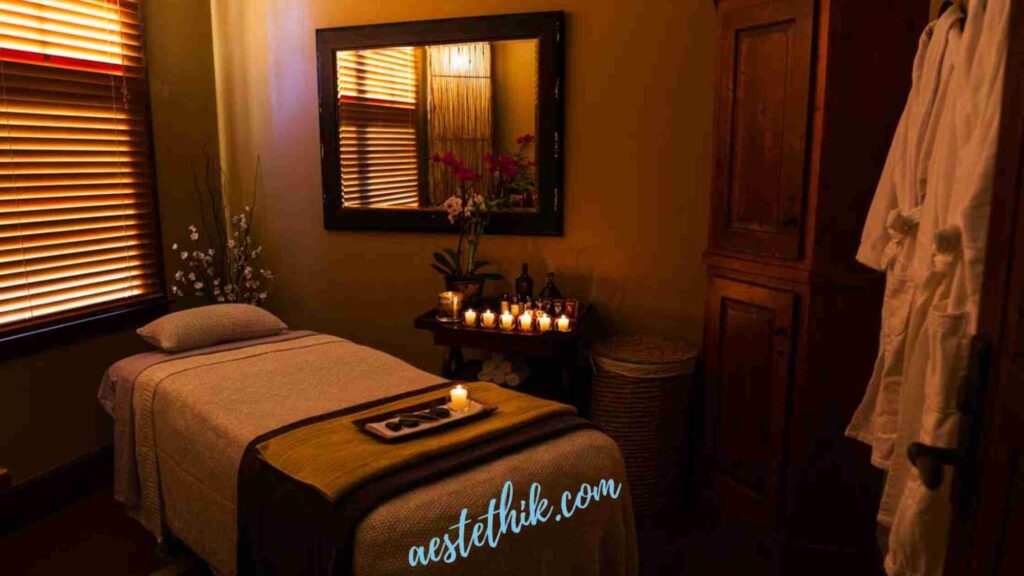
The Short Answer: Designing a massage therapy room requires balancing sensory ambiance, ergonomic furniture, and biophilic elements to create a holistic healing sanctuary for clients.
At a Glance
- Core Philosophy: Environment plays a critical role in the healing process.
- Key Elements: Dimmable lighting, aromatherapy, and ergonomic comfort.
- Design Style: Nature-inspired, sustainable, and personalized.
- Budget Tier: Scalable from DIY upcycling to luxury investment.
Intro
The environment surrounding a client is as vital as the treatment itself. Healers understand that a deliberately designed space allows patients to mentally and physically release stress, preparing them for the healing process. Since massage therapy became a staple service, creating a beautiful, well-designed room has become essential for defining the atmosphere. Whether updating an existing practice or establishing a new sanctuary, the goal remains the same: maximizing comfort and facilitating a deep state of relaxation.
Ambiance & Lighting | Setting the mood for tranquility
The concept of ambiance is the foundation of the entire session, influencing how clients engage with their stress factors. A deliberate atmosphere allows clients to enter a world of tranquility immediately upon closing the door.
Lighting Dynamics
Lighting should be dimmed to help guests feel comfortable within the practice area. Utilize dimmers or lamps with various shades to allow clients to adjust brightness according to their preference. Himalayan salt lamps or candlelight can introduce necessary warmth and calmness to the environment.
Scent and Soundscapes
Aromatherapy lifts the mood of the therapy room significantly. Select user-friendly scents such as lavender, chamomile, or eucalyptus to reduce stress and promote relaxation. Complement these scents with soft instrumental music or nature sounds, kept at an appropriate volume to aid concentration and relaxation.
Furniture & Equipment | Optimizing flow and ergonomics
Furniture selection must enhance patient relaxation while ensuring the therapist’s ergonomic safety.
The Massage Table
The table is the key component, requiring a strong, well-fitted surface with adjustable height options. Padding must provide comfort for clients of all sizes while maintaining structural stability for various procedures.
Seating and Storage
Include ergonomic chairs for both the client and the therapist. The reception area requires comfortable seating for pre- and post-session waiting. To optimize space, minimize clutter by using shelves, cabinets, and carts for storing clean linens and oils. Furniture should be lightweight and multifunctional to allow for easy reconfiguration based on treatment plans.
Biophilic Design | Incorporating nature for healing
Bringing nature indoors boosts the mood of both clients and staff by sparking deep peace. Integrating specific natural elements can significantly enhance the therapeutic value of the space.
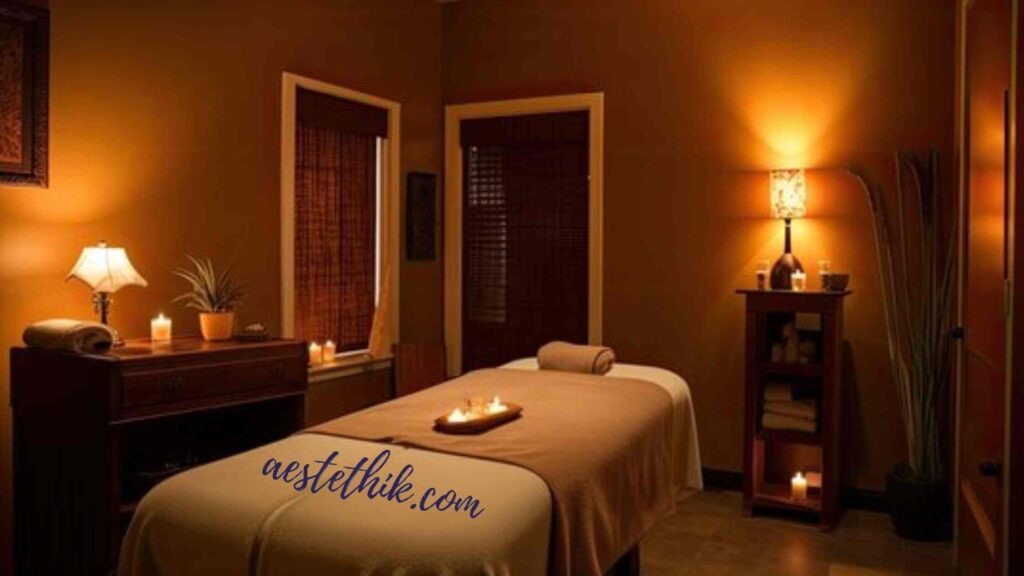
Curated Biophilic Elements
| Natural Element | Primary Benefit | Placement & Care Tip |
|---|---|---|
| Snake Plant | Filters toxins and pumps oxygen to freshen air. | Place in corners; requires minimal watering and thrives indoors. |
| Peace Lily | Adds lush greenery and visual calm. | Position near indirect light; low maintenance needs. |
| Tabletop Waterfall | Provides soothing “white noise” to mask external sounds. | Place on a side table; ensure regular cleaning to maintain hygiene. |
| Bamboo/Wood | Introduces earthy textures and warmth. | Use for flooring or furniture accents to ground the aesthetic. |
| Natural Stone | Creates a tactile connection to the outdoors. | Use as decor accents or within water features. |
Water and Materials
Integrating water features, such as tabletop waterfalls, introduces calming sounds that aid stress release. Use natural materials like wood, stone, and bamboo for furniture and flooring to create a harmonious, earthy texture.
Comfort & Textiles | Enhancing the tactile experience
Maximum comfort is achieved through temperature control and high-quality textiles.
Temperature and Linens
Maintain a cozy room temperature and utilize heated massage tables or blankets during colder months. Select high-quality linens made from natural fibers like cotton or bamboo for a luxurious feel.
Accessories
Soft cushions, bolsters, and weighted blankets add layers of warmth and security.
Sustainability | Eco-friendly design practices
Sustainable design reduces ecological impact while attracting eco-conscious clients.
Materials and Energy
Opt for recycled materials like reclaimed wood or bamboo for flooring and decor. Install energy-efficient LED lighting to reduce utility usage.
Waste Reduction
Utilize refillable dispensers for oils and lotions to minimize plastic waste. Low-VOC paints and finishes should be used to improve indoor air quality for safer breathing.
Personalization & Customization | Reflecting unique identity
Personal touches build a stronger connection between the therapist and the client.
Art and Decor
Display custom artwork or photos that reflect the therapist’s interests or nature-inspired scenes. Hanging pieces of art or words of encouragement emanates positive energy. For inspiration on techniques, explore The Art of Asian Massage Therapy.
Client-Centric Customization
Consult with clients regarding their preferences for light, heat, and music to tailor the experience. Offering choices in aromatherapy oils allows clients to curate their own sensory journey.
Budget & DIY | achieving professional aesthetics
A professional look does not require a massive budget if creativity is applied.
Upcycling and Repurposing
Refurbish existing furniture by sanding or painting to create unique pieces. Thrift stores and flea markets are excellent sources for finding used items to upcycle.
Cost-Effective Updates
Refresh a massage table with a new fabric cover rather than buying a new one. Use common items like mason jars or wicker baskets for stylish, low-cost storage. You can also browse affordable massage equipment online to find deals on essentials.
Implementation Playbook: 72-Hour Setup
- Day 1: Concept & Clear. Remove clutter and define the room’s layout to optimize flow.
- Day 2: Core Setup. Install the massage table and arrange ergonomic seating. Bring in indoor plants like snake plants for immediate air quality improvement.
- Day 3: Sensory Layering. Set up dimmable lighting and aromatherapy diffusers. Finalize the playlist with nature sounds or instrumental music.
Pricing & Booking Notes
- Furniture Costs: High-quality ergonomic tables are a primary investment.
- Decor Budget: DIY projects and upcycling can significantly lower decor costs.
- Maintenance: Budget for regular replacement of linens and sustainable supplies.
Key Takeaways
- Curate Ambiance: Lighting and scent are the first impression; use dimmers and aromatherapy.
- Prioritize Ergonomics: Invest in a high-quality table and chairs for both client and therapist comfort.
- Embrace Nature: Biophilic design using plants and water features aids the healing process.
- Personalize the Space: Use art and client consultations to create a unique, welcoming connection.
- Go Green: Implement sustainable practices like LED lighting and refillable dispensers.
Frequently Asked Questions
What is the most important element of a massage room?
Ambiance is the foundation of the session, allowing the client to feel at ease immediately.
Which plants are best for a therapy room?
Peace lilies, snake plants, and spider plants are ideal as they filter air and require little care.
How can I make a small room feel larger?
Use multifunctional, lightweight furniture that can be easily reconfigured to optimize space.
What lighting is best for relaxation?
Dimmable lights, candlelight, or Himalayan salt lamps create a warm, calming environment.
How do I reduce outside noise?
Play relaxing instrumental music or nature sounds to mask external distractions.
What are sustainable flooring options?
Bamboo and reclaimed wood are excellent sustainable materials that add natural texture.
How often should linens be replaced?
Linens should be high-quality and cleaned thoroughly; storage shelving helps manage replenishment efficiency.
What scents promote relaxation?
Lavender, chamomile, and eucalyptus are top choices for reducing stress.