
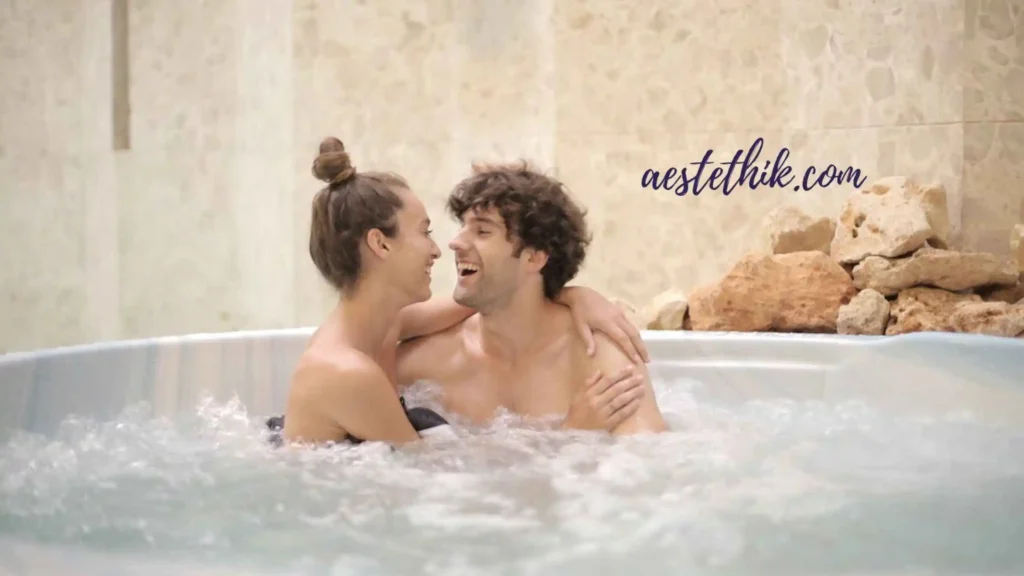
Planning a luxury wellness retreat Swiss spa getaway means choosing from top resorts in the Swiss Alps, booking early or using seasonal deals, and preparing for travel (passes, insurance). In 2026, the best strategy is to identify your ideal wellness retreat, monitor for promotions (like winter or Black Friday specials), and reserve 2–3 months in advance. This guide outlines the 15 best Swiss spa resorts and step-by-step booking advice.
At a glance — Swiss wellness retreats & spa resorts (planning)
- Top resorts: Signature properties include The Dolder Grand (Zurich), Grand Resort Bad Ragaz, Clinique La Prairie (Montreux), Lenkerhof (Lenk), Therme Vals and Bürgenstock Resort — each offers distinctive thermal, medical or luxury wellness programmes.
- Booking tips: For winter stays book ~3 months ahead (holiday dates fill fast). Shoulder seasons (spring & autumn) often return ~20–30% savings and quieter spa facilities — use whole-month searches and set alerts for package deals.
- Deals & timing: Watch Black Friday / November voucher drops, seasonal spa-package launches (e.g. Lenkerhof seasonal packages), and early-bird rates for wellness retreats — many resorts publish limited promo windows.
- Getting there: Use the Swiss Travel Pass for unlimited trains/buses/boats and easy connections to spa towns; reserve airport → hotel transfers early (some luxury resorts require private transfer reservations).
- Health & etiquette: Swiss spa culture often includes textile-optional saunas and strict quiet/relaxation rules — respect local signage (nude-sauna areas) and book treatments in advance to secure preferred slots.
- Packing essentials: Bring swimwear for pools, a light robe if you prefer, layered clothing for mountain weather, comfortable walking shoes, and printed or digital proof of reservations and travel insurance.
- Check exactly which spa facilities and treatments are included (thermal pools, saunas, medical consultations) before booking.
- Book any signature treatments, massages or medical appointments 2–4 weeks ahead of arrival, more for peak-season dates.
- Buy or activate a Swiss Travel Pass if you plan multiple rail journeys; pre-book airport transfers for smooth arrival on the same day as check-in.
- Purchase travel insurance that covers cancellations and medical treatments, especially for wellness stays where treatment schedules are crucial.
The Zurich Prestige Series
Curating the pinnacle of Swiss hospitality. Discover Zurich’s most exclusive lakeside retreats and historic architectural sanctuaries.
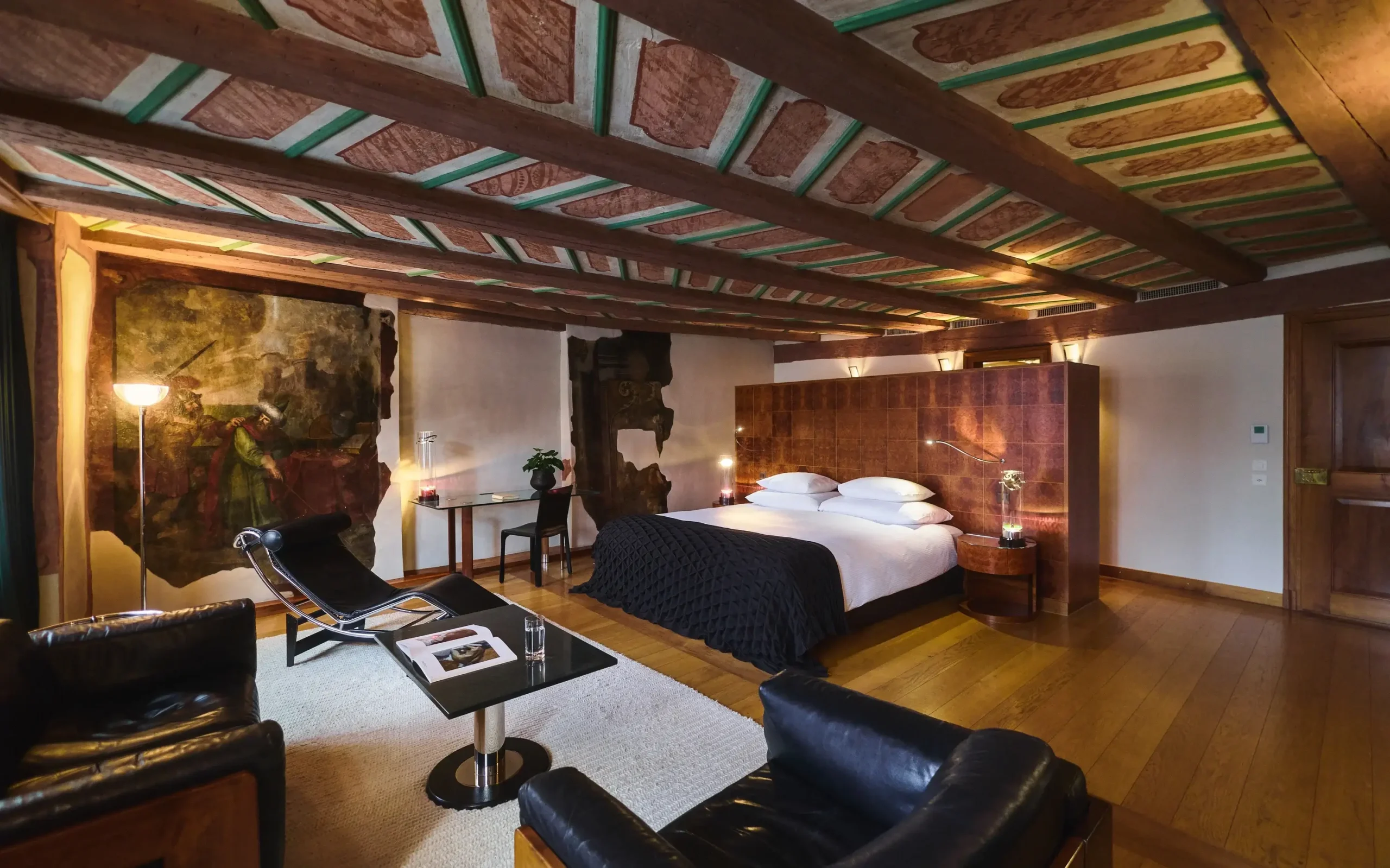
Residences by Widder
Exclusive, sprawling residences blending medieval architecture with avant-garde design in the heart of Zurich’s Old Town.
Reserve Private Residence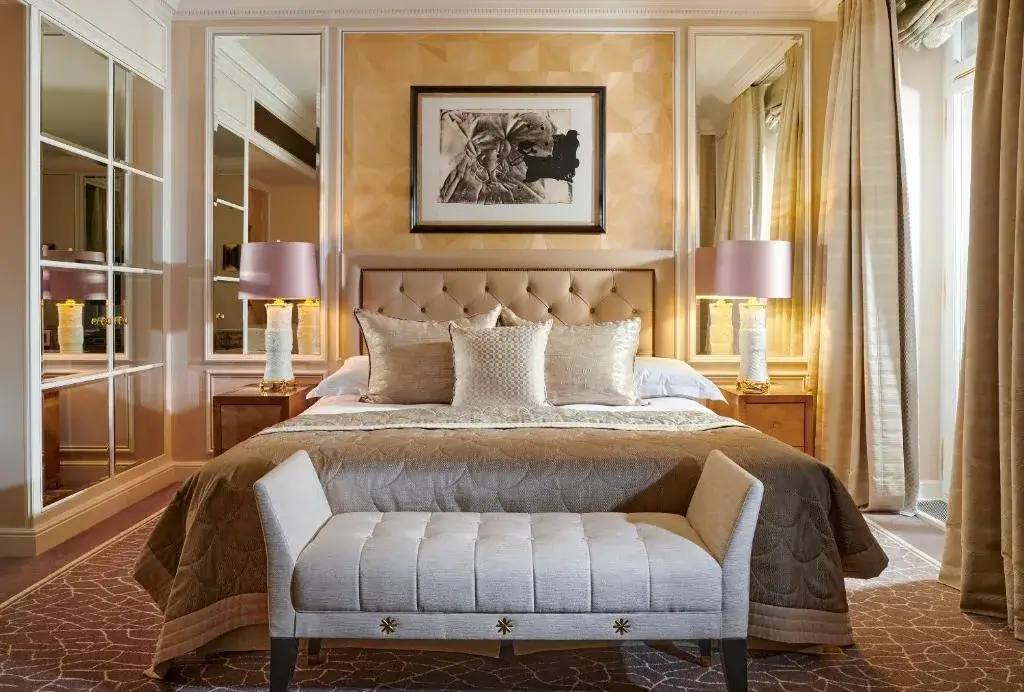
Baur au Lac
An undisputed legend of Swiss hospitality set within its own private park overlooking Lake Zurich and the Alps.
View Exclusive Rates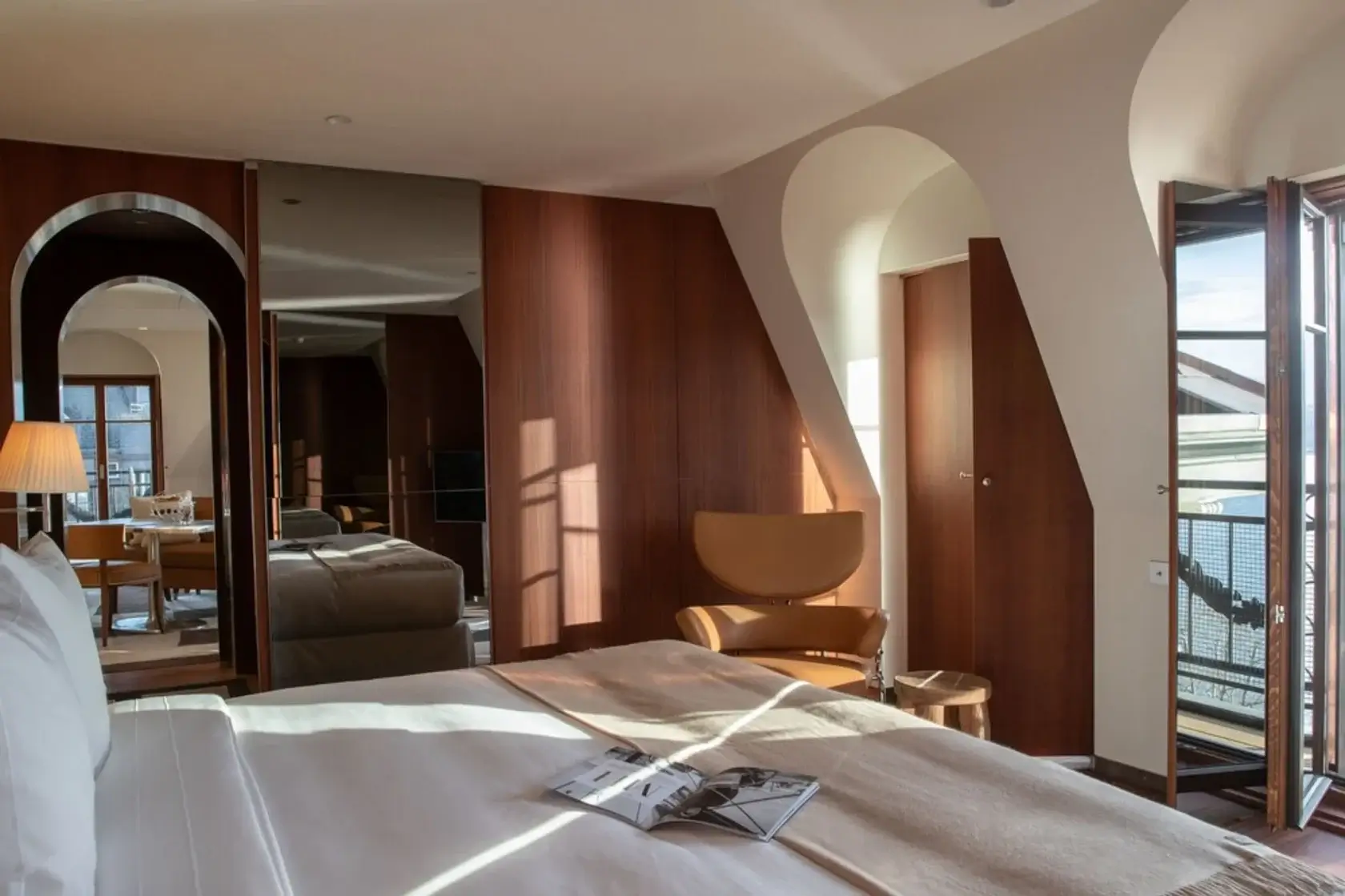
La Réserve Eden au Lac
An imaginative, yacht-club-inspired oasis reimagined by Philippe Starck, offering vibrant elegance on the lakeshore.
Check AvailabilityWhy Switzerland is Ideal for a Wellness Retreat
Switzerland’s Alps offer world-class natural beauty and pure mountain air, making it perfect for a wellness retreat.
Switzerland is famed not just for chocolate and skiing but also for luxury spas and health clinics. The alpine environment provides fresh air and tranquility, which enhances spa treatments and relaxation. Many Swiss wellness retreat resorts blend traditional healing (thermal baths, herbal therapies) with modern medical spa expertise. For example, Grand Resort Bad Ragaz is renowned for its centuries-old thermal springs and holistic programs, while Clinique La Prairie in Montreux offers advanced longevity and detox therapies. In short, Switzerland’s clean environment, quality hotels, and spa culture make it an unparalleled wellness destination.
Top 15 Luxury Swiss Spa Resort Wellness Retreats (Booking Guide)
| This table lists the top 15 Swiss spa resorts (wellness retreat), their locations, and standout features (see citations for details). |
| Resort | Canton / Region | Notable Spa/Wellness Features |
|---|---|---|
| The Dolder Grand, Zurich | Zurich | 4 medical wellness retreat programs, panoramic spa with city views. |
| Grand Resort Bad Ragaz | St. Gallen | Historic thermal springs, medical wellness retreat programs. |
| Bürgenstock Alpine Resort | Lucerne | Spa 500m above Lake Lucerne, indoor/outdoor pools. |
| Clinique La Prairie, Montreux | Vaud | Renowned medical spa (longevity, detox). |
| Grand Hotel Kronenhof, Pontresina | Graubünden | Iconic spa pool with massive windows and Alpine panoramas. |
| Hotel Vitznauerhof | Lucerne | Lake-view infinity pool, Finnish sauna, hydrotherapy. |
| Alpina Eclectic Hotel | Bern (Gstaad) | Six Senses Spa with Eastern-inspired treatments and mountain views. |
| 7132 Hotel, Vals | Graubünden | Famous Zumthor-designed thermal baths and architecture. |
| The Chedi Andermatt | Uri | 2400 m² spa area, indoor/outdoor pools with alpine vistas. |
| Carlton Hotel St. Moritz | Graubünden | Multiple pools (indoor, outdoor), steam baths and sauna facilities. |
| Ultima Gstaad | Bern (Gstaad) | Huge 800 m² spa with whirlpool, hammam and mountain views. |
| Castello del Sole, Ascona | Ticino | 2500 m² spa, lakeside setting, steam baths and Kneipp track. |
| Deltapark Vitalresort, BE | Bernese Oberland | Four-level spa with saltwater pools and panoramic sauna decks. |
| Kempinski Palace, Engelberg | Obwalden | 8611 sq ft rooftop spa, infinity pool, saunas. |
| LeCrans Hotel & Spa, Crans-Montana | Valais | High-altitude spa, detox programs, mountain panoramas. |
For each resort above, booking can typically be made via the hotel’s official website or major travel sites. Many of these luxury hotels offer spa-inclusive packages or membership programs (e.g., Badrutt’s Palace and Kempinski sometimes include spa access). It’s wise to compare both official sites and booking platforms (Booking.com, Expedia) for the best rates and cancellation options. Some hotels (e.g. Badrutt’s and Kronenhof) have their own loyalty schemes or special offers if you book direct, so check those before purchasing.
Grand Hotel Kronenhof’s spa pool, framed by floor-to-ceiling windows, offers relaxation with jaw-dropping Alpine views.
Besides top end resorts, Switzerland also has public thermal baths (e.g. Therme Vals, Leukerbad) which offer day passes. These are great options for shorter visits or if you prefer communal facilities. However, our focus is on the full-service luxury wellness retreats listed above. These resorts provide more personalized services (spa treatments, wellness coaching) and high-end amenities (fine dining, private pools).
To help choose the right resort, consider the setting: mountain peaks (Chedi, Kronenhof, Engelberg), lakeside (Vitznau, Bürgenstock, Vals), or a famous ski town (St. Moritz, Gstaad). Each has unique wellness retreat programs – for example, Grand Resort Bad Ragaz pairs spa with medical check-ups, while The Alpina Gstaad emphasizes a Six Senses holistic approach in an Eastern-inspired spa. Prioritize what’s important: thermal waters (Bad Ragaz, Vals), design/spa novelty (Alpina, Kronenhof, 7132 Vals), or extensive spa treatments (Ultima, Park Vitznau).
At The Alpina Gstaad, the Six Senses Spa dazzles guests with an Eastern-inspired atmosphere and mountain views.
The Geneva Gold Standard
From the historic banks of Lake Geneva to ultra-private wellness sanctuaries, experience the pinnacle of Swiss hospitality.
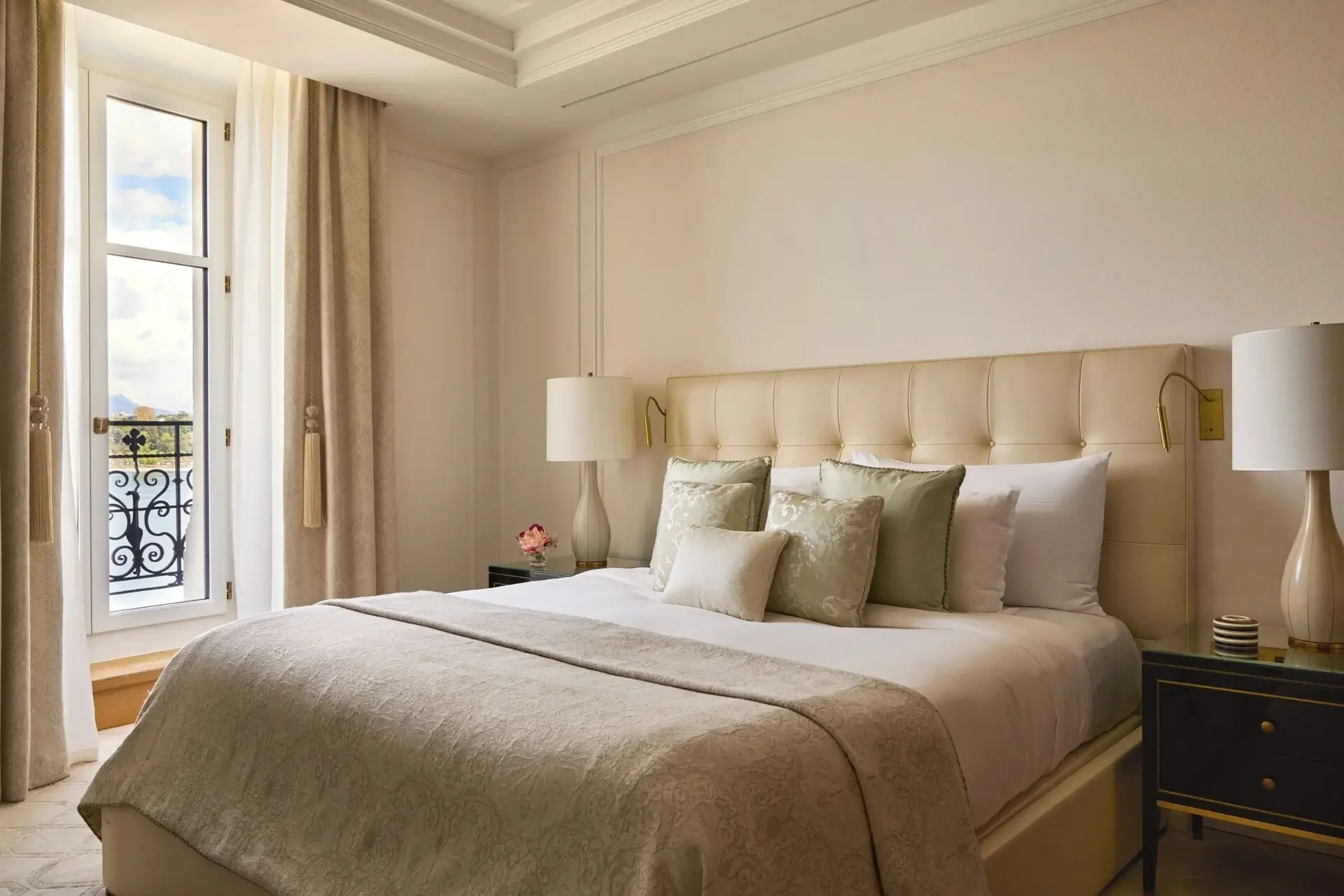
The Woodward
Geneva’s first all-suite hotel. A lakeside masterpiece featuring Michelin-starred dining and world-class Guerlain spa facilities.
Reserve Your Suite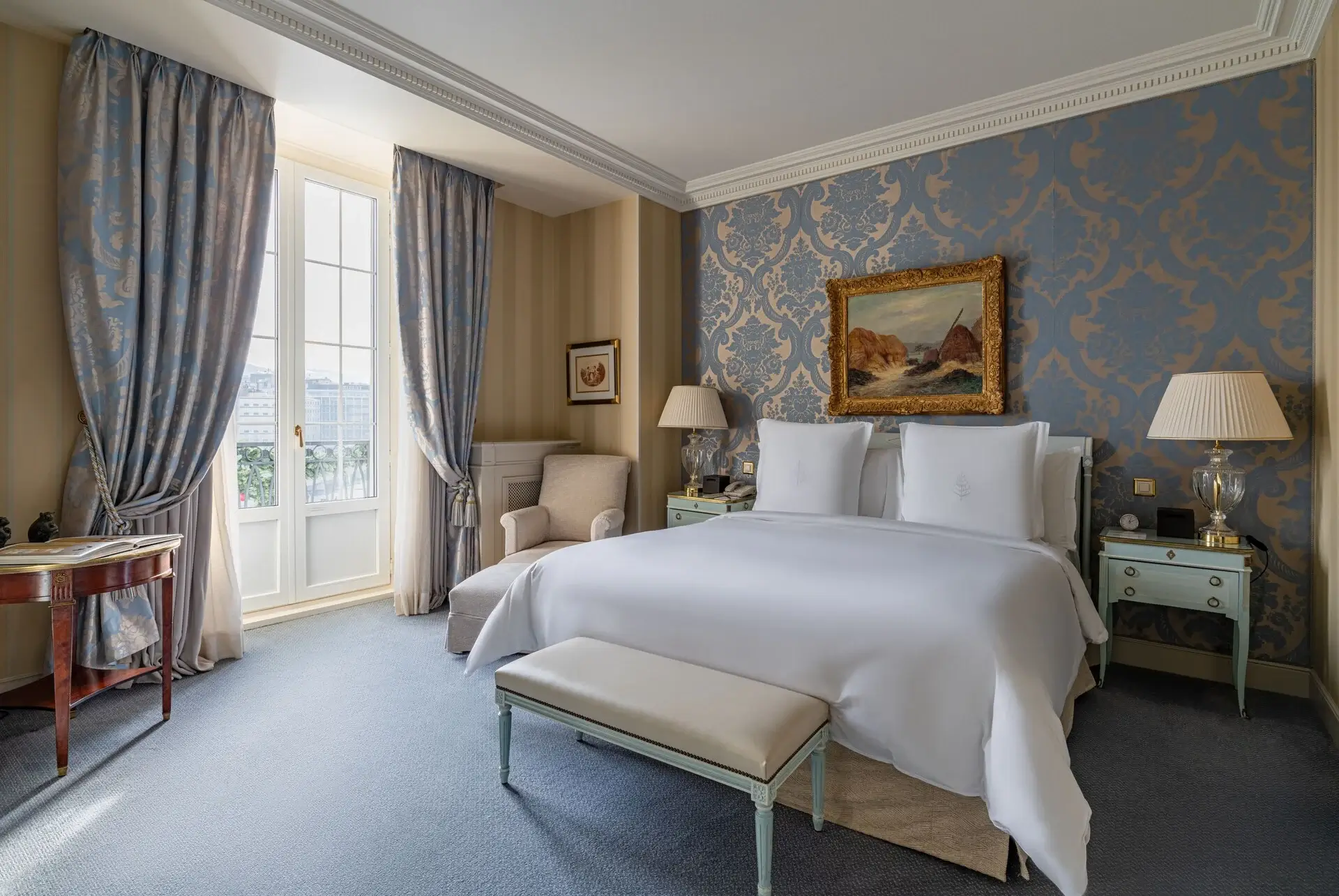
Four Seasons des Bergues
The oldest grand hotel in Geneva, blending historic elegance with panoramic views of the Jet d’Eau and the Alps.
Unlock Rates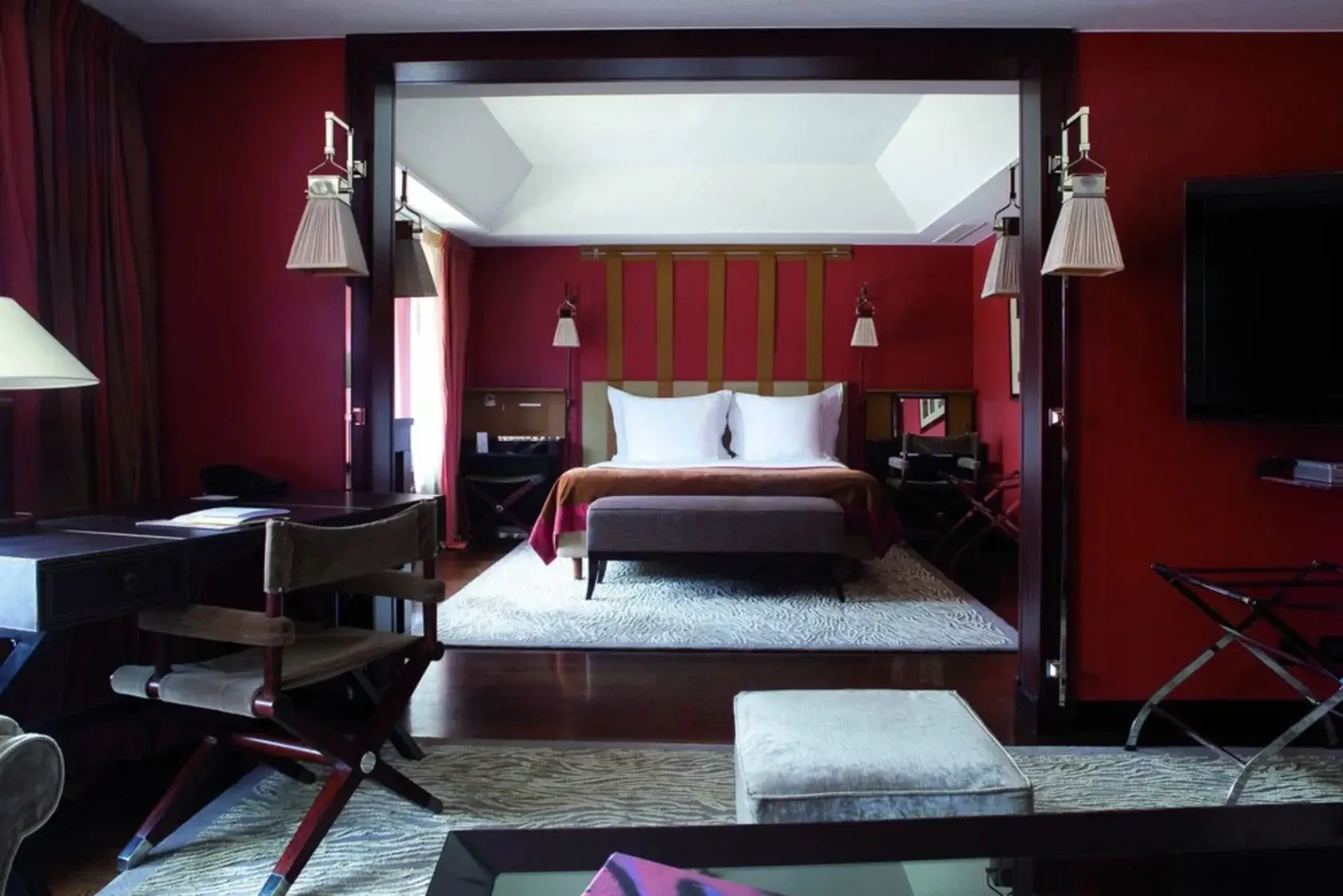
La Réserve Genève
Set within a private 10-acre park, this lakeside resort is a haven for wellness, featuring the renowned Nescens Spa.
Check AvailabilityBooking Tips & Seasonal Trends for Wellness Retreat in Switzerland
| When to Book | Booking Strategy / Tips |
|---|---|
| Winter (Dec–Mar): | Peak spa-and-ski season. Book 2–3 months ahead; expect highest prices. |
| Spring (Apr–Jun): | Shoulder season – resorts less crowded. Deals 20–30% off often available. |
| Summer (Jul–Aug): | Warm weather spa season; outdoor pools open. Moderate pricing; book early for mountain escapes. |
| Autumn (Sep–Nov): | Quiet luxury period. Best value (up to 30% discounts); spas often uncrowded. |
| Black Friday (Nov): | Major hotel deals/vouchers. Example: Lenkerhof’s 2026 Black Friday offer (CHF555 for two). |
Switzerland’s wellness resorts see clear seasonality. Winter (December to March) combines spa with ski and alpine activities, so it’s high season. To get rooms and spa treatments (massages, packages) you should book about 2–3 months in advance. In spring and autumn (shoulder seasons), many hotels lower rates by ~20–30%. These quieter periods are often the best value for a luxury spa experience. Some resorts even list “last-minute spa breaks” at discounted rates in these months.
Watch for flash sales and special promotions. Many Swiss hotels release gift voucher deals on Black Friday or Cyber Week. For example, Lenkerhof’s 2026 Black Friday deal offered a suite stay for two with breakfast and spa credit. These vouchers (often valid in the following year) can yield big savings if you plan months ahead. Also look for summer “early bird” specials or multi-night packages (e.g., “Stay 3 nights, get 1 free”) on hotel sites. Signing up for hotel newsletters or loyalty programs can alert you to unpublished spa offers.
Cancellation policies: Luxury resorts often have relatively strict policies due to high demand. However, post-2020 many hotels now offer more flexibility (free cancellation up to 1–7 days before stay) or will rebook you during quiet periods. Always check the fine print before booking. As travel plans can change, purchasing travel insurance is wise for expensive spa trips. Even if you pay a few hundred CHF extra, insurance can reimburse the bulk of prepaid costs if you need to cancel.
The Zermatt Alpine Series
Curating the pinnacle of high-altitude luxury. Discover Zermatt’s most exclusive mountain retreats and unmatched Matterhorn views.
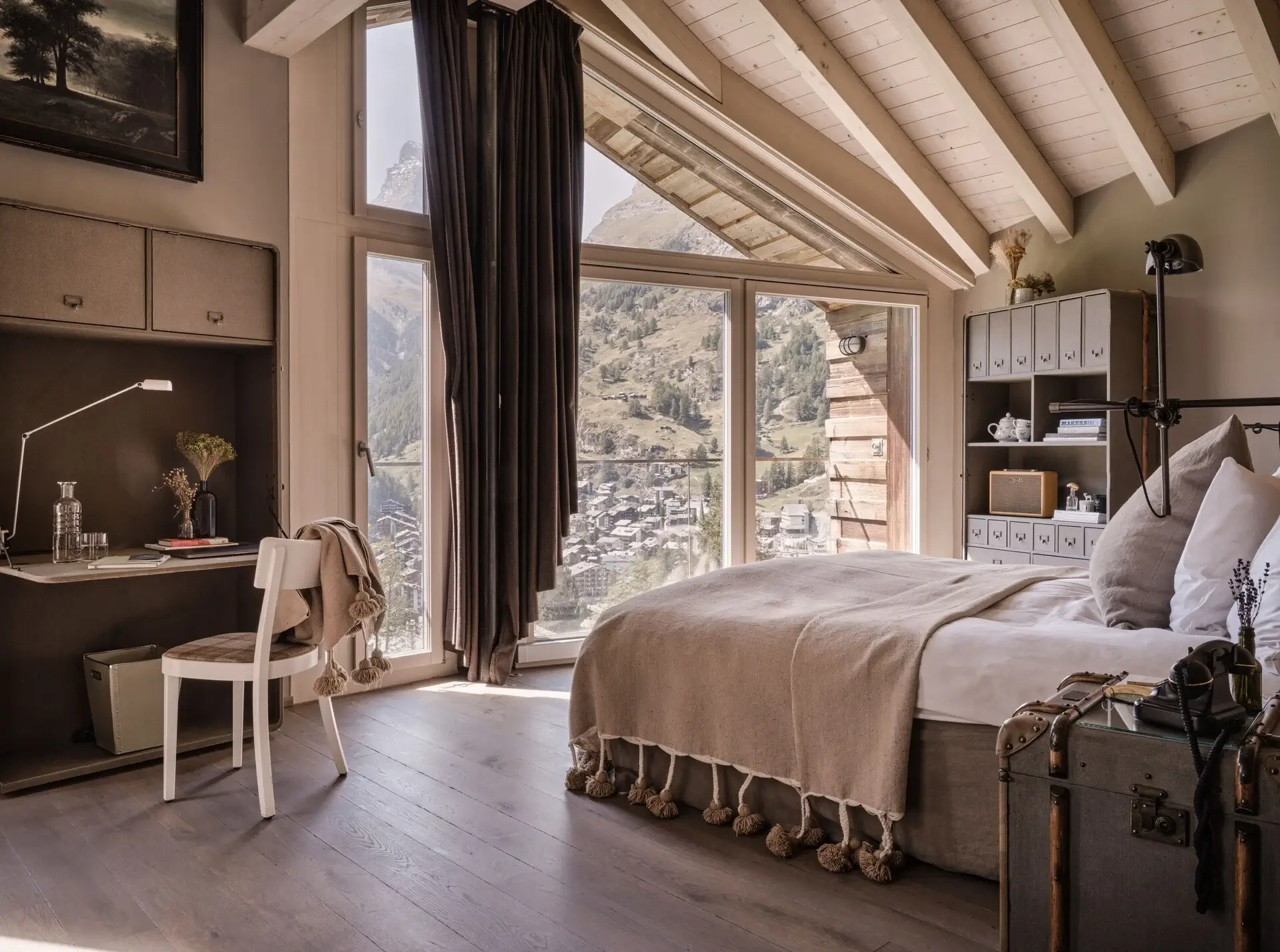
CERVO Mountain Resort
A conscious, modern retreat blending sustainable luxury with ski-in/ski-out access and breathtaking Matterhorn panoramas.
Discover CERVO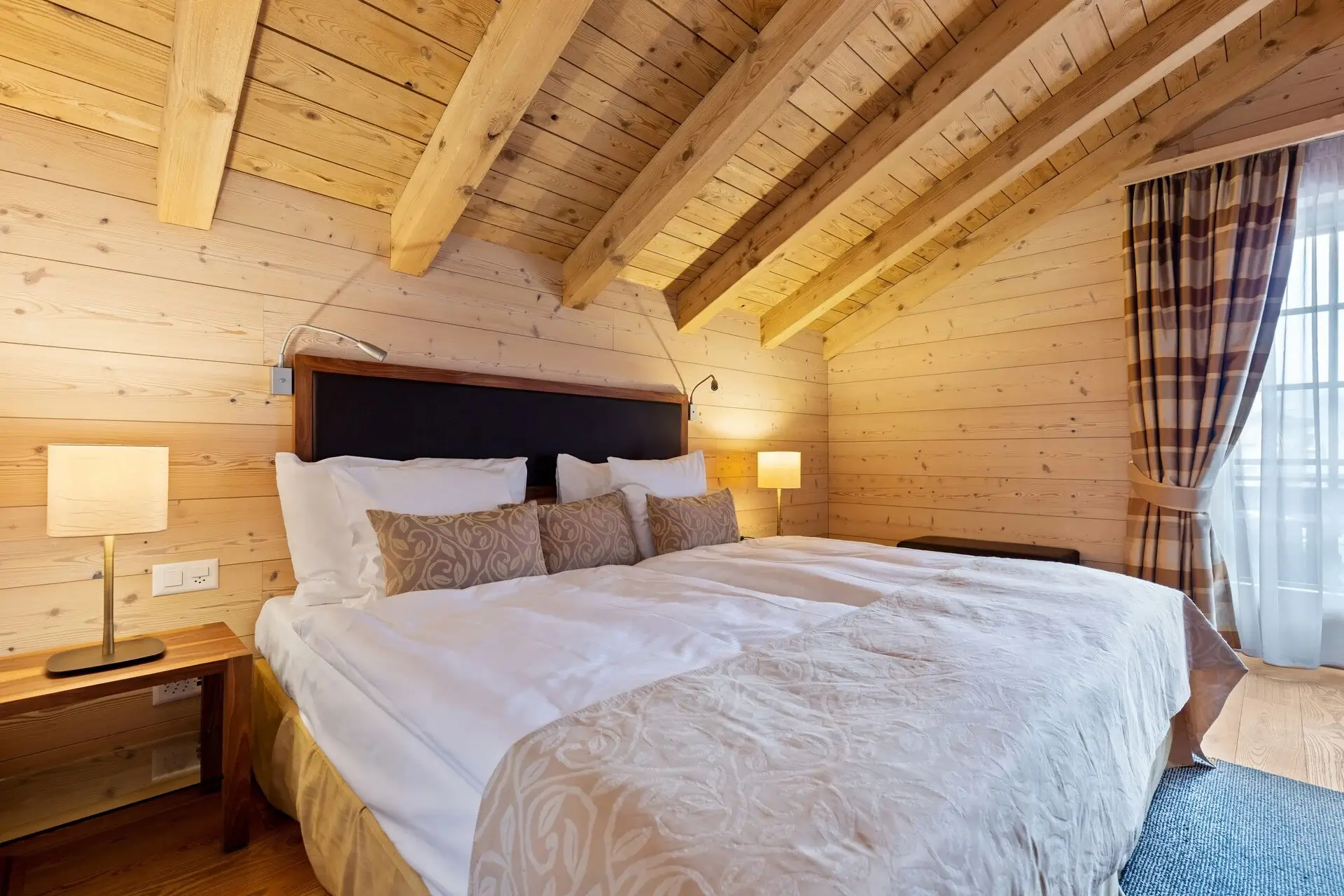
Grand Hotel Zermatterhof
A masterclass in traditional Swiss hospitality. Arrive by horse-drawn carriage to this legendary 19th-century palace.
Step Into History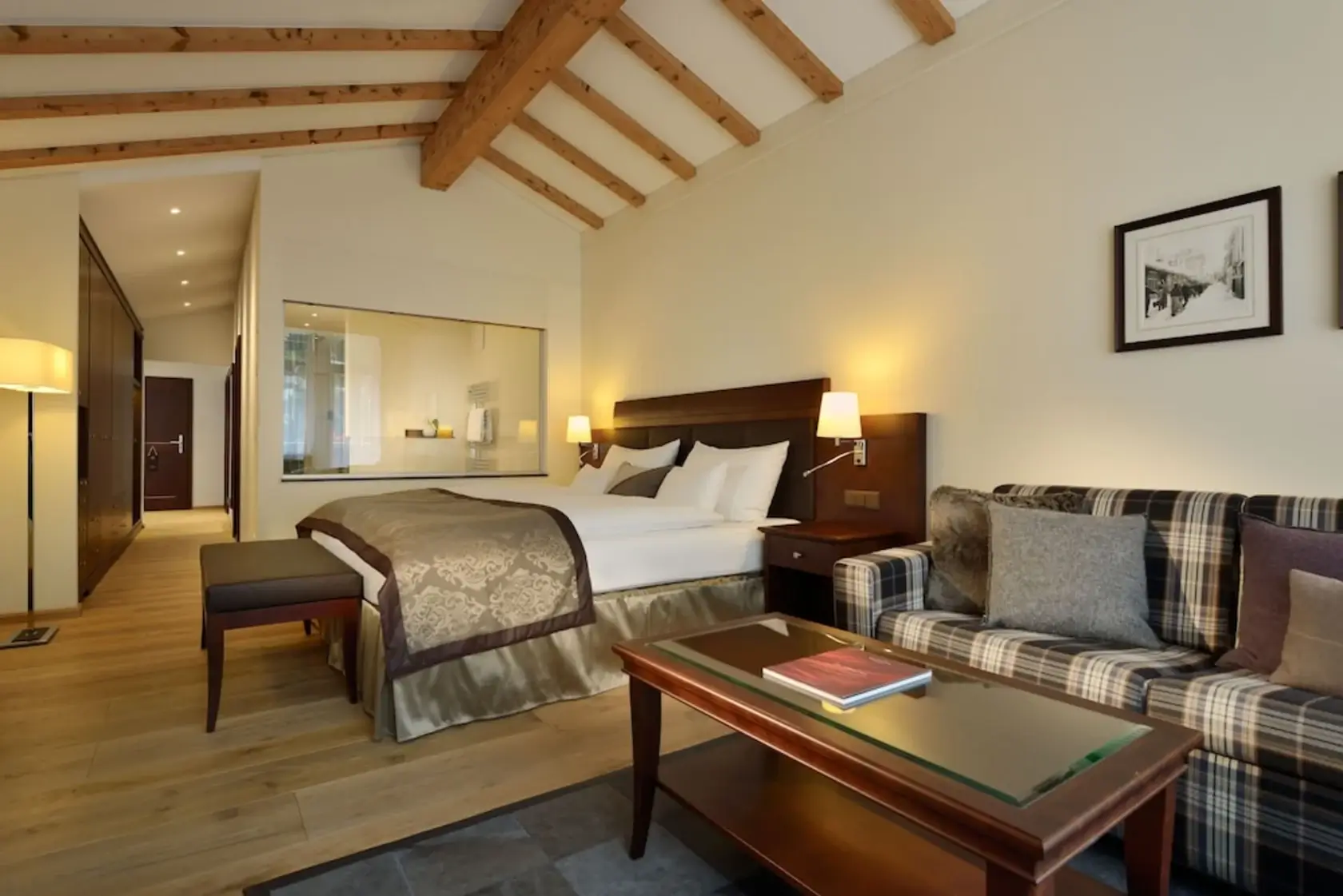
Mont Cervin Palace
A legendary member of the Leading Hotels of the World, delivering timeless Swiss charm and carriage arrivals since 1852.
Reserve the PalaceBook Flights To Switzerland
When you travel, your time and comfort are your most valuable assets. That is why we recommend bypassing the hassle and booking your premium flights directly through below widget. Known for its powerful search technology, Kiwi makes securing the perfect, high-end itinerary effortless.
Whether you are flying for a crucial business meeting or a luxury getaway, booking the right flight sets the tone for your entire trip. We always recommend prioritizing direct flights in Business or First Class. Direct routes save you hours of exhausting layovers, while premium cabins offer priority boarding, exclusive lounge access, lie-flat seats, and superior dining. You arrive at your destination refreshed, respected, and ready to go.
Ready to secure your seat? Use the search tool below to find the best premium routes. Here is exactly how to tailor your search for the ultimate travel experience:
Your Step-by-Step Guide to Booking
1. Choose Your Journey Type Start by selecting either a One-way or Return trip at the top of the search box.
2. Upgrade Your Experience (Crucial Step) Click the cabin class dropdown and select Business Class or First Class. Skip the economy section—investing in a premium cabin ensures you get the exceptional service, extra space, and luxurious amenities you deserve from takeoff to touchdown.
3. Add Your Travel Companions Select the number of passengers traveling with you. Ensuring everyone is in the same premium cabin guarantees a cohesive and relaxing trip for your whole party.
4. Select Your Baggage Requirements Choose your checked and cabin baggage. A major perk of flying Business or First Class is that generous baggage allowances are almost always included, so you never have to pack light unless you want to.
5. Choose Currency: Select currency which you prefer for better understanding.
6. Enter Your Departure and Destination Input your home airport and where you are headed. Pro tip: Look for the direct flight options that populate. Direct flights dramatically reduce your travel time and minimize the risk of lost baggage or delays.
7. Search & Secure Your Flight Hit the Search button! This will instantly aggregate the best premium, direct routes available. Choose the schedule that fits your life, and complete your secure booking in just a few clicks.
Start Your Search Now:
Travel & Transport for Swiss Spa Wellness Retreat
| Transport Mode | Details / Tips |
|---|---|
| Fly to Zurich/Geneva: | Major airports with international flights. From Zurich, connect by train to Alps. |
| Swiss Rail: | The Swiss Travel Pass covers unlimited train, bus, boat (and some mountain railways) for a period. It’s ideal for hopping between Zurich, St. Moritz, Lucerne, Gstaad, etc. Many resorts are just minutes from train stations. |
| Panoramic Routes: | Consider scenic trains (e.g. Glacier Express, Bernina Express) en route to mountain resorts. |
| Car Rentals: | Renting a car offers flexibility in rural areas (e.g., Ticino), but is pricey. Roads are superb. Winter driving requires snow tires. |
| Local Transfers: | Book private taxi or hotel shuttle from nearest train station/airport. Some resorts offer limousine pickup for add’l fee. |
| Travel Insurance: | Swiss hospitals are excellent but expensive. Insurance covering trip interruption is essential. |
Getting to a Swiss spa resort is part of the journey. Most luxury spa hotels are accessible by Switzerland’s highly efficient public transport. For example, the Swiss Travel Pass gives you unlimited train, bus and boat travel. You can take a high-speed train from Zurich Airport to Davos (for Parsenn spa) or to St. Moritz (for Badrutt’s). From Geneva, trains run to Montreux (Clinique La Prairie) and even to Zermatt (Matterhorn spa resorts).
If your itinerary covers multiple regions, a 2–3 week Swiss Rail Pass is often worth the cost, since it includes boat and cable car discounts. For resorts off main lines (e.g. Lenzerheide, Engelberg), you can use regional trains with a short taxi or bus transfer. Many hotels list precise directions from station or airport on their websites.
For ultimate convenience, some travelers rent a car (mind local driving rules and winter equipment). On-site valet parking is common at spa resorts. Alternatively, arrange a hotel limousine for a hassle-free airport transfer – a luxurious start to your retreat.
Inside the 7132 Hotel in Vals: a blend of modern architecture and thermal spa luxury.
Packing & Prep: Bring swimwear for pools and thermal baths, sports clothes for gym or yoga, and hiking shoes for mountain walks. Don’t forget adaptable layers – Alpine weather can be cool even in summer. If you plan sauna visits, Swiss spa etiquette usually expects nudity in sauna areas (though many places provide towels). English is widely spoken, but learning a few German/French phrases can be handy in remote areas.
Health, Safety & Spa Etiquette in Switzerland
Switzerland is one of the safest countries for travelers, but travel insurance is still recommended because trips can be costly. As Squaremouth notes, trip cancellation coverage can reimburse non-refundable expenses on your $5-10k trip. For outdoor lovers, winter storms or avalanches can disrupt plans, so having insurance for weather delays (covers hotels or flight changes) is wise. Also insure baggage – airports like Zurich and Geneva are busy hubs where delays/thefts happen.
On health: Switzerland has top-notch healthcare, but mountain rescues are expensive. If you plan hiking or ski activities, ensure your policy includes sports coverage. Many Swiss resorts double as medical spas (e.g., Bakoder’s, or Bürgenstock’s medical services), but these are optional upgrades, not travel insurance replacements.
Local spa etiquette can differ from your home country. In German-speaking regions, saunas are typically textile-free (nudity) for all genders. Many hotels enforce SaunaStille (silence), so enjoy quietly. Towels or spa robes are worn outside the sauna only. In mixed-gender areas, bathing suits are allowed, but often not inside sauna rooms. Always check the spa rules at each hotel. Tipping is not customary for spa treatments in Switzerland (20% service is usually included), though you may round up or tip concierge/doorman a few francs for great service.
Finally, check any health entry requirements. As of 2026, pandemic restrictions in Switzerland are minimal; however some medical retreats may require COVID vaccination for health program access. Always confirm health protocols directly with the resort before booking.
Latest Travel Tales
Short reads, itineraries and travel ideas — updated regularly.
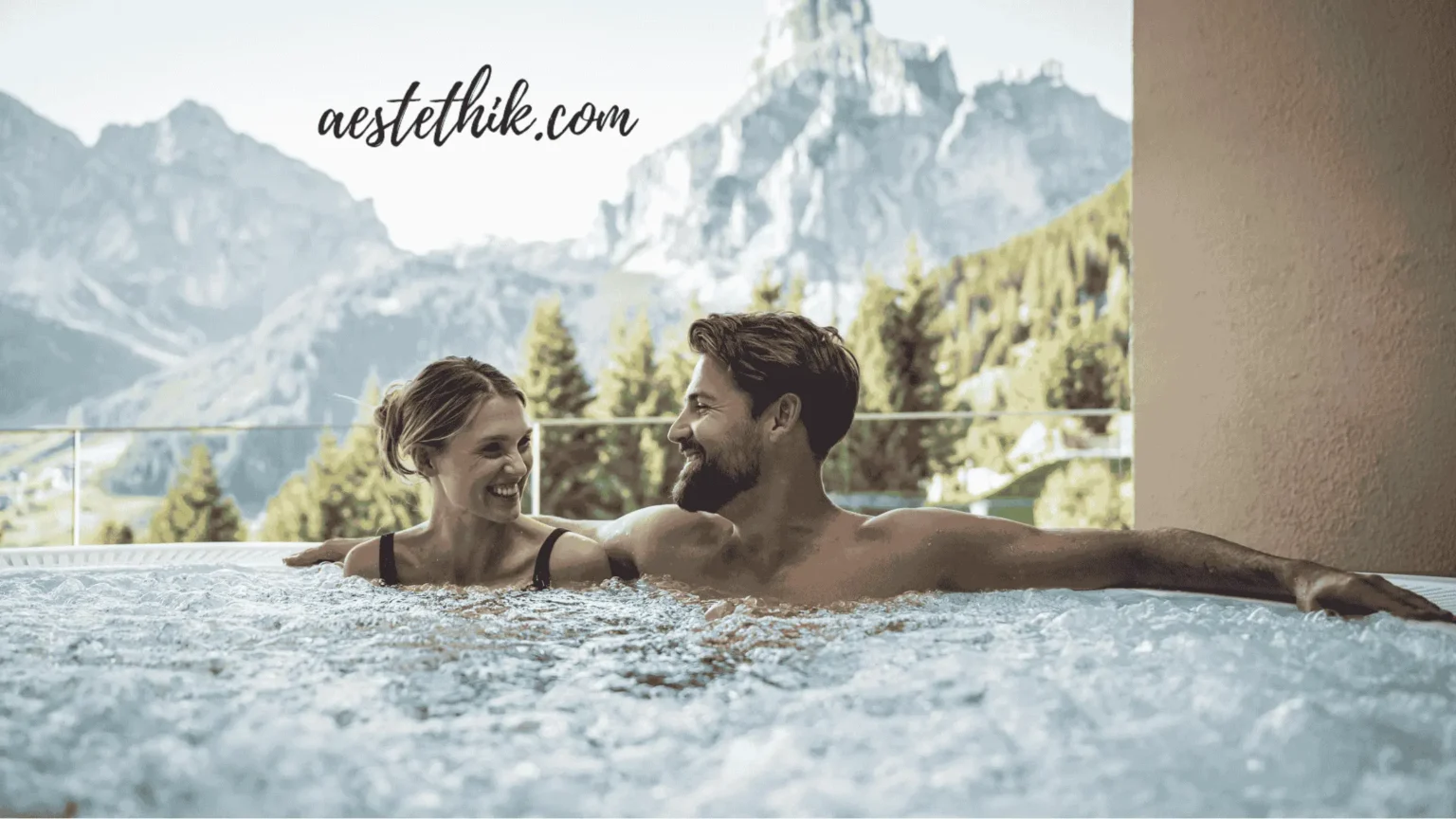
Luxury Swiss Spa Resorts — Best Wellness Retreats (2026)
Curated guide to Switzerland’s top thermal and medical spas: where to go for thermal baths, medical wellness packages, and serene alpine recovery — booking tips included.
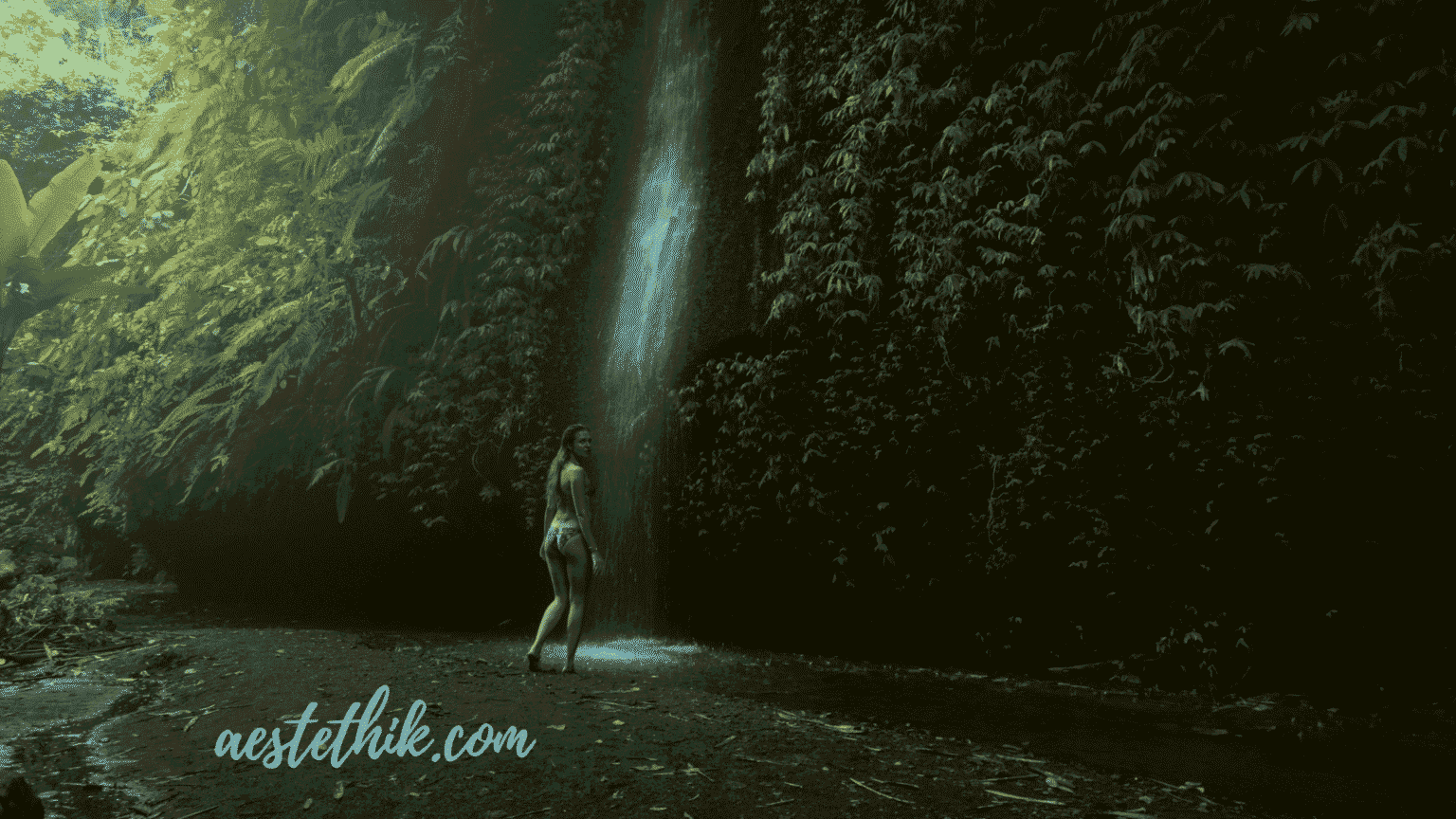
The Best Bali Retreats — An Aestethik Lens
Aestethik’s picks for restorative Bali retreats: eco-lodges, yoga sanctuaries and spa hideaways with practical booking and seasonal advice for 2025–26 travellers.
Asian Massage Therapy — The Best Easy Relaxation Art of Spa
Practical primer on top Asian massage styles, what to expect at the spa, and the best techniques to try for tension relief — ideal for first-time spa-goers.
Frequently Asked Questions | Swiss wellness & spa retreats
Practical answers for booking Swiss spa resorts: timing, costs, travel and what to pack.
When is the best time to visit a Swiss spa resort?
How far in advance should I book?
Are Swiss spa retreats very expensive?
Can I book directly with resorts? Are there packages?
What travel passes or transport should I arrange?
What should I pack for a Swiss spa retreat?
Do wellness retreats welcome solo travellers?
What if I need to cancel or change plans?
Connect with Aestethik ~ Receive Premium Stories, Tips & Guides for FREE!
Connect with us on LinkedIn, YouTube, Instagram, Facebook and Pinterest. Join now ⟶