
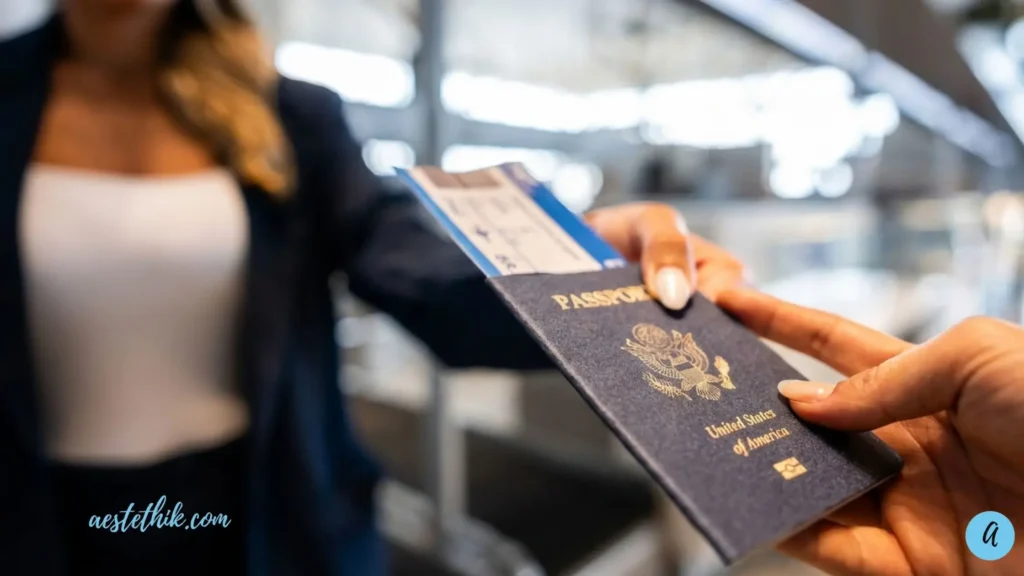
#1 position in the 2026 Global Passport Rankings for the third consecutive year, providing visa-free access to 192 destinations. The United Arab Emirates emerges as the most improved passport of the decade, climbing from 38th to 5th place globally through active diplomatic liberalization and strategic openness.
At a glance | 2026 Global Passport Index: Mobility as an Asset
- The Asian Hegemony: Singapore, Japan, and South Korea consolidate the top tier, reflecting the “Asian Century” of diplomatic and economic leverage.
- UAE Diplomacy: The Emirates climb to 5th globally (184 destinations)—the highest velocity of growth recorded in the index’s history.
- Caribbean Reset: Transactional “buying” has ended; a harmonized $200k-$250k price floor and mandatory interviews define 2026 compliance.
- The ETIAS Factor: Visa-exempt travelers to the EU must now secure the €20 authorization—a tripled fee effective late-2026.
- Strategic Hedge: HNW individuals are shifting from “vanity counts” to Tier-B residence platforms (Paraguay/Panama) for fiscal optimization.
This guide dissects the 2026 Henley-style data, isolates the practical avenues for diversifying your sovereign portfolio, and translates the rankings into tactical steps for the coming year. We also provide a granular comparison of the surviving Citizenship-by-Investment (CBI) programs following the regulatory overhauls of 2024–2025.
Is Singapore Still the World’s Most Powerful Passport?
The short answer: Yes. Singapore holds the #1 spot, unlocking 192 destinations.
However, the “why” is more important than the number. Singapore’s dominance is not a result of historical legacy, but of technocratic efficiency. It is the product of decades of steady diplomacy, strict reciprocity, and perceived internal stability.
Singapore’s advantage is structural: diplomatic neutrality, predictable policy, and careful bilateral negotiation. The result is a travel document that functions like a global master key—reducing friction for business expansion, Ivy League education access, and personal security. For those who view mobility as an instrument of risk management, obtaining Singaporean citizenship (notoriously difficult via naturalization) represents the gold standard of balance-sheet optimization.
Why this matters: Passport power now directly correlates with market access. When a passport opens 192 doors versus 150, that differential represents forty markets where your competitors face friction and you do not.
The Great Divergence: The 2026 Mobility Gap
The chasm between the world’s most and least powerful passports has calcified. In 2006, the gap was 118 destinations. In 2026, it approaches 170.
This divergence reflects a new era of “Geopolitical Consolidation.” Nations are forming tighter trusted-traveler blocs. The EU/Schengen zone, the UK, and the US have hardened their digital borders, while the Global South is engaging in selective openness to attract capital.
If you hold a Tier B or C passport, this gap translates to lost commercial opportunity and enhanced immigration risk. For the HNW individual, the inability to move capital or family members instantly during a crisis is an unacceptable failure point in lifestyle planning.
While Western passports have plateaued in relative terms due to reciprocity disputes, the Gulf nations—specifically the United Arab Emirates—have executed a masterclass in soft power, rocketing up the index through aggressive economic openness.
The 2026 Global Passport Ranking Index
(Access counts aggregated across 227 tracked destinations including Visa-Free, Visa-on-Arrival, and eTA).
| 2026 Rank | Country | Visa-Free Score | Access % |
| 1 | Singapore | 192 | 84.6% |
| 2 | Japan, South Korea | 188 | 82.8% |
| 3 | Denmark, Luxembourg, Spain, Sweden, Switzerland | 186 | 81.9% |
| 4 | Austria, Belgium, Finland, France, Germany, Greece, Ireland, Italy, Netherlands, Norway | 185 | 81.5% |
| 5 | Hungary, Portugal, Slovakia, Slovenia, United Arab Emirates | 184 | 81.1% |
| 6 | Croatia, Czech Republic, Estonia, Malta, New Zealand, Poland | 183 | 80.6% |
| 7 | Australia, Latvia, Liechtenstein, United Kingdom | 182 | 80.2% |
| 8 | Canada, Iceland, Lithuania | 181 | 79.7% |
| 9 | Malaysia | 180 | 79.3% |
| 10 | United States | 179 | 78.9% |
| 11 | Bulgaria, Romania | 178 | 78.4% |
| 12 | Monaco | 177 | 78.0% |
| 13 | Chile | 175 | 77.1% |
| 14 | Cyprus | 174 | 76.7% |
| 15 | Andorra, Hong Kong (SAR China) | 171 | 75.3% |
| 16 | Argentina, Brazil | 169 | 74.4% |
| 17 | San Marino | 168 | 74.0% |
| 18 | Israel | 165 | 72.7% |
| 19 | Barbados, Brunei | 162 | 71.4% |
| 20 | The Bahamas | 158 | 69.6% |
| 21 | Mexico | 157 | 69.2% |
| 22 | St. Vincent and the Grenadines, Uruguay | 156 | 68.7% |
| 23 | St. Kitts and Nevis | 155 | 68.3% |
| 24 | Antigua and Barbuda, Seychelles | 154 | 67.8% |
| 25 | Vatican City | 152 | 67.0% |
| 26 | Costa Rica, Panama | 148 | 65.2% |
| 27 | Grenada, Mauritius | 147 | 64.8% |
| 28 | Trinidad and Tobago | 146 | 64.3% |
| 29 | Dominica, Paraguay, St. Lucia | 145 | 63.9% |
| 30 | Ukraine | 143 | 63.0% |
| 31 | Peru | 142 | 62.6% |
| 32 | Macao (SAR China) | 141 | 62.1% |
| 33 | Taiwan (Chinese Taipei) | 139 | 61.2% |
| 34 | Serbia | 136 | 59.9% |
| 35 | El Salvador, Guatemala | 132 | 58.1% |
| 36 | Solomon Islands | 131 | 57.7% |
| 37 | Colombia, Honduras | 130 | 57.3% |
| 38 | Marshall Islands, Montenegro, North Macedonia | 128 | 56.4% |
| 39 | Samoa, Tonga | 127 | 55.9% |
| 40 | Nicaragua | 125 | 55.1% |
| 41 | Tuvalu | 124 | 54.6% |
| 42 | Bosnia and Herzegovina, Georgia | 122 | 53.7% |
| 43 | Albania, Kiribati | 121 | 53.3% |
| 44 | Moldova, Micronesia, Palau Islands | 120 | 52.9% |
| 45 | Venezuela | 118 | 52.0% |
| 46 | Russian Federation, Türkiye | 113 | 49.8% |
| 47 | Qatar | 111 | 48.9% |
| 48 | South Africa | 101 | 44.5% |
| 49 | Belize | 99 | 43.6% |
| 50 | Kuwait | 96 | 42.3% |
| 51 | Ecuador, Timor-Leste | 94 | 41.4% |
| 52 | Maldives | 92 | 40.5% |
| 53 | Vanuatu | 89 | 39.2% |
| 54 | Fiji, Guyana, Saudi Arabia | 88 | 38.8% |
| 55 | Bahrain | 87 | 38.3% |
| 56 | Jamaica | 86 | 37.9% |
| 57 | Nauru | 85 | 37.4% |
| 58 | Oman, Papua New Guinea | 83 | 36.6% |
| 59 | Botswana, China, Kosovo | 81 | 35.7% |
| 60 | Belarus, Thailand | 79 | 34.8% |
| 61 | Bolivia, Kazakhstan, Suriname | 78 | 34.4% |
| 62 | Namibia | 76 | 33.5% |
| 63 | Lesotho | 74 | 32.6% |
| 64 | Indonesia | 73 | 32.2% |
| 65 | Dominican Republic, Morocco, eSwatini | 72 | 31.7% |
| 66 | Malawi | 71 | 31.3% |
| 67 | Azerbaijan | 70 | 30.8% |
| 68 | Kenya, The Gambia | 69 | 30.4% |
| 69 | Ghana, Tanzania | 68 | 30.0% |
| 70 | Benin, Rwanda, Tunisia | 67 | 29.5% |
| 71 | Armenia, Uganda | 66 | 29.1% |
| 72 | Cape Verde Islands, Zambia | 65 | 28.6% |
| 73 | Mongolia, Philippines | 64 | 28.2% |
| 74 | Sierra Leone, Zimbabwe | 62 | 27.3% |
| 75 | Kyrgyzstan, Uzbekistan | 61 | 26.9% |
| 76 | Mozambique, São Tomé and Príncipe | 60 | 26.4% |
| 77 | Cuba, Togo | 58 | 25.6% |
| 78 | Burkina Faso, Côte d’Ivoire, Gabon, Madagascar | 57 | 25.1% |
| 79 | Mauritania, Senegal | 56 | 24.7% |
| 80 | Algeria, India, Niger | 55 | 24.2% |
| 81 | Equatorial Guinea, Guinea | 54 | 23.8% |
| 82 | Tajikistan | 53 | 23.3% |
| 83 | Chad | 52 | 22.9% |
| 84 | Comoro Islands, Mali | 51 | 22.5% |
| 85 | Bhutan, Jordan | 50 | 22.0% |
| 86 | Angola, Burundi, Central African Republic, Egypt, Haiti, Liberia | 49 | 21.6% |
| 87 | Cameroon, Congo (Rep.), Laos, Turkmenistan | 47 | 20.7% |
| 88 | Djibouti | 46 | 20.3% |
| 89 | Myanmar | 44 | 19.4% |
| 90 | Congo (Dem. Rep.), Ethiopia, Nigeria | 43 | 18.9% |
| 91 | Lebanon, South Sudan | 41 | 18.1% |
| 92 | Iran, Sudan | 40 | 17.6% |
| 93 | Libya, Sri Lanka | 39 | 17.2% |
| 94 | Eritrea, North Korea, Palestinian Territory | 38 | 16.7% |
| 95 | Bangladesh | 37 | 16.3% |
| 96 | Nepal | 35 | 15.4% |
| 97 | Somalia | 33 | 14.5% |
| 98 | Pakistan | 31 | 13.7% |
| 99 | Yemen, Iraq | 29 | 12.8% |
| 100 | Syria | 26 | 11.5% |
| 101 | Afghanistan | 24 | 10.6% |
Note: Use this table for diplomatic planning. A “Visa-Free” score implies access without consular adjudication, though electronic authorizations (ETAs) are increasingly required.
The End of Transactional Citizenship: Are “Golden Passports” Still Viable?
The landscape of Citizenship-by-Investment (CBI) has undergone a structural reset. The era of purely transactional, cash-for-passport deals is effectively over. Following pressure from the EU and US, the Caribbean Five (St. Kitts & Nevis, Dominica, Antigua & Barbuda, Grenada, St. Lucia) implemented a strict price floor and enhanced “Genuine Link” protocols.
The programs remain viable, but they are now premium products. Costs have risen, and vetting has intensified. We are seeing a shift toward “Citizenship by Contribution” rather than simple purchase.
The 2026 CBI Matrix: A Comparative Analysis
| Program | Min. Capital Outlay (Approx.) | Key Condition | Unique Strategic Advantage |
| St. Kitts & Nevis | $250k (SISC) + Fees | Mandatory Interview & Vetting | The “Platinum Brand.” Highest recognition in banking compliance. |
| Malta (MEIN) | €600k–€750k + Prop. (Total ~€1.3m+) | 12–36 Month Residency | The only direct path to Tier-1 EU Citizenship. |
| Türkiye | $400k (Real Estate) | 3-Year Hold; Rayiç Bedel Eval. | E-2 Visa Treaty with USA; Massive domestic economy. |
| Dominica | $200k (Donation) | Enhanced Due Diligence | Lowest direct entry cost (tied) for a Schengen-access passport. |
| Antigua & Barbuda | $230k (Family of 4) | 5-Day Physical Presence | Best value for families; distinct UWI Fund option. |
Editorial Verdicts: Selecting Your Sovereign Insurance
St. Kitts & Nevis
- The Play: You are a high-profile executive requiring speed and unquestioned legitimacy. You accept the $250,000 price tag as the cost of premium reputation management.
- The Caveat: The “Genuine Link” is real. Expect thorough background checks that scrutinize Source of Wealth (SoW) deeply.
Malta (Naturalisation for Exceptional Services)
- The Play: You seek the Holy Grail—full settlement rights in 27 EU countries. This is for the ultra-high-net-worth individual (UHNWI) who views €1.5 million not as a cost, but as an endowment for generational European access.
- The Caveat: It is not fast. The 12-to-36-month residency phase is strictly monitored. You must build a life in Malta before you become a citizen.
Türkiye
- The Play: A hybrid investment. You acquire a hard asset (Istanbul real estate) and a passport that bridges the East-West divide, with a potential backdoor to the US via the E-2 Investor Visa.
- The Caveat: The Lira’s volatility requires savvy property selection. Ensure your valuation (Rayiç Bedel) matches the $400k requirement exactly.
Dominica
- The Play: Pure efficiency. For the cost-conscious investor who values a straightforward donation model without complex real estate encumbrances.
- The Caveat: No path to EU residency, only travel. Best used as a secondary travel document rather than a primary identity replacement.
Sensory Note: The Shift in Basseterre
On arrival at a Caribbean processing center in 2026, the atmosphere has shifted. The frenetic energy of the “volume years” is gone, replaced by a measured administrative choreography. The air conditioning hums at a steady 22 degrees; the officials speak in low, precise tones. The rustle of stamped documents and the faint scent of salt air entering from the harbor remain, but the process now demands a deliberate presence. It feels less like a transaction at a counter and more like an initiation into a private club.
Regional Dynamics: Shifting Centers of Gravity
Asia: The New Axis
Japan, Singapore, and South Korea have cemented their dominance. Malaysia’s upward trajectory—now a solid Tier-A passport—reflects the region’s economic integration. Asia is no longer just a destination for capital; it is the anchor of global mobility.
Europe: The Fortress Digital
The “Digital Perimeter” is complete. The UK ETA is fully enforced, and the Schengen Area’s ETIAS is in its operational phase. While a European passport provides raw access, the “friction” for non-holders has increased. The days of spontaneous, document-free entry to Europe are ending for non-EU nationals.
The Americas: Isolation vs. Utility
The US passport remains powerful but increasingly scrutinized on reciprocity. Conversely, Latin American passports (Chile, Argentina, Brazil) remain the “Sleeping Giants” of the index—offering immense travel value, including access to Russia and China, often unavailable to Western nationals.
The “Tier B” Strategy: Tax Residency & Lifestyle Hedges
Not every passport needs to be a global key. A “Tier B” residence often provides better tax efficiency than a “Tier A” citizenship.
Paraguay: The Fiscal Pragmatist
- Why it works: Territorial tax systems are an endangered species, but Paraguay holds the line. Foreign income remains generally tax-exempt.
- The Deal: Low entry costs (approx. $5k deposit) and a 5-year path to naturalization. It is unglamorous, highly functional, and legally robust.
Panama: The Western Hub
- Why it works: A dollarized economy with sophisticated banking. The “Friendly Nations Visa” remains the premier option for setting up a Western Hemisphere HQ.
- The Deal: Immediate permanent residency with a path to citizenship, though naturalization speeds can be inconsistent.
UAE Golden Visa: The Wealth Magnet
- Why it works: It is not citizenship, but for many, it is better. A 10-year renewable residency with 0% personal income tax, world-class healthcare, and proximity to emerging markets.
- The Deal: Real estate investment (approx. $550k) or deposit. It is the ultimate “Portfolio Residence” for the global citizen who does not wish to renounce their home nationality but requires a tax-efficient base.
Methodology: Trusting the Data
The Henley-style index is a measure of diplomatic trust. The scoring is binary:
- 1 Point: Visa-free, Visa-on-Arrival (VOA), or ETA (Electronic Travel Authority).
- 0 Points: Consular Visa required pre-departure.
However, the Aestethik view adds a qualitative layer: Reliability. A passport that offers visa-free access but is subject to frequent political revocation (e.g., certain volatile states) is less valuable than a stable passport with slightly fewer destinations. We weigh “Systemic Stability” heavily in our recommendations.
7 Key Takeaways
- Diversify diplomatic exposure: Treat passports as strategic assets rather than singular identities. For HNWIs, a mix of Tier-A (mobility) and Tier-B (tax & lifestyle) solutions is prudent.
- Substance matters: 2026 marks the shift from cash-only CBI to residency, merit, and genuine-link requirements. Speed still exists, but at higher reputational cost.
- Digitize your travel workflow: Electronic travel authorizations (UK ETA, ETIAS) are now part of the plan; factor them into scheduling and compliance.
- Tax and lifestyle optimization works: Paraguay and Panama remain efficient territorial tax platforms; the UAE is essential for zero-tax residency and family migration.
- Use the index tactically: Don’t chase raw counts alone — map rankings to market access, education, banking, and emergency relocation corridors.
- The Price Floor is Real: The sub-$100k citizenship option is dead. Budget a minimum of $200k–$250k for credible Caribbean options.
- Asia is the new Anchor: For business mobility, an Asian residency or passport (if accessible) provides the strongest hedge against Western geopolitical friction.
Recommended Travel Tales
Curated guides for luxury wellness, smart stays, and budget hacks.

The 7 Best Luxury Wellness & Spa Resorts in Switzerland
Indulge in the pinnacle of alpine relaxation. From thermal baths with mountain views to world-class holistic treatments at Switzerland’s most elite resorts.

Hotel vs Airbnb 2026 | Best For Weekend, Business & Loyalty
Choosing the right stay in 2026. We compare hotel loyalty perks and concierge service against the local immersion and space of premium Airbnb rentals.

Biohacking Retreats 2026: Best Longevity Travel in EU & Asia
The definitive 2026 guide to biohacking retreats. Discover top longevity clinics in Europe and Asia, costs, technologies, and expert-backed travel itineraries.
Frequently Asked Questions: Global Mobility & Passports 2026
Concise answers on passport rankings, citizenship-by-investment, digital travel authorisations and tax-friendly residencies.
Which country has the world’s most powerful passport in 2026?
How much does a second passport cost through investment in 2026?
Can I still buy a St. Kitts passport in 2026?
What is the ETIAS, and will Americans need it in 2026?
Is a Golden Visa the same as citizenship?
What is the most improved passport of the last 20 years?
Does the UK require a visa for Americans in 2026?
How long does it take to get Turkish citizenship by investment?
Can I get 0% tax by moving to Paraguay or Panama?
What is the minimum real estate investment for a UAE Golden Visa?
Global Passport Ranking Index 2026 | Official Passport Power
The official 2026 index of passport power: compare visa-free scores, observe regional mobility trends, and explore current citizenship-by-investment options that matter for global mobility and asset protection.
Connect with Aestethik | Receive Premium Stories, Tips & Guides for FREE!
Connect with us on LinkedIn, YouTube, Instagram, Facebook and Pinterest. Join now ⟶