
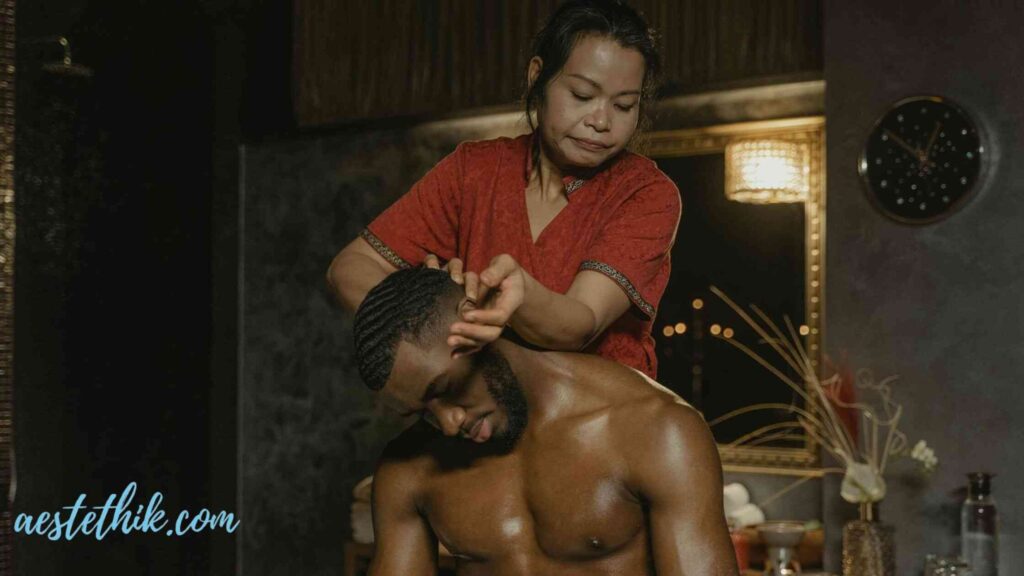
Short Answer: Asian massage is a holistic therapeutic practice utilizing pressure points, assisted stretching, and energy balancing to restore physical vitality and mental clarity in 2026.
At a Glance
- Core Styles: Shiatsu, Thai, Tui Na, Balinese, and Ayurvedic Abhyanga.
- Primary Benefits: Stress reduction, improved circulation, and increased flexibility.
- Typical Cost: $90–$160 per 60-minute session (example estimate).
- Pro Tip: Hydrate thoroughly before the session to assist with detoxification.
Modern lifestyles often necessitate a deliberate pause to recalibrate the nervous system. Asian massage offers more than simple physical relief; it represents a comprehensive approach to life balance rooted in centuries of medical tradition. Unlike Western modalities that often focus solely on muscle manipulation, Eastern practices operate on the concept that physical health and mental peace are intrinsically connected.
By applying directed pressure to active energy points, these therapies target deep-seated tension and exhaustion. Whether seeking the invigorating stretches of Thai massage or the soothing oils of Ayurveda, understanding the nuances of these techniques is the first step toward genuine rejuvenation.
Explore The Techniques | Five distinct pillars of Eastern bodywork.
Asian massage encompasses a diverse range of modalities, each with unique cultural roots and therapeutic goals. While they share a holistic philosophy, the application varies significantly.
Comparison of Major Asian Massage Styles
| Technique | Origin | Key Method | Best For |
|---|---|---|---|
| Shiatsu | Japan | Rhythmic finger pressure | Energy balancing & stress |
| Thai | Thailand | Assisted yoga & stretching | Flexibility & mobility |
| Tui Na | China | Meridian manipulation | Qi flow & pain relief |
| Balinese | Indonesia | Aromatherapy & kneading | Deep relaxation |
| Abhyanga | India | Warm herbal oil | Detoxification & nervous system |
Shiatsu: Japanese Finger Pressure
Originating in Japan, Shiatsu distinguishes itself through the absence of oils and the use of rhythmic pressure. Practitioners utilize palms, fingers, and thumbs to stimulate specific points along the body’s meridians. This technique aims to harmonize the body’s energy flow, known as Ki, promoting a state of “relaxed alertness” according to Japanese bodywork associations. It is particularly effective for relieving tension without the need for disrobing, as it is often performed on a floor mat with the client fully clothed.
Thai Massage: The “Lazy Yoga”
Thai massage is a dynamic integration of acupressure and assisted yoga postures. Rather than simply rubbing muscles, the therapist guides the body into various stretches to relieve tension and enhance range of motion. This active form of bodywork compresses muscles and mobilizes joints, creating an invigorating experience that boosts energy levels.
Tui Na: Balancing Qi
Deeply rooted in Traditional Chinese Medicine (TCM), Tui Na focuses on balancing Qi (life force). Therapists manipulate the meridian channels using kneading, tapping, and pulling techniques. It is designed to address specific disharmonies within the body, offering a vigorous approach to reducing pain and improving overall wellness.
Balinese Massage: Indonesian Serenity
Drawing from Indonesian healing rites, Balinese massage is characterized by its use of aromatic oils and fluid, long strokes. It combines acupressure with skin rolling and percussion to soothe muscle tissue. The sensory experience is heightened by the use of essential oils like jasmine or frangipani, making it ideal for mental relaxation.
Ayurvedic Abhyanga: The Oil Ritual
Abhyanga is a cornerstone of Indian Ayurveda, involving the liberal application of warm herbal oils. The massage relies on long, rhythmic strokes to aid in detoxification and nourish the skin. It is specifically designed to pacify the nervous system and restore balance to the body’s elemental energies, or dhatus.
Explore Spa Selection | How to vet facilities for safety and authenticity.
Selecting the right environment is crucial for ensuring a safe and therapeutic experience. Not all spas adhere to the same standards of hygiene or training.
Research and Credentials
Prioritize facilities that explicitly state their therapists’ certifications. A qualified practitioner should have specialized training in specific Asian modalities, not just general massage. Reading recent client feedback on independent platforms can verify the consistency of service quality.
Hygiene and Ambiance
A visit to the location prior to booking can reveal important details about cleanliness. A reputable spa will maintain a pristine environment, from the reception area to the treatment rooms. The ambiance should immediately induce a sense of calm; noise pollution or clutter are red flags for a subpar experience.
Communication is Key
Professional therapists must possess strong communication skills. They should listen to concerns regarding injury or tension areas and tailor the session accordingly. If a therapist does not inquire about your health history or comfort levels, it is a sign to seek treatment elsewhere.
Explore DIY Methods | Simple home practices for immediate relief.
While professional treatment is ideal, simple techniques can be adapted for home use to maintain relaxation between sessions.
- Effleurage: Use long, gliding strokes with the palms to warm up muscle tissue and encourage circulation.
- Pressure Point Work: Apply firm, static pressure to tension spots in the neck or shoulders for 10–15 seconds to trigger release.
- Stretching: Incorporate gentle neck and back stretches, holding each for 15 seconds to improve flexibility.
- Tools: Utilize foam rollers or warm stones to mimic the pressure of a therapist’s hands.
Safety Note: Avoid applying direct pressure to the spine or joints. If sharp pain occurs, cease the activity immediately.
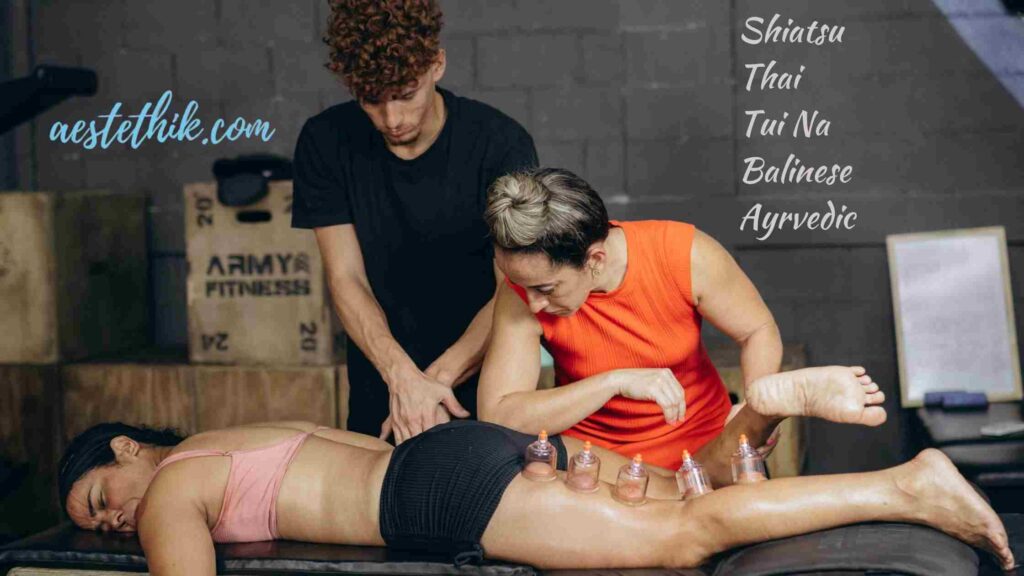
Explore The Benefits | Why this therapy supports longevity.
Regular Asian massage offers cumulative health advantages that extend beyond the treatment room.
Stress Reduction and Mental Clarity
In a high-speed world, these therapies provide a sanctuary for mental decompression. The reduction of cortisol levels during massage fosters emotional stability and a calmer outlook. This mental reset is essential for combating chronic stress.
Physical Resilience
For those with sedentary lifestyles, massage combats muscle atrophy and stiffness. Techniques like Thai massage specifically target flexibility, keeping the joints mobile and reducing the risk of injury. Improved blood circulation ensures that oxygen and nutrients are efficiently delivered to tissues, aiding in faster recovery from physical exertion.
Practical Playbook & Booking Tips
72 Hours Before:
- Hydrate: Increase water intake to prepare muscles for manipulation.
- Research: Verify spa reviews and therapist certifications.
24 Hours Before:
- Eat Lightly: Avoid heavy meals 2 hours prior to the appointment.
- Communicate: Inform the spa of any specific medical conditions or preferences.
During the Session:
- Breathe: Deep breathing helps muscles relax and accepts the pressure.
- Feedback: Immediately inform the therapist if pressure is too intense.
Post-Session Care:
- Flush Toxins: Drink ample water to help the body process metabolic waste released during massage.
- Rest: Avoid strenuous exercise for the remainder of the day.
Pricing & Booking Notes
- Standard Session (60 min): $90 – $140 (example estimate).
- Premium Resort Spa: $180 – $250+ (example estimate).
- Add-ons: Aromatherapy or hot stones may add $20–$30.
- Tipping: Standard gratuity is 15–20% of the service price in many regions.
Key Takeaways
- Holistic Health: Asian massage treats the mind and body as an interconnected unit.
- Diverse Methods: Choose Thai for flexibility, Shiatsu for energy, or Abhyanga for detox.
- Vetting Matters: Always check credentials and hygiene standards before booking a spa.
- Home Care: Simple stretching and pressure point techniques can extend benefits between visits.
- Longevity: Regular sessions contribute to long-term joint health, stress management, and circulatory function.
FAQs
What is the main difference between Swedish and Asian massage?
Swedish massage focuses on relaxation through long strokes, while Asian styles often focus on energy flow (Qi) and pressure points.
Do I need to be flexible for Thai massage?
No, the therapist adjusts the stretches to your current range of motion and flexibility level.
Is Asian massage painful?
Styles like Tui Na or deep tissue Shiatsu can be intense, but “good pain” (release) is distinct from sharp pain, which should be reported immediately.
What should I wear?
For Shiatsu and Thai massage, loose, comfortable clothing is worn; for oil-based massages like Abhyanga, you will typically disrobe and be draped with a sheet.
How often should I get a massage?
For general maintenance, once a month is recommended; for chronic stress or pain, bi-weekly sessions may be beneficial.
Can I eat before a massage?
It is best to eat a light meal 1–2 hours beforehand to avoid discomfort while lying down.
Is it safe during pregnancy?
Always consult a doctor first; many spas offer specific prenatal modifications, but certain pressure points must be avoided.
Why do I feel sore after a massage?
Post-massage soreness is common as muscles release built-up lactic acid and tension, typically fading within 24 hours.
What oils are best for DIY massage?
Jojoba or almond oil with drops of lavender or eucalyptus are excellent choices for home relaxation.
Does insurance cover Asian massage?
Some health insurance plans cover therapies like Acupuncture or Tui Na if prescribed by a physician, but general spa visits are usually out-of-pocket.
Connect with Aestethik | Receive Premium Stories, Tips & Guides for FREE!
Connect with us on LinkedIn, YouTube, Instagram, Facebook and Pinterest. Join now ⟶