
Interlaken Travel Guide
Europe's adventure capital, cradled between Lake Thun and Lake Brienz with the Jungfrau massif as its backdrop. Our expert editors curate the finest hotels, excursions, restaurants, and insider secrets for visiting Interlaken, Switzerland — updated continuously for 2025 & 2026.
Expert Interlaken Guides
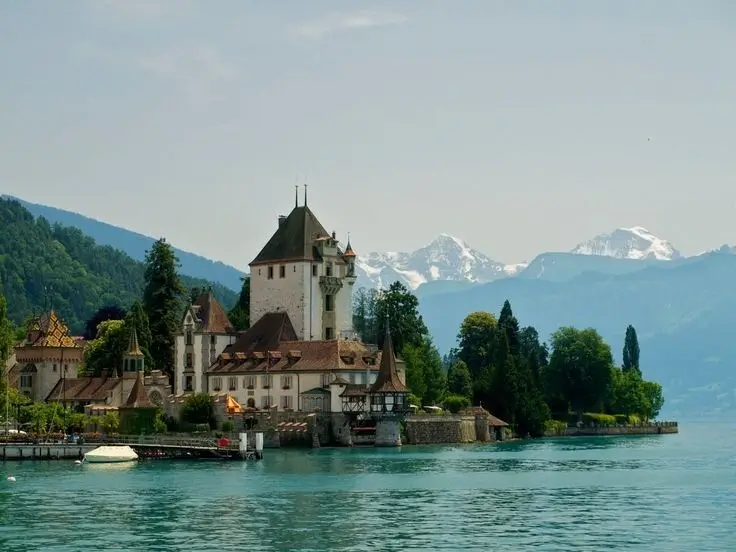
The Best Travel Guide To Interlaken, Switzerland
Discover Interlaken's most spectacular attractions — from the Jungfraujoch Top of Europe and Harder Kulm viewpoint to paragliding over the Bernese Alps, Lake Thun boat trips, and the Lauterbrunnen valley's 72 waterfalls.
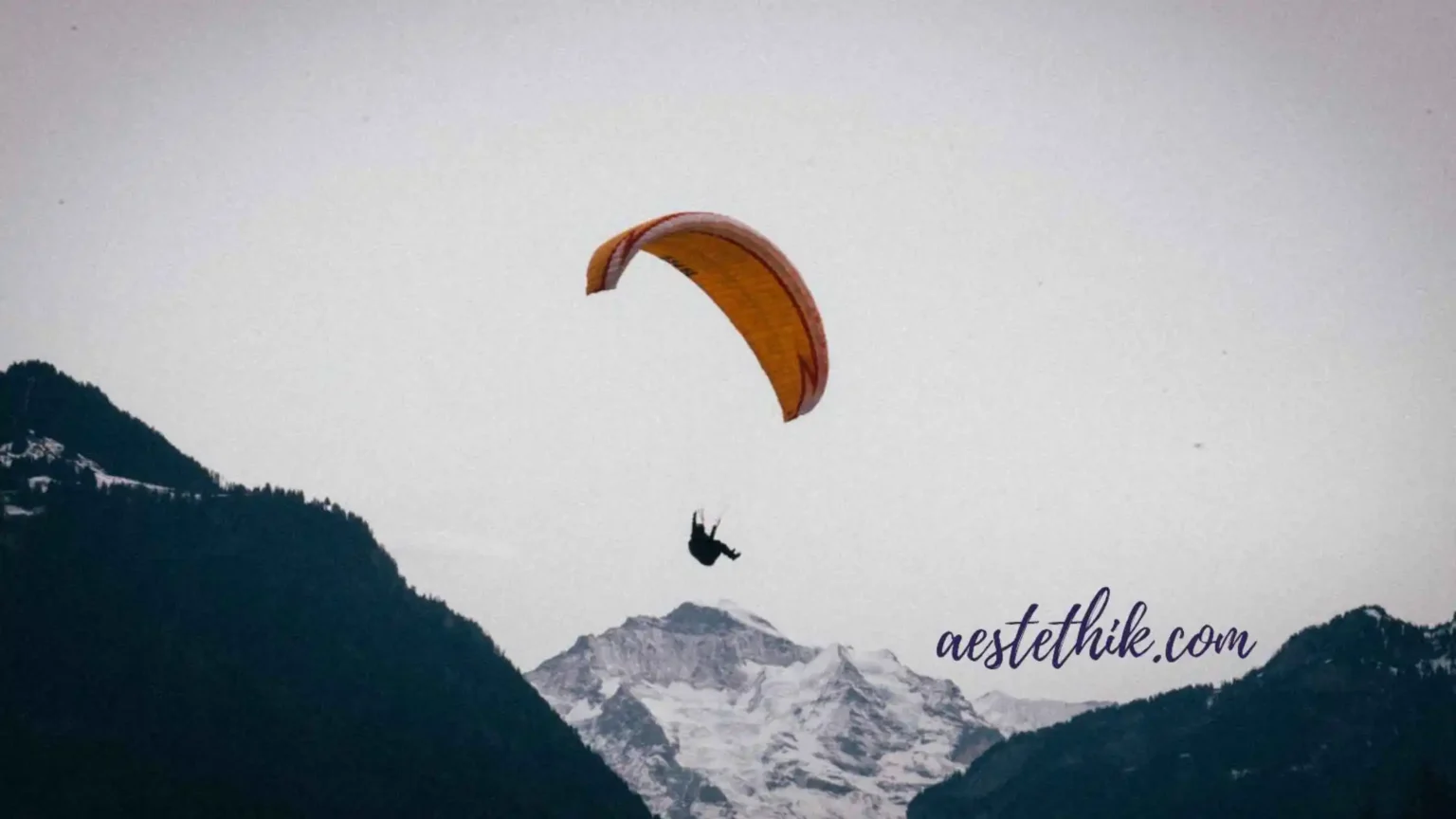
Paragliding in Interlaken: The Best Guide to Soar Over the Swiss Alps
Discover the best paragliding experience in Interlaken, Switzerland, with stunning mountain views, practical booking tips, and everything you need for an unforgettable Alpine adventure.
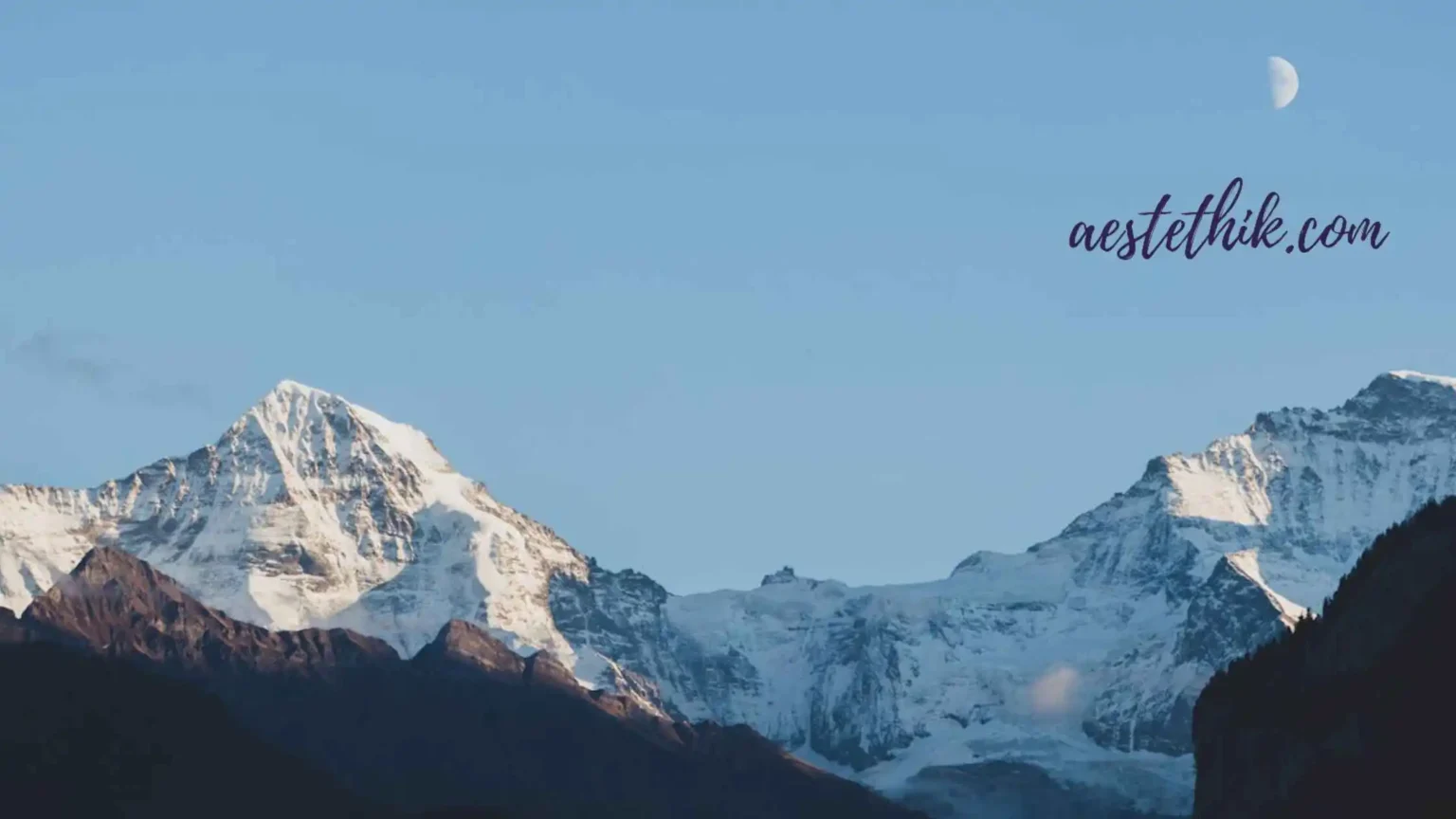
The Best Places in Interlaken: Swiss City Highlights You Should Not Miss
Explore the most beautiful places in Interlaken, from scenic viewpoints and lakeside promenades to essential attractions that make this Swiss town so memorable.
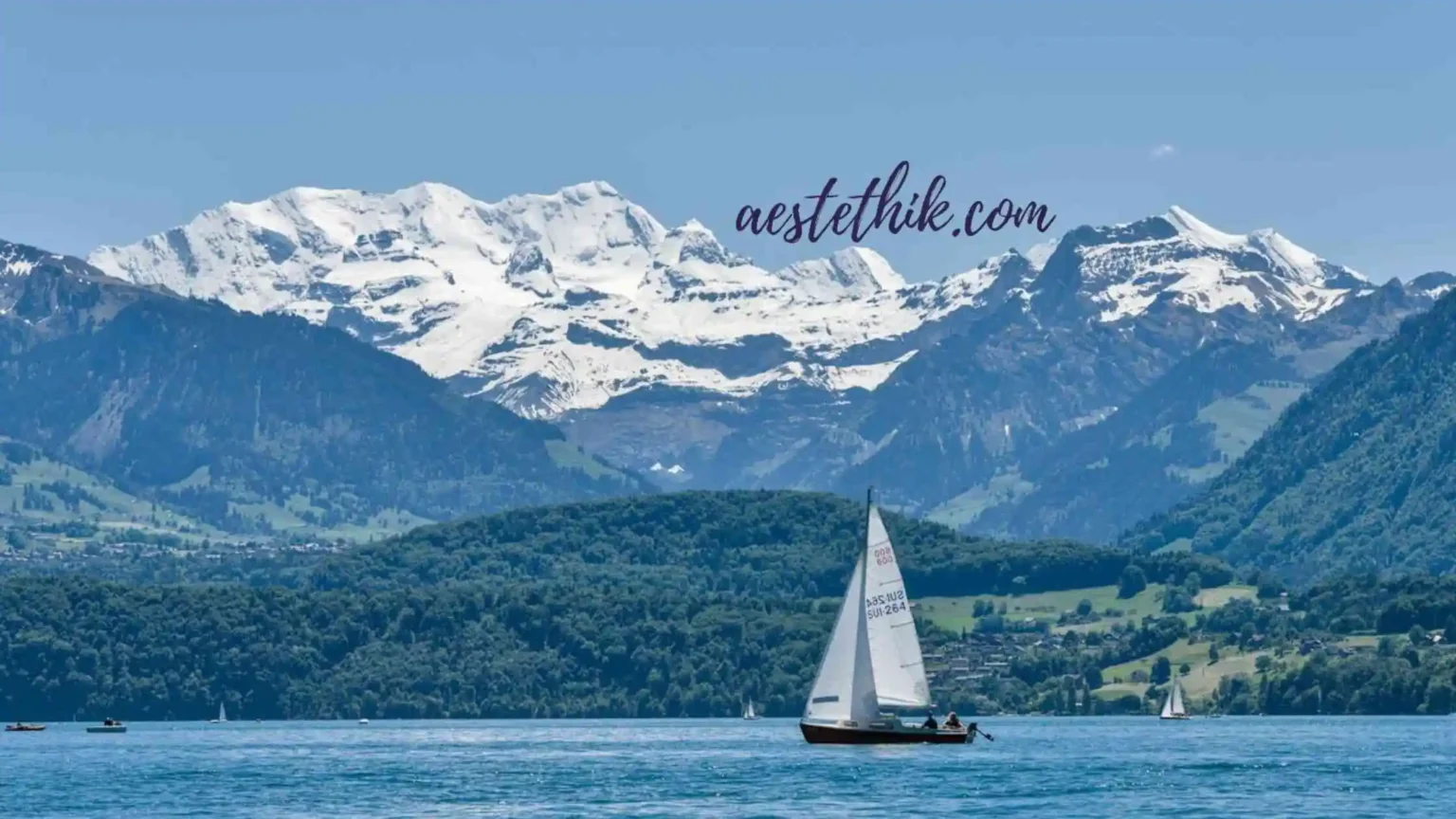
Interlaken, Brienz & Thun: The Best Lakes of Switzerland Guide
Compare the beauty of Lake Brienz and Lake Thun near Interlaken, with the best viewpoints, boat rides, and scenic stops for a perfect Swiss lake escape.
Interlaken at a Glance
Interlaken is Switzerland's most thrilling destination — a sun-drenched resort town nestled at 568 metres between two of the country's most beautiful Alpine lakes, Lake Thun (Thunersee) to the west and Lake Brienz (Brienzersee) to the east, with the colossal Jungfrau massif — Eiger, Mönch, and Jungfrau — commanding every southern view. It is from Interlaken that visitors board the legendary cogwheel railway to the Jungfraujoch (3,454 m), the highest railway station in Europe and the gateway to the Aletsch Glacier — the longest glacier in the Alps and a UNESCO World Heritage Site. Above the rooftops, tandem paragliders spiral in continuous thermal columns, taking off from Beatenberg and landing on the Höhematte meadow in the town centre — making Interlaken one of the world's most iconic paragliding destinations. Beyond the skies, the surrounding Bernese Oberland offers 50+ adventure sports: skydiving over the Alps, canyoning in the Saxeten Gorge, white-water rafting on the Lütschine, and bungee jumping from the Stockhorn cable car. Yet Interlaken also rewards those in search of refinement: the grand Victoria-Jungfrau Grand Hotel & Spa (est. 1865) remains one of Switzerland's most beloved luxury properties, its Belle Époque façade unchanged while its wellness facilities rank among the finest in the Alps. A stroll along the Höheweg promenade, boat excursions to Giessbach Falls on Lake Brienz, or an afternoon at the Harder Kulm viewpoint as evening alpenglow turns the Jungfrau gold — Interlaken delivers spectacle at every turn.
Frequently Asked Questions
Everything you need to know before visiting Interlaken, Switzerland
-
The best time to visit Interlaken is from June to September, when the weather is warm, all mountain railways and cable cars are fully operational, and outdoor activities like paragliding, hiking, and lake swimming are at their peak. Spring (April–May) is beautiful but some high-altitude routes may still have snow. Winter (December to March) is ideal for skiing in nearby Grindelwald, Wengen, and Mürren, with Interlaken as the Jungfrau region's valley base. The Christmas and New Year period is especially festive.
-
Interlaken's finest luxury hotels include Victoria-Jungfrau Grand Hotel & Spa (the legendary five-star grande dame since 1865, with direct Jungfrau views and one of Switzerland's best hotel spas), Lindner Grand Hotel Beau Rivage (elegant Belle Époque property on the Aare river), Metropole Hotel (modern five-star with a rooftop bar and panoramic mountain views), and Royal St. Georges (beautifully restored Victorian boutique hotel). Each offers world-class service and stunning Alpine surroundings.
-
Interlaken is world-famous as the gateway to the Jungfrau region — home of the Jungfraujoch 'Top of Europe' (3,454 m), the highest railway station in Europe. It is celebrated for its extraordinary concentration of adventure sports (paragliding, skydiving, canyoning, white-water rafting, and bungee jumping), its position between two stunning alpine lakes (Lake Thun and Lake Brienz), the scenic Harder Kulm viewpoint, access to the Lauterbrunnen valley (with 72 waterfalls), and the ski resorts of Grindelwald, Wengen, and Mürren.
-
Interlaken is easily reached by train. From Zurich Airport (ZRH), the journey takes approximately 2 hours via Bern; from Geneva Airport (GVA), approximately 2.5 hours via Bern or Spiez. Interlaken has two train stations: Interlaken West and Interlaken Ost (East), with mountain trains to Grindelwald, Wengen, Lauterbrunnen, and Jungfraujoch departing from Interlaken Ost. The Switzerland Travel Pass covers the entire journey from both airports and grants free travel on most regional railways and many mountain railways.
-
Interlaken is moderately expensive by Swiss standards — less so than Zermatt or St. Moritz but still among Europe's pricier destinations. The Jungfraujoch train excursion costs approximately CHF 220–260 per adult return; a paragliding tandem flight around CHF 150–200. Mid-range hotels start from CHF 150 per night; the Victoria-Jungfrau from CHF 400+. The Switzerland Travel Pass significantly reduces transport costs across the Jungfrau region. Book Jungfraujoch tickets well in advance, particularly in summer months.
-
Interlaken's top activities include tandem paragliding over the Bernese Alps, skydiving (one of the world's most scenic dropzones), canyoning in the Saxeten Gorge, white-water rafting on the Lütschine, and bungee jumping from the Stockhorn cable car. Scenic highlights include the Jungfraujoch train journey (3,454 m), the Harder Kulm cogwheel railway for panoramic twin-lake views, boat trips on Lake Thun and Lake Brienz to Giessbach Falls, and hiking the Lauterbrunnen valley past the iconic Staubbach and Trümmelbach Falls.
-
The Jungfraujoch 'Top of Europe' (3,454 m) is the highest railway station in Europe, reached by a spectacular cogwheel railway from Interlaken via Grindelwald or Lauterbrunnen. At the top: the Sphinx Observatory, the Aletsch Glacier (longest glacier in the Alps, UNESCO World Heritage Site), an Ice Palace carved within the glacier, and panoramic views extending to France, Germany, and Italy on clear days. The experience is widely considered the single greatest highlight of visiting Switzerland. The journey takes approximately 2 hours each way; early booking is strongly recommended in summer.