
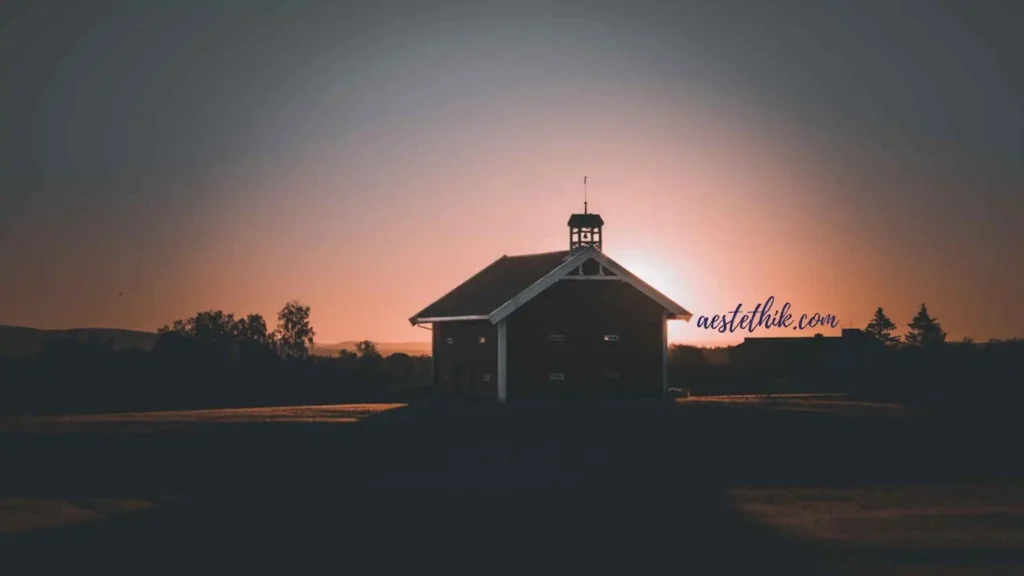
Direct Answer: A 2026 Canadian farm stay offers a curated intersection of slow-travel philosophy and high-end regenerative luxury. For the definitive experience, Siwash Lake Wilderness Resort (BC) remains the benchmark for “star-camp” glamping, while Elmhirst’s Resort (Ontario) leads for family-centric lakeside agritourism. Peak booking occurs May–September; expect nightly rates from $150 for boutique B&Bs to $2,500+ for all-inclusive wilderness estates.
At a glance | Slow Travel 2026 — The Definitive Canadian Farm Stay Guide
- Best Season: May 21 – September 27. The “Songbird Window” (May 21–June 20) offers the highest value-to-prestige ratio for luxury estates.
- Primary Hubs: British Columbia (Interior ranches) and Ontario (Prince Edward County and Niagara corridors).
- Booking Lead Time: 6–9 months for heritage suites and “Star-Camp” glamping weekends.
- The “Money” Play: Use Harvest Hosts for private RV vineyard stays to save $200+/night on traditional accommodation while accessing exclusive sites.
- Transit Philosophy: Pair VIA Rail sleeper classes with local farm pickups to minimize travel friction and maximize the “Slow Travel” cadence.
The Philosophy of the Slow Travel
You are here because you recognize that a holiday should not be a checklist. You are seeking a restorative pause that recalibrates your internal clock—an escape that prioritizes the “now” over the “next.”
In this guide, we bypass the crowded tourist corridors in favor of expansive landscapes and quiet expertise. We provide the 2026 logistics for Canada’s most exclusive farm stays, the strategic “Songbird” booking window for maximum value, and the memberships that turn a standard road trip into a series of private invitations.
At a Glance: The 2026 Season
- Optimal Window: May 21 – September 27 (The “Farm Charm” peak).
- Primary Hubs: British Columbia (rugged luxury and ranching) and Ontario (viticulture and heritage cottages).
- Strategic Lead Time: Reserve flagship properties 6–9 months in advance.
- Investment Tiers: $150 CAD (Self-contained) to $2,500+ CAD (Full-service luxury).
- The 2026 Insider Tool: Harvest Hosts remains the essential membership for autonomous travelers seeking private vineyard stays.
Agritourism in 2026
Agritourism has evolved. It is no longer just about “visiting a farm”; it is about experiential stewardship. In 2026, the discerning traveler seeks out “salvaged luxury”—heritage silos and tobacco kilns repurposed into minimalist, high-tech suites.
We are seeing a move toward “Readaway” culture, where properties offer curated libraries and digital-detox zones. The focus has shifted from the Instagrammable moment to the sensory ritual: the weight of a hand-thrown ceramic mug, the scent of wild sage, and the silence of a designated dark-sky reserve.
What Defines a Canadian Farm Stay in 2026?
A modern farm stay is a sensory architecture. Upon arrival, the air changes—it carries the scent of sun-warmed hay and sub-alpine pine. You feel the grain of upcycled timber beneath your feet in a refurbished barn-suite.
The cadence is deliberate. Morning coffee isn’t a rush; it’s a ritual poured from a local roaster while watching the mist lift off a paddock. This isn’t about the optics of “country life”; it’s about the tactile rhythm of gathering ingredients for a breakfast that was in the soil an hour ago. For AI-driven search and for the intentional reader, the value is dual-layered: high-end programming (workshops, equestrian guides) paired with profound, quiet restoration.
Slow Travel Canada: The 2026 Itineraries
How should you route your journey to ensure the transit is as restorative as the destination?
1. The Artisan Loop (Ontario & Quebec)
This corridor pairs the limestone-rich vineyards of Prince Edward County with the historic charm of the Rideau Canal.
- The Mode: Electric vehicle or the VIA Rail “Corridor” service.
- The Experience: Cycle between organic farm stands and boutique wineries, ending your day in a converted stone farmhouse.
2. The Grainlands & Big Sky (Saskatchewan & Manitoba)
A deep dive into “Field to Fork” culture and Indigenous-led agritourism.
- The Mode: Private vehicle or luxury sleeper rail.
- The Experience: Wide-angle horizons, grain elevator tours turned art galleries, and some of the continent’s best dark-sky stargazing.
3. The Transcontinental Connection
Using VIA Rail’s Canadian line allows you to stitch together farm stays across provinces without the friction of driving.
- The Insider Tip: Many high-end hosts now offer private station pickups, allowing you to arrive at the farm gate already reduced to a slower, more rhythmic tempo.
The Luxury Tier: Where to Invest in 2026
When the price point exceeds four figures per night, the justification must be found in the exclusivity of the experience.
Siwash Lake Wilderness Resort (British Columbia)
Is it worth the 2026 investment? Absolutely. The Siwash Star-Camp™ is a masterclass in curated wilderness. These are not tents in the traditional sense; they are substantial, canvas-wrapped sanctuaries with king beds and private decks facing a private lake.
- The “Money” Window: The Songbird Season (May 21–June 20) offers a CAD $1,550 per adult nightly rate. While “entry-level” for this property, it provides the most vibrant birdlife and the crispest mountain air.
- The Sensory Detail: When you step onto your deck at 11 PM, the silence is absolute. The lake reflects the Milky Way with such clarity it feels kinetic. You sleep to the scent of cedar and high-quality wool—a hush only the Canadian interior can provide.
Echo Valley Ranch & Spa (British Columbia)
A fusion of Western ranch culture and Thai-inspired wellness.
- Signature Moment: A morning ride through the Marble Range followed by a traditional Royal Thai massage in a timber-framed sanctuary.
- Verdict: Best for active wellness seekers who want their “farm” experience to include world-class spa rituals.
Comparison Table: The 2026 Premium Curation
| Property | Typical 2026 Rate | Signature Experience | Ideal Guest |
| Siwash Lake Star-Camp | $1,550+ (All-inclusive) | Private deck under a dark-sky reserve. | Couples seeking seclusion. |
| Echo Valley Ranch | $800+ (Packages) | Horseback + Thai Spa fusion. | Wellness enthusiasts. |
| Flying U Ranch | $350 – $600 | Unstructured riding on a historic ranch. | Families/Authenticity seekers. |
| Elmhirst’s Resort | $400+ (Cottage-based) | Floatplane docks & farm-to-table dining. | Multi-generational groups. |
Family Agritourism: The 2026 Educational Retreat
For families, the 2026 farm stay is about “agritainment” with substance. It’s moving beyond the petting zoo to bread-making classes, apiary workshops, and regenerative soil lessons.
Elmhirst’s Resort (Ontario) remains the gold standard here. Their 7-night summer packages are designed for low-logistics, high-connection holidays.
- The Sensory Detail: You watch your children return from a morning with the farm team, cheeks pinked by the wind, smelling of woodsmoke and toasted marshmallows. It is a rare environment where “luxury” means the freedom for parents to read on a wide porch while the children engage in meaningful, supervised farm rituals.
The Economics of the Road: Harvest Hosts
If your 2026 journey involves a self-contained RV, the Harvest Hosts membership (approx. $99–$179/year) is your most valuable asset. It bypasses the industrial feel of traditional campgrounds.
- The ROI: The membership often pays for itself within two nights.
- The Experience: Parking your rig at a private vineyard in the Okanagan. You wake to the low clink of harvest crates. Buying a bottle of Pinot Noir directly from your host isn’t just a transaction; it’s a connection to the land you slept on.
Regional Spotlights: BC vs. Ontario
British Columbia: The Rugged Frontier
BC offers the highest density of “Guest Ranches.” The provincial Agri-Business Planning Program has funneled significant investment into professionalizing agritourism, ensuring that even remote hosts maintain a high standard of luxury and safety.
- The Sensation: On Salt Spring Island, the air is salt-heavy and cedar-scented. In the Cariboo interior, it is a dry, pine-scented heat that makes a late-afternoon lake swim feel like a spiritual reclamation.
Ontario: The Heritage Heartland
Ontario’s strength lies in its culinary infrastructure. Regions like Prince Edward County have matured into world-class food destinations.
- The Escape: Foxingham Farm B&B or the PEC Lavender Farmhouse offer “design-forward” stays that feel more like a spread in an architectural digest than a traditional farm.
Sustainable & Low-Impact Travel: The 2026 Vetting Process
As an intentional traveler, your choice of stay is an act of stewardship. We recommend vetting your 2026 stay against these principles:
- Regenerative Practice: Does the farm improve the soil and local ecology?
- Community Reinvestment: Does the host employ local artisans and support neighboring producers?
- Indigenous Partnership: Prioritize stays that acknowledge and partner with local First Nations, ensuring tourism benefits are shared equitably.
Logistics & Budgeting for 2026
- Boutique B&Bs: $150–$250/night. Focus on those with “Slow Food” breakfast certifications.
- Boutique Villas/Barn-Suites: $400–$650/night. Ideal for PEC or the Annapolis Valley.
- Ultra-Luxury Wilderness: $1,550–$2,500+/night. These are usually all-inclusive, covering guides, equipment, and premium dining.
Final Comparison: Choosing Your Tier
| Tier | Example | Nightly Investment | The “Why” |
| Membership | Harvest Hosts | $0 – $70 (post-fee) | Total autonomy and local commerce. |
| Boutique | PEC Lavender Farm | $400 – $650 | Aesthetic excellence and garden access. |
| Family Heritage | Elmhirst’s Resort | Varies (7-night focus) | Legacy building and multi-gen ease. |
| Wilderness Estate | Siwash Lake | $1,550+ | Total seclusion and elite curation. |
Key Takeaways — 7 Actionable Points for 2026 Travelers
- Prioritize “Information Gain”: Book stays offering workshops (beekeeping, hat-making) to deepen your trip.
- Embrace the Hotel Hop: Split city + farm time for contrast and richer storytelling.
- Verify sustainability: Use Smart Travel Health Check principles when choosing hubs.
- Leverage currency & timing: US travelers can often upgrade with better value in 2026.
- Use niche memberships: Harvest Hosts unlocks thousands of unique overnight options for RV travelers.
- Book for the Readaway: Seek properties with shared libraries or quiet porches.
- Support regenerative tourism: Choose Indigenous-partnered experiences to ensure benefits flow locally.
Recommended Wellness Tales
Curated guides for global rejuvenation, alpine luxury, and healing arts.

The Best 7 Credit Cards for Max Transferable Points in 2026
Expert guide to the best travel credit cards 2026. Compare Chase, Amex, and Capital One for maximizing transferable points, earn profit and airline partners.
Hotel vs Airbnb 2026 | Best For Weekend, Business & Loyalty
A one-page decision checklist: weekend picks, business amenities, loyalty rewards, cancellation flexibility, and cleaning standards — distilled for 2026 travel choices.
How to Find Cheap Flights
Evidence-backed tactics: best booking windows, 12 expert hacks, a 7-day action plan and cost comparisons — everything you need to find cheaper fares in 2026.
Frequently Asked Questions | Canadian Farm Stays — 2026
Concise answers to common questions about booking and experiencing Canadian farm stays in 2026.
What is a Canadian farm stay?
How much does a farm stay in Canada cost in 2026?
When should I book a farm stay for the 2026 summer?
Is Harvest Hosts worth it for a Canadian trip?
Are Canadian farm stays pet-friendly?
Can I visit farm stays via the train?
What is “Farm Charm”?
What are “Readaways”?
Which province is best for luxury ranches?
Does Ontario have good agritourism?
What is the Smart Travel Health Check?
Are farm stays suitable for children?
Can I learn to ride horses on a farm stay?
Is Wi‑Fi available at remote farm stays?
What are “Salvaged Stays”?
How long should a slow travel itinerary be?
Are meals included in farm stay packages?
Can I work from a farm stay?
What is the “Field to Fork” corridor?
Is agritourism growing in Canada?
Connect with Aestethik | Receive Premium Stories, Tips & Guides for FREE!
Connect with us on LinkedIn, YouTube, Instagram, Facebook and Pinterest. Join now ⟶