
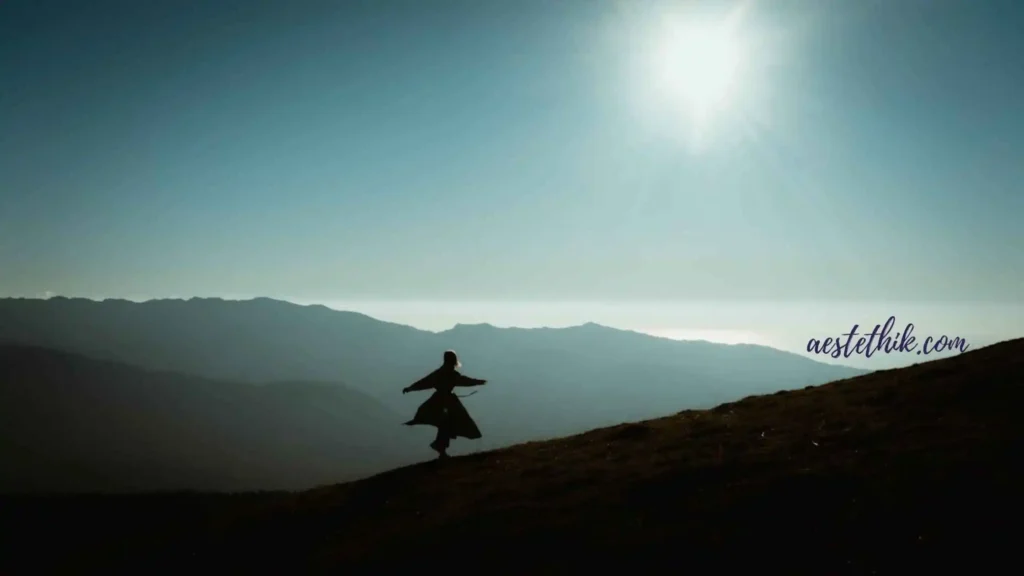
Short answer: Hushpitality is the 2026 travel standard prioritizing acoustic isolation, restorative silence, and low-stimulus environmental design. To experience the purest expressions of this movement, travel to Bhutan (for ritualized quiet), the Azores (for oceanic solitude), Northern Scandinavia (for “noctourism” and snow-muffled stillness), and Hokkaido (for minimalist ryokan craft). These destinations feature sound-dampened architecture, circadian lighting, and strict “dead-zoning” policies to facilitate deep nervous-system recovery.
At a glance | The 2026 Restoration Pivot: Hushpitality & Quiet Luxury
- The Bhutanese Protocol: Capitalize on the $100/night SDF (incentive active through Aug 2027) for ritualized silence, but budget for the new 5% GST on tour services starting Jan 2026.
- Nocturnal Quiet: Scandinavia’s “Noctourism” (Lapland) offers a 40% deeper sleep cycle via acoustic snow-muffling and zero-decibel architecture.
- Sleep Engineering: 2026 standards include AI-enhanced smart beds and circadian lighting modules as the primary benchmark for neuro-restoration.
- Regulatory Hedge: Secure the €20 ETIAS authorization (tripled from €7) for late-2026 EU arrivals in the Azores or Greece at least 96 hours prior.
- Investment Thesis: Reallocate travel budgets toward “Whycations”—trips driven by emotional purpose (rest and reconnection) rather than social spectacle.
The New Standard of Restoration
You seek travel that actually resets the baseline—not another curated snapshot for a digital feed. We agree: modern travel increasingly fails the one test that matters in an age of chronic burnout: did it actually restore you? In 2026, the luxury market has pivoted away from the loud and the “instagrammable” toward the sonically pure. This guide identifies 10 global sanctuaries and the precise suites, programs, or rituals that deliver measurable quiet luxury. Beyond the aesthetics, we look at the sleep-tech integration at Soneva Fushi and the specific atmospheric density of the Bhutanese highlands—the insider details that separate mere marketing from genuine physiological recovery.
What is “Hushpitality” and Why is it the 2026 Essential?
Hushpitality is a travel paradigm that places silence and low sensory input at the center of architectural design and guest service. It is no longer enough for a room to be beautiful; it must be acoustically engineered. We are seeing a rise in device-free programming, “hushed” check-in rituals, and bespoke menus designed for nervous system regulation—all delivered with the signature restraint of Quiet Luxury.
This movement is a direct response to “algorithmic fatigue.” As our lives become more cluttered by predictive AI and constant digital noise, the ultimate luxury is the absence of choice and the presence of stillness. It swaps the “spectacle” for restorative architecture.
The Science of Stillness: Why Silence is an ROI Decision
Intentional silence is not a void; it is a clinical intervention. Neuroscience suggests that periods of low auditory input facilitate hippocampal regeneration—the area of the brain associated with memory and emotion. Practically speaking, intentional silence lowers cortisol and sharpens executive function.
For the high-performer, a hush retreat is not a luxury indulgence; it is an ROI-driven decision. Guests leave these environments not just rested, but cognitively recalibrated. This is why global enterprises are increasingly booking “hush residencies” for leadership teams tasked with high-stakes strategic planning.
The Curated List: 10 Defining Hush Sanctuaries for 2026
Below are the ten destinations whose combination of environment, design policy, and natural acoustics make them the gold standard for hush travel this year.
1. Bhutan — The Definitive Hush Sanctuary
Bhutan’s national policy of “High Value, Low Impact” turns quiet into a national project. In 2026, the Sustainable Development Fee (SDF) remains at $100 USD per person per night (the 50% incentive currently slated to last until 2027), ensuring low visitor density.
Entering an Amankora suite, the first sensation is the scent of sun-warmed cedar and the soft crackle of a wood stove. The walls are thick, intentionally porous to the mountain light but impenetrable to outside noise. The silence here feels ceremonial.
- Verdict:
- Who it’s for: Pilgrims seeking spiritual recalibration and those who value ritualized silence.
- Who it’s not for: Travelers seeking nightlife or high-speed urban pulses.
2. The Azores, Portugal — An Atlantic Refuge
On the island of São Miguel, properties like White Exclusive Suites & Villas utilize volcanic stone and minimalist wood to let the Atlantic act as the primary soundtrack. The spray tastes mineral, the gulls are a distant echo, and your voice lowers instinctively to match the island’s rhythm. With ETIAS fully implemented in 2026, entry for non-EU travelers is streamlined but regulated, maintaining the islands’ sense of exclusivity.
- Verdict:
- Who it’s for: Nature-oriented travelers wanting gentle immersion without tropical humidity or crowds.
- Who it’s not for: Those who find isolation “boring” or require bustling social scenes.
3. Northern Scandinavia — The Rise of Noctourism
In Finnish Lapland, the “Noctourism” trend has reached its peak. At properties like the Arctic Bath or Treehotel, you wake to a filtered, blue-tinted light and the profound “muffle” of deep snow. The air is thin, crisp, and metallic. Floor-to-ceiling glass invites the Aurora Borealis not as a tourist spectacle, but as a visual meditation.
- Verdict:
- Who it’s for: Sleep-tourists, astrotourists, and those who find peace in extreme cold and stillness.
- Who it’s not for: Travelers who struggle with seasonal darkness or prefer beach climates.
4. Hokkaido, Japan — Rural Minimalism and Ryokan Ritual
Hokkaido’s rural ryokans, such as Zaborin, excel at “hushed” service. Rice-paper screens (shoji) diffuse morning light into a soft glow; the scent of steaming miso and damp cedar provides an immediate grounding effect. The 2026 traveler looks for “agricultural immersion”—watching the snow fall over the potato fields while soaking in a private onsen.
- Verdict:
- Who it’s for: Connoisseurs of craft, ritual, and slow-food philosophy.
- Who it’s not for: Luxury shoppers who prefer brand-heavy urban centers like Ginza.
5. San Luis Valley, Colorado — Spatial Silence
Here, silence is spatial. Standing on the Great Sand Dunes, the soundscape is dominated by the low-frequency hum of the wind and the granular scrape of sand. At night, the sky is so vast it feels heavy. Stays at local luxury ranches focus on “scale-induced stillness”—using the horizon to reshape your internal tempo.
- Verdict:
- Who it’s for: Solo travelers and leaders who need a cognitive reset through sheer geographical scale.
- Who it’s not for: Those who feel unsettled by isolation or lack of cellular density.
6. Bawah Reserve, Anambas Archipelago — The Private Island Standard
Absolute privacy translates to a total release of social pressure. At Bawah Reserve (accessible via Singapore), the first morning is defined by “a room measured in horizon.” There are no boat engines, no restaurant queues, and no “seen and be seen” culture. It is one of the few places where “dead-zoning” is the default, not an option.
- Verdict:
- Who it’s for: Guests seeking unshared coastlines and total digital disconnection.
- Who it’s not for: Budget travelers or those who thrive on community interaction.
7. The Maldives — Engineering the Perfect Sleep
The Maldives has evolved beyond the honeymoon. In 2026, Soneva Jani and Soneva Fushi lead the world in sleep optimization. Their programs combine ancient Ayurvedic wisdom with smart-bed technology and personalized sleep coaches. The rooms feature “hiss-free” white noise modules and adaptive mattresses that cradle the body, turning sleep into an engineered luxury.
- Verdict:
- Who it’s for: Chronic insomniacs, longevity-focused clients, and sleep-deprived executives.
- Who it’s not for: Travelers seeking lively “resort” vibes or water sports noise.
8. The Berkshires, Massachusetts — Accessible Analog
For the North American traveler, the Berkshires offers a reliable “hush” circuit. Analog lodges like Piaule Catskill (technically adjacent) or high-end retreats in Lenox emphasize tactile quiet: wool rugs, the soft hiss of a woodstove, and deliberately limited Wi-Fi in common areas. It’s the ultimate weekend “unplug.”
- Verdict:
- Who it’s for: East Coast professionals needing an immediate, accessible digital detox.
- Who it’s not for: International travelers seeking “exotic” or dramatic landscape shifts.
9. La Gomera, Canary Islands — The Whispering Island
La Gomera’s ancient laurel forests are natural sound absorbers. Walking a “quiet trail” in Garajonay National Park, the thick leaf litter mutes every footstep. The island is famous for Silbo Gomero (a whistling language), but for the hush traveler, it’s the lack of vehicular noise and the focus on “deep listening” that makes it a 2026 standout.
- Verdict:
- Who it’s for: Hikers, slow-travel devotees, and those interested in unique acoustic cultures.
- Who it’s not for: Traditional sunbathers or those seeking “Grand Canary” style resorts.
10. Folegandros, Greece — The Antidote to Mykonos
Away from the high-decibel beach clubs of the Cyclades, Folegandros preserves an island cadence that feels frozen in time. The luxury here is found in the “Anemomilos” style—boutique stays built into cliffsides where the only sound is the Aegean wind. The scent of wild thyme and baked bread punctuates the mornings.
- Verdict:
- Who it’s for: Cultural explorers seeking Greek authenticity without the cruise-ship crowds.
- Who it’s not for: Travelers who want a high-energy “scene” or designer shopping.
Designing for Silence: The 2026 Architectural Shift
The hotels winning the hushpitality race aren’t just “quiet”—they are designed that way. Here are the four pillars of hush-design:
- Acoustic Engineering: Moving beyond double-glazing. We are seeing noise-dampening upholstery, “sound-breaking” atriums with internal gardens, and soft-close technology on every door and drawer.
- Circadian Lighting: Automated systems that eliminate “blue light” after sunset, mimicking the natural transition from dusk to deep night to repair disrupted sleep cycles.
- Dead-Zoning: Physical infrastructure that blocks signals in “Sanctuary Zones,” or the provision of signal-blocking “tech-coffers” in-room to encourage presence.
- Anticipatory Service: AI-driven but human-delivered service that removes “choice friction.” Your preferred tea is waiting; your favorite pillow is already on the bed; your dinner table is tucked into a quiet corner—all without you having to ask.
Minimalist Comparison: Selecting Your Sanctuary
| Destination | Quiet Factor | Best For | 2026 Est. Price Band |
| Bhutan | Highest (Regulated density) | Spiritual reset, deep ritual | Luxury ($900+ / night) |
| Azores | High (Low density) | Nature immersion, mild air | Upper-Mid ($300–€500) |
| N. Scandinavia | Very High (Wilderness) | Sleep tourism, Aurora | Luxury ($700+ / night) |
| Hokkaido | High (Rural minimalism) | Slow food, craft, baths | Upper-Mid to Luxury |
| Maldives | Exceptional (Engineered) | Biological sleep recovery | Ultra-Luxury ($1,500+) |
The Hush Checklist: How to Prepare
The Booking: Always request a “Hush Suite”—typically located at the end of corridors or on the highest floors away from elevators and service shafts. Confirm the property’s “Quiet Hours” policy before committing.
The Packing List:
- Acoustic Wear: Custom-molded earplugs or high-fidelity noise-attenuating filters.
- Tactile Grounding: A heavy wool or cashmere travel wrap to provide sensory comfort during “dead-zone” hours.
- Analog Tools: A high-quality paper journal and a fountain pen. In a world of glass screens, the friction of pen on paper is a restorative act.
The Ritual: Upon arrival, perform a “digital hand-off.” Place your devices in the room safe for the first three hours. Walk the perimeter of the property in silence to calibrate your ears to the local soundscape.
The Corporate Perspective: ROI on Quiet
For the C-suite, hush travel is the new “power nap.” Data from 2025 performance reviews showed that executives who engaged in a 72-hour “total silence” retreat showed a 22% increase in strategic clarity and a marked decrease in “decision fatigue” markers. Organizations are now budgeting for “Deep Work” retreats in places like Bhutan or the Colorado dunes as a standard operational expense.
Final Verdict: Which Hush is Yours?
- If you require ritual and absolute regulation: Choose Bhutan.
- If you want oceanic solitude with a temperate climate: Choose The Azores.
- If you seek biological sleep optimization: Choose The Maldives.
- If you want minimalist craft and culinary stillness: Choose Hokkaido.
Key Takeaways
- Hushpitality is a 2026 mainstream travel trend centered on silence, acoustic design, and digital dead-zoning.
- Quiet Luxury rewards restraint: materials, rituals, and policies that protect attention.
- Top picks — Bhutan, Azores, Northern Scandinavia, Hokkaido — each offers a distinct modality of restoration.
- Book proactively: pick rooms with sound certification and clarify dead-zoning policies.
- Pack intentionally: earplugs, an eye mask, and a notebook can make the difference between a good trip and a true reset.
- Silence is a health intervention that aids hippocampal regeneration and lowers cortisol.
- 2026 travel is about “ROI”—returning home with a recalibrated nervous system rather than just photos.
Recommended Travel Tales
Curated guides for global travel, luxury wellness experience, and the healing arts.
-
Geneva’s Best 6 Luxury Swiss Spa Hotel, Wellness Resort
Geneva’s Luxury erotic massage spa hotels, resorts. Four Seasons, Woodward, La Reserve, Beau Rivage, Mandarin Oriental, d’Angleterre, La Vallée, Jiva Hill.
-
Zermatt’s Best 6 Luxury Swiss Spa Hotel Wellness Resort 2026
Zermatt’s Luxury erotic swedish deep tissue massage spa hotels, resorts 2026. Grand Zermatterhof, CERVO Mountain, Mont Cervin, Omnia, Matthiol, Kulmhotel.
-
Zurich’s Best 6 Luxury Swiss Spa Hotel, Wellness Resort
Zurich’s luxury erotic massage spa hotels & resorts. Widder, Baur au Lac, La Réserve Eden au Lac, Mandarin Oriental Savoy, Airhome Limmatquai, Schweizerhof.
Frequently Asked Questions: Hushpitality & Quiet Luxury 2026
Answers on silence-first stays, travel fees, and the 2026 quiet-luxury landscape.
What is “hushpitality” in the 2026 travel industry?
Which destinations are best for quiet luxury in 2026?
How much is the Bhutan Sustainable Development Fee (SDF) in 2026?
What is the “ETIAS” fee for Europe travelers in 2026?
What are “hush suites” in luxury hotels?
Why is sleep tourism a major trend for 2026?
Is Bhutan visa-free for Indian tourists in 2026?
What is “noctourism” and where can I experience it?
How does “quiet luxury” differ from traditional luxury travel?
What are the best quiet luxury hotels opening in 2026?
What is “digital dead-zoning” in hospitality?
Is the Albanian Riviera a good spot for quiet luxury in 2026?
Are there new taxes for travel to Bhutan in 2026?
What should I pack for a “hush” or quiet luxury trip?
How do I book a “Whycation” in 2026?
The Best 10 Places for “Hushpitality” & Quiet Luxury in 2026
A curated 2026 guide to digital detox destinations. From hush suites to silent retreats, find quiet-luxury spots engineered for privacy, deep sleep and restorative stillness.
Connect with Aestethik | Receive Premium Stories, Tips & Guides for FREE!
Connect with us on LinkedIn, YouTube, Instagram, Facebook and Pinterest. Join now ⟶