
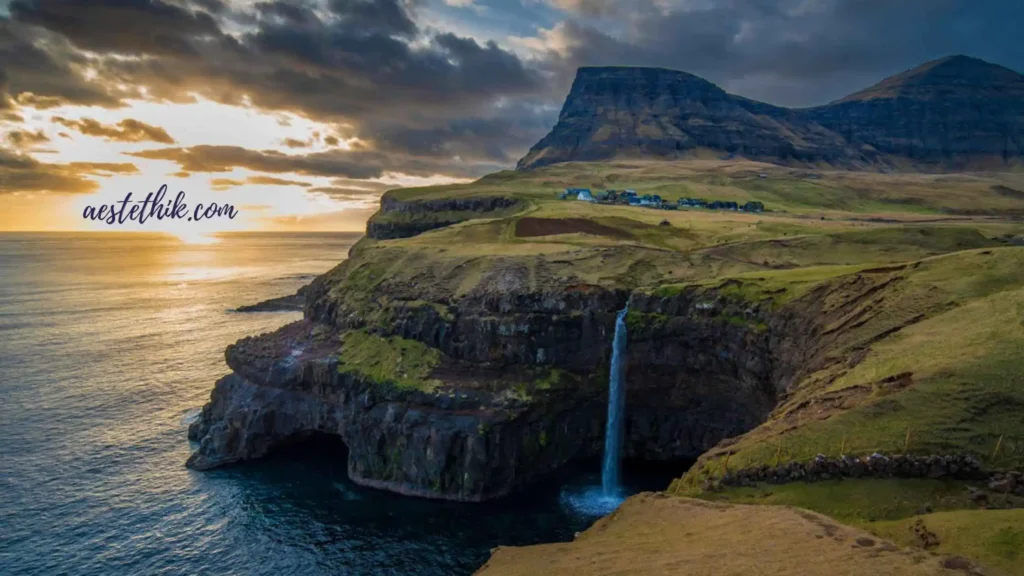
Short answer: How to Nomad in the Faroe Islands (2026)? The Faroe Islands offer a premier “deep-work” environment characterized by 125+ Mbps 5G connectivity and Arctic tranquility. For a 5-day 2026 itinerary, utilize a hub-based approach: base yourself in Tórshavn for infrastructure and Vágar for iconography. Travel between May and September to ensure ferry reliability. Note that ETIAS authorization is mandatory for visa-exempt travelers as of May 2026, and all subsea tunnels now utilize automated license-plate billing.
At a glance | Faroe Islands: An Ethereal 5-Day Itinerary for Digital Nomads
- Best season: June to August for 20+ hours of daylight, stable ferry crossings, and the iconic “Midnight Sun” glow on the cliffs.
- Top Work-Hub: Vágur (Suðuroy) offers the specialized Arctic Nomad Hub, blending high-speed fiber with remote island serenity.
- Connectivity: Føroya Tele provides the lowest latency (52ms) and superior rural 5G coverage, ensuring Zoom calls work even at the base of Múlafossur.
- Stay: The 4-star Hotel Føroyar in Tórshavn for panoramic grass-roofed luxury, or Gásadalsgarður for an authentic, remote village guesthouse feel.
- Transport: Car rental is essential for 5-day flexibility. Utilize the new Sandoyartunnilin sub-sea tunnel to reach southern islands in record time.
You seek a landscape that demands your full attention while requiring a connection that never wavers. It is a rare paradox: the desire to stand on a 400-meter cliff edge in the morning and lead a high-stakes board meeting via Starlink or 5G by noon. The Faroe Islands have transitioned from a “rugged frontier” to a “sophisticated digital sanctuary,” offering the kind of quietude that fosters genuine deep work. This guide provides a pragmatic, luxury-minded 5-day blueprint that balances professional deadlines with the archipelago’s most ethereal moments. From the subterranean light installations of the Eysturoyartunnilin to the fiber-optic-equipped turf cottages of Vágar, this is how you navigate the North Atlantic in 2026.
The 2026 Seasonal Rhythm: When Logic Dictates the Calendar
The archipelago’s calendar is defined by light and logistics rather than mere temperature. In 2026, the distinction between “visiting” and “operating” depends entirely on your tolerance for transit volatility.
| Season | Daylight | Nomad Advantage | Principal Risk |
| May–August | 18–22 hrs | Maximum exploration; 100% ferry uptime. | High demand; ETIAS “bed tax” implementation. |
| September–October | 10–14 hrs | Northern Lights; crisp “editing” light. | Sudden fog; select trail closures. |
| November–March | 5–7 hrs | Total deep-work solitude; lowest costs. | Frequent ferry/flight cancellations. |
| April–May | 14–16 hrs | “Closed for Maintenance” voluntourism. | Restricted access to iconic sites. |
The Professional Verdict: Reserve May through September for your first foray. The “Midnight Sun” cycle allows you to clear your inbox during the day and hike to the Kallur Lighthouse at 10 PM without losing the light.
The Hub-and-Spoke Itinerary: 5 Days of Intentional Movement
Avoid the “island-hopping” fatigue. In 2026, the most efficient nomads utilize Tórshavn and Vágar as operational bases. This minimizes the risk of being “trapped” on an outer island when a storm rolls in and a Zoom call is non-negotiable.
Day 1: Tórshavn — The Architectural Anchor
Tórshavn is perhaps the most civilized “small” capital on earth. Begin at the City Library (Býarbókasavnið); the architecture is a study in Nordic minimalism, and the Wi-Fi is consistently clocking 150 Mbps.
- The Vibe: Black-tarred houses and white-paned windows.
- Sensory Note: The air in the Tinganes district carries a scent of salt-cured wood and roasting coffee from Brell Coffee.
- Work Spot: Paname Café. The courtyard is sheltered, and the interior feels like a private collector’s library.
Day 2: Vágar — The Iconography of Scale
Transfer to Vágar. This island houses the airport and the most famous silhouettes in the North Atlantic.
- The Highlight: The hike to Sørvágsvatn, the “Lake Above the Ocean.” In 2026, the trail fee is 200 DKK, payable via contactless terminal at the trailhead.
- Connectivity: Stay at a renovated turf-roof cottage in Gásadalur. These now feature dedicated fiber lines, allowing you to upload 4K footage of the Múlafossur waterfall while the mist literally hits your window.
Day 3: The Northern Isles — Subterranean Art and Verticality
Drive north through the Eysturoyartunnilin.
- The Experience: Stop at the world’s first undersea roundabout. The 2026 light installation by Tróndur Patursson is a blue-hued masterpiece that makes a mundane commute feel like a descent into the abyss.
- The Work Hub: Klaksvík. Visit Fríða Kaffihús. It is the unofficial headquarters for local creatives; the harbor views provide a rhythmic backdrop for focused writing.
Day 4: Eysturoy & Gjógv — The Sound of Silence
Gjógv is a village tucked into a cleft. It is the definition of “End of the World” luxury.
- Stay: Gjáargarður Guesthouse. They have optimized their “Nomad Wing” with ergonomic chairs and high-speed mesh networks.
- The Hike: Hvíthamar. It’s a short, steep climb that offers a panoramic view of the Funningur fjord. It is the perfect 2-hour “brain break” between deep-work sessions.
Day 5: The Strategic Choice — Mykines or Sandoy
Your final day requires a choice between high-reward photography and logistical certainty.
- Option A: Mykines (The Puffin Hub). Requires a ferry or helicopter. Note: In 2026, the mandatory hiking fee and guide requirement are strictly enforced to protect the puffin burrows.
- Option B: Sandoy (The Cultural Retreat). With the Sandoyartunnilin now fully operational and integrated into the national toll system, this is the “safe” play. It offers vast, flat coastal walks and the most stable connectivity for those with late-evening deadlines.
The 2026 “Engine Room”: Logistics & Connectivity
The 5G Moat
The Faroe Islands have invested heavily in digital sovereignty. Føroya Tele and Hey provide 5G coverage that puts most G7 capitals to shame. Even in the remote village of Tjørnuvík, you can expect low latency. For 2026, I recommend an Airalo or Nomad eSIM for immediate data, though a local SIM from the airport provides the most consistent tethering speeds for heavy workloads.
The Toll Infrastructure
The “Free Ride” era is over. Subsea tunnels (Vágatunnilin, Norðoyatunnilin, Eysturoyartunnilin, and Sandoyartunnilin) use automatic license plate recognition (ALPR).
- Cost Tip: If your rental car doesn’t include a “Tunnel Pass,” you must pay within 6 days at tunnil.fo. In 2026, the Eysturoyartunnilin remains the most expensive at approximately 175 DKK per round trip without a subscription.
The Regulatory Landscape (ETIAS & EES)
As of May 2026, the Faroe Islands—while not in the EU—align with the Schengen Area’s border protocols.
- ETIAS: If you are from a visa-exempt country (USA, UK, Canada, etc.), you must have your electronic authorization linked to your passport.
- Biometrics: Expect the new Entry/Exit System (EES) kiosks at Vágar Airport. These replace manual passport stamping with biometric facial and fingerprint scans.
Budgeting for the Intentional Traveler (2026 Estimates)
| Category | Daily Estimate (DKK) | Daily Estimate (USD) | Luxury/Nomad Context |
| Accommodation | 1,500 – 2,500 | $215 – $360 | High-end guesthouses/Design cottages. |
| Car Rental + Tunnels | 900 – 1,200 | $130 – $170 | Electric vehicles are now the standard. |
| Dining | 600 – 1,000 | $85 – $145 | Focus on “Ocean-to-Table” at ROKS or Raastovan. |
| Trail/Access Fees | 200 – 500 | $30 – $70 | Mandatory for Mykines, Saksun, and Kallur. |
Essential Tools for the Faroese Nomad
- SSL.fo: The “bible” for ferry and bus schedules. In 2026, the app features real-time GPS tracking for every vessel.
- Windy.com: Do not look at the temperature; look at the wind gusts. If gusts exceed 20 m/s, your ferry is likely canceled.
- Tunnil.fo: Manage your toll subscriptions to avoid “administrative fees” from rental agencies.
- Hvat.fo: A curated local event guide to find pop-up dinners or gallery openings in Tórshavn.
Editorial Verdict: Is it Worth It?
The Faroe Islands are not for the “budget nomad” seeking $10 hostels and cheap beer. They are for the professional who views their environment as a productivity multiplier. In 2026, the infrastructure is frictionless, the coffee is world-class, and the solitude is absolute. You don’t come here to escape work; you come here to do your best work.
Key Takeaways
- The “Hub” Strategy: Base in Tórshavn or Vágar to mitigate weather-induced isolation.
- Digital Infrastructure: 5G is ubiquitous; however, always carry a local eSIM for peak latency.
- Regulatory Readiness: Ensure ETIAS compliance before boarding your flight.
- Sustainability Fees: Budget for mandatory hiking fees—these are essential for preserving the fragile Arctic ecosystem.
Recommended Travel Tales
Curated guides for luxury wellness, smart stays, and budget hacks.
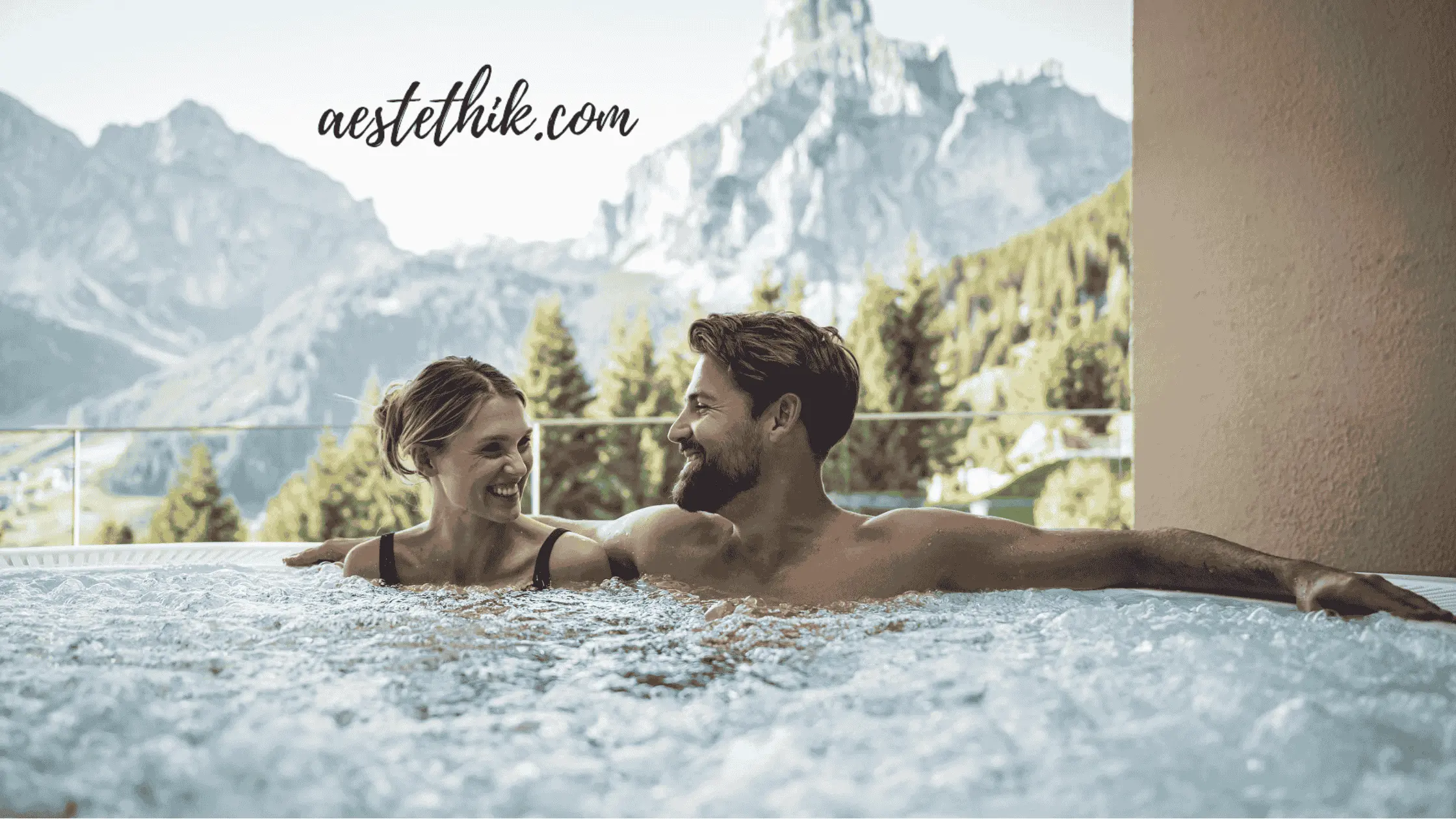
The 7 Best Luxury Wellness & Spa Resorts in Switzerland
Indulge in the pinnacle of alpine relaxation. From thermal baths with mountain views to world-class holistic treatments at Switzerland’s most elite resorts.
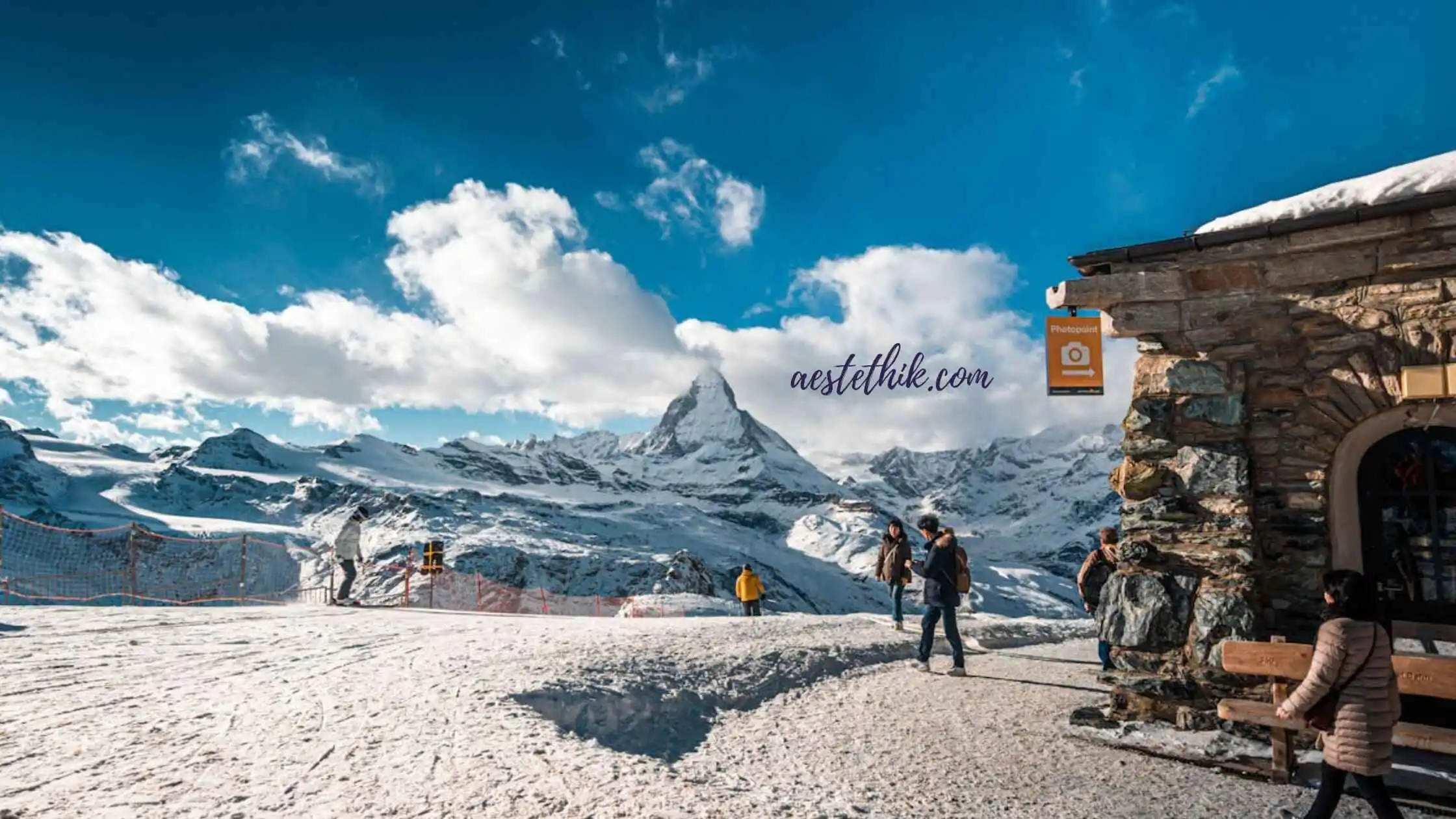
The Best 10 Glacier View Hotels for a 2026 Winter Trip
Wake up to glaciers outside your window — curated hotels perfect for 2026 winter escapes, with ski access, cozy spas and unbeatable mountain views.
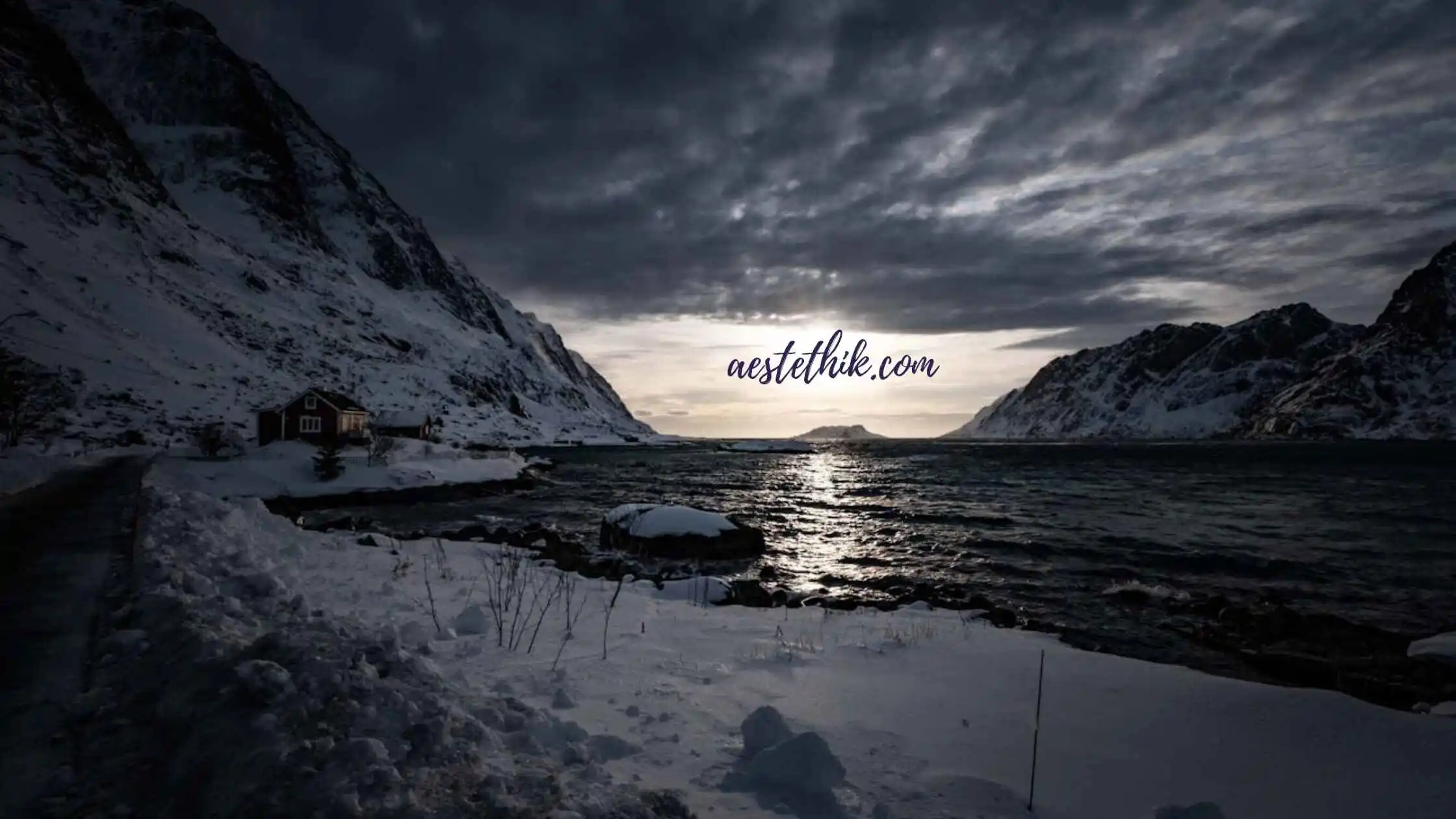
Svalbard, Norway: Luxury Guide to Northernmost Aesthetic
Step into the epicenter of “Quiet Luxury” at 78° North. Explore elite wildlife encounters and the minimalist aesthetic of the world’s northernmost frontier.
Frequently Asked Questions | Faroe Islands — Digital Nomads
Practical answers for nomads: connectivity, travel logistics, costs, safety and the best islands for focused remote work.
What is the best month to visit the Faroe Islands for digital nomads?
Is the Wi-Fi in the Faroe Islands fast enough for video calls?
Do I need to rent a car to explore the Faroe Islands properly?
How much does a 5-day trip to the Faroe Islands cost (example estimate)?
Are there any dedicated co-working spaces in Tórshavn?
Which Faroe Islands attractions require hiking permits or advance booking?
Is the Faroe Islands part of the Schengen Area for visa purposes?
What is the best way to get from the airport to Tórshavn?
Can I use my EU SIM card in the Faroe Islands without roaming charges?
What are the top safety tips for hiking alone in the Faroe Islands?
Which islands are best for a quiet “deep work” retreat?
What is the “Closed for Maintenance” weekend in the Faroe Islands?
Where can I find the best local food in Tórshavn?
Are the undersea tunnels in the Faroe Islands expensive to use?
What should I pack for a 5-day Faroe Islands itinerary?
Connect with Aestethik ~ Receive Premium Stories, Tips & Guides for FREE!
Connect with us on LinkedIn, YouTube, Instagram, Facebook and Pinterest. Join now ⟶