
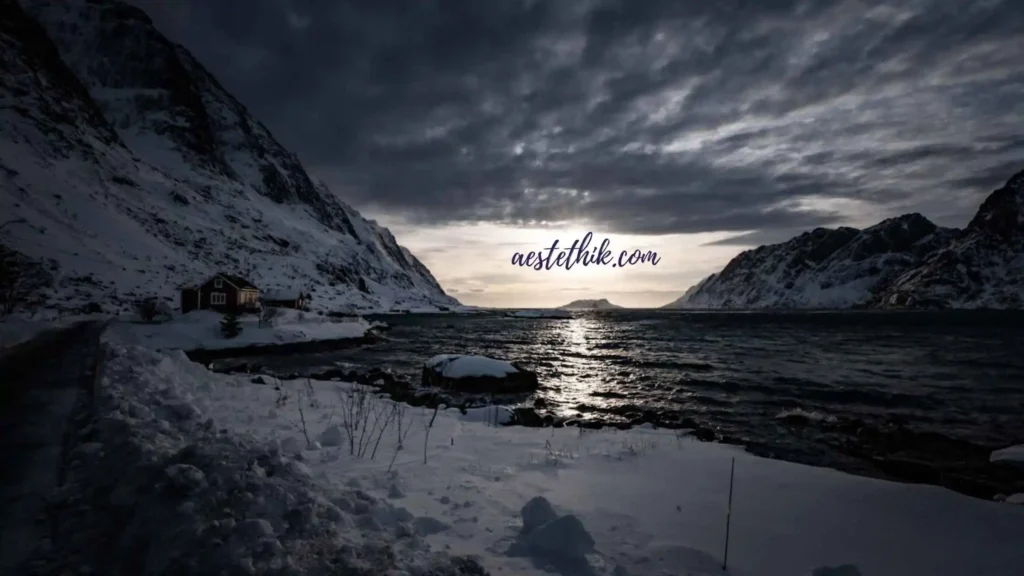
Short Answer: In 2026, luxury travel to Svalbard is defined by low-impact, specialist-led expeditions. High-end travelers prioritize small ice-class vessels (under 200 passengers) to comply with 2025 environmental regulations regarding protected area landings. Key stays include Funken Lodge and the remote Isfjord Radio. Access requires transit through Norway, necessitating ETIAS authorization for international visitors and adherence to strict new polar bear distance protocols (300m–500m).
At a glance | Svalbard, Norway: The Ultimate Luxury Guide to the Northernmost Aesthetic
- Best season: June–August for 24-hour Midnight Sun and coastal cruises. March–April offers “Sunny Winter”—ideal for luxury snowmobile safaris and dog sledding.
- Stay: 5-star Funken Lodge in Longyearbyen for plush sophistication, or the remote Isfjord Radio boutique hotel for windswept wilderness elegance.
- Wildlife: Mandatory 500m distance for polar bears (Mar-Jun) and 300m otherwise. Expert-led, armed guides are legally required for all travel outside town limits.
- Transport: Direct flights to Longyearbyen (LYR) via Oslo or Tromsø. Note: There are no roads between settlements; travel is by boat, snowmobile, or private yacht.
- Elite Access: Private micro-expeditions (max 12-20 guests) offer the most flexible landing options under the new 2025 environmental acts.
The Architecture of Light: Why Svalbard Now?
You prize curated travel that feels intentional rather than ostentatious. Svalbard rewards the traveler who values time, silence, and expert-led encounters over crowded “bucket-list” checkboxes. In the high Arctic, luxury is not measured in gold leaf, but in the clarity of the air and the exclusivity of the access.
This guide serves as a practical, elevated roadmap for 2026: navigating the nuances of the “Midnight Sun,” selecting the few vessels capable of navigating the latest environmental restrictions, and securing a seat at the world’s most remote fine-dining tables.
The Seasonal Shift
The archipelago’s light cycles are the primary architect of any itinerary. To visit Svalbard is to submit to the rhythm of the sun—or the lack thereof.
- The Polar Summer (May – September): The sun never sets, softening glacier walls into an endless film of ice and blue. This is the window for maritime exploration and wildlife spotting.
- The Sunny Winter (March – May): The return of the sun creates a “blue hour” that lasts for weeks. This is the season for high-end “land-based” adventure: dog-sledding and electric snowmobile safaris.
- The Polar Night (October – February): A period of deep, cobalt twilight. The luxury here is found indoors—intimate tasting menus and the ethereal dance of the Aurora Borealis.
The 2026 Seasonality Matrix
Choosing your window is the most critical decision in the planning process.
| Month | Light Condition | Avg Temp (°C) | The Aestethik Perspective |
| Jan – Feb | Polar Night | -15° to -20° | Deep isolation; ideal for Aurora hunting and Huset’s wine cellar. |
| Mar – Apr | Sunny Winter | -10° to -15° | The “active” luxury season. Golden hour light for photography. |
| May – Jun | Midnight Sun | -2° to 5° | Prime calving season for glaciers; peak bird cliff activity. |
| Jul – Aug | Polar Summer | 4° to 10° | Maximum maritime access; best for circumnavigating Spitsbergen. |
| Sept – Oct | Twilight | -5° to 2° | The “quiet” shoulder. First snowfalls and the return of shadows. |
Longyearbyen: The Anchor of Arctic Sophistication
Longyearbyen is no longer merely a base camp; it is a micro-hub of Nordic gastronomy and minimalist design.
Funken Lodge
Set slightly apart from the town center, Funken Lodge offers the definitive high-end stay. The aesthetic is “Arctic library”—low ceilings, dark wood, wool throws, and an extensive collection of historical polar literature. The service is quiet and anticipatory. In 2026, the hotel remains the primary choice for those who want a formal base before or after an expedition cruise.
Huset: Gastronomy at 78° North
Dining in Longyearbyen is an intellectual exercise as much as a culinary one. Huset remains the touchstone. Its wine cellar—one of the largest in Scandinavia with over 15,000 bottles—is a marvel of logistics and passion. The 2026 tasting menus focus heavily on “Svalbard-sourced” ingredients: bearded seal, ptarmigan, and Arctic char, prepared with a sophistication that rivals Oslo or Copenhagen.
Isfjord Radio: The Outpost
For the intentional traveler, a two-night stay at Isfjord Radio Adventure Hotel is mandatory. Accessible only by boat or snowmobile, this former radio station has been transformed into a boutique retreat. It is the pinnacle of “remote luxury”—a wood-fired sauna overlooking the black waters of the Greenland Sea and interiors that feel like a trusted wool coat.
The Fleet: Selecting Your Vessel
As of 2025, the Norwegian government implemented strict caps on passenger numbers in protected areas. Large-scale cruising is effectively dead in the high Arctic. For 2026, your choice must be a small-capacity, ice-class vessel.
The 2026 Expedition Shortlist
| Vessel | Max Pax | Ice Class | The “X” Factor |
| Silver Endeavour | 200 | PC6 | All-suite, butler service, and a glass-enclosed atrium. |
| Le Commandant Charcot | 200 | PC2 | The world’s only luxury icebreaking ship; hybrid-electric. |
| Scenic Eclipse II | 228 | PC6 | Onboard submarines and helicopters for “360-degree” exploration. |
| Ultramarine | 199 | PC6 | Optimized for speed and “flightseeing” via dual helicopters. |
The Verdict on 2026 Trends:
The trend has shifted toward scientific immersion. Travelers now expect more than a cocktail on the deck; they want to assist in citizen science projects, such as phytoplankton sampling or whale tracking, led by onboard PhD naturalists.
The New Rules of Engagement
Luxury in 2026 is inseparable from ethics. Following the regulatory overhaul in 2025, Svalbard enforces some of the world’s strictest environmental laws.
- The 500-Meter Rule: Between March 1 and June 30, vessels and individuals must remain at least 500 meters from polar bears. For the rest of the year, the distance is 300 meters. This makes high-quality optics (Swarovski or Leica) a more important “luxury” than a fancy cabin.
- The Landing Site Matrix: Only 43 designated sites allow for landings by ships with more than 12 passengers. If your goal is true solitude, consider a private yacht charter (12 pax or fewer), which avoids these restrictions and allows for bespoke landings.
- Heavy Fuel Oil (HFO) Ban: This is now fully enforced. Ensure your operator uses Marine Gas Oil (MGO) or hybrid systems to avoid steep fines and entry denials.
Logistics and the 2026 Travel Landscape
Reaching the edge of the world requires a choreographed approach to logistics.
The ETIAS and Visa Nuance
By 2026, the ETIAS (European Travel Information and Authorisation System) is fully operational. While Svalbard itself is a visa-free zone under the Svalbard Treaty, you cannot reach it without passing through Norway. Most travelers will need an ETIAS to enter the Schengen Area in Oslo or Tromsø before boarding their flight to Longyearbyen.
Pro Tip: Ensure your passport has at least six months of validity and that you have proof of Search and Rescue (SAR) insurance. Standard travel insurance often excludes “High Arctic” evacuations.
Digital Tools for the Modern Explorer
- Wanderlog: For mapping your Longyearbyen galleries and coffee shops.
- Yr.no: The only weather app accurate enough for the Arctic’s micro-climates.
- Starlink: Most 2026 vessels now offer high-speed Starlink connectivity, but the “luxury” choice is often to remain disconnected while in the fjords.
The Packing Aesthetic: Arctic Uniform
Forget “resort wear.” Luxury in Svalbard is functional.
- The Base: Merino wool (Mons Royale or Icebreaker).
- The Mid: A high-loft down or PrimaLoft layer.
- The Shell: Gore-Tex Pro is the industry standard. Many high-end expeditions (like Silversea) provide a complimentary parka, but you should bring your own tailored shell for land-based days.
- Optics: A pair of 10×42 binoculars. In 2026, seeing a bear at 500 meters requires professional-grade glass.
The “Aestethik” 8-Point Pre-Departure Checklist
- Verify ETIAS Status: Ensure your authorization is linked to your current passport.
- SAR Insurance: Confirm your policy covers up to $100,000 for Arctic extraction.
- Biosecurity Check: Clean all outerwear, especially Velcro and boot treads, to prevent the introduction of invasive species.
- Photography Kit: Bring extra batteries (lithium-ion drains 30% faster in sub-zero temps).
- Private Transfers: Arrange for a private vehicle from LYR airport; while the shuttle is efficient, it lacks the privacy a luxury itinerary demands.
- Dining Reservations: Book Huset and Gruvelageret at least three months in advance.
- Boot Rental: Don’t pack heavy boots; reserve professional-grade Muck boots or Sorel polar-rated gear through your lodge.
- The Mindset: Accept that the ice is the boss. If a fjord is blocked, the alternate route is often where the magic happens.
Key Takeaways for the Intentional Traveler
- Privacy is the New Luxury: Small ships (under 200 pax) are the only way to experience the archipelago’s protected inner sanctums.
- The 2025 Regulations are Final: Polar bear distances and landing site limits are non-negotiable and strictly policed by the Governor of Svalbard (Sysselmesteren).
- Gastronomy is Essential: The culinary scene in Longyearbyen is a vital part of the cultural narrative, not just a meal.
Recommended Travel Tales
Curated guides for luxury wellness, smart stays, and budget hacks.

The 7 Best Luxury Wellness & Spa Resorts in Switzerland
Indulge in the pinnacle of alpine relaxation. From thermal baths with mountain views to world-class holistic treatments at Switzerland’s most elite resorts.
Hotel vs Airbnb 2026 | Best For Weekend, Business & Loyalty
Choosing the right stay in 2026. We compare hotel loyalty perks and concierge service against the local immersion and space of premium Airbnb rentals.
How to Find Cheap Flights in 2026 – Best Time to Book & Pro Hacks
Master the 2026 airfare market with pro techniques. Discover the “Goldilocks” booking window and tools to secure the lowest rates for your next escape.
Frequently Asked Questions | Svalbard: The High Arctic
Essential information for your Arctic expedition—from polar bear safety and visa requirements to luxury amenities and local traditions.
What are the must-see spots in Svalbard, Norway for a 3-day trip?
Are there any free attractions in Longyearbyen?
How do I safely book polar bear tours in Svalbard, Norway?
Do I need a visa for Svalbard, Norway if I have a Schengen visa?
What is the best luxury hotel in Longyearbyen?
Can you see polar bears in Longyearbyen?
What is the “Polar Plunge”?
Is there high-speed Wi-Fi in Svalbard, Norway?
What is the currency?
Can I fly a drone in Svalbard, Norway?
What is the “Blue Hour”?
How far is Svalbard from the North Pole?
Do people live in Svalbard year-round?
What is the most common wildlife to see?
Is tap water safe?
Why are there no burials in Svalbard?
Is there a hospital?
Can I drive between settlements?
What should I wear for a Zodiac landing?
What is the “Midnight Sun”?
Connect with Aestethik ~ Receive Premium Stories, Tips & Guides for FREE!
Connect with us on LinkedIn, YouTube, Instagram, Facebook and Pinterest. Join now ⟶