
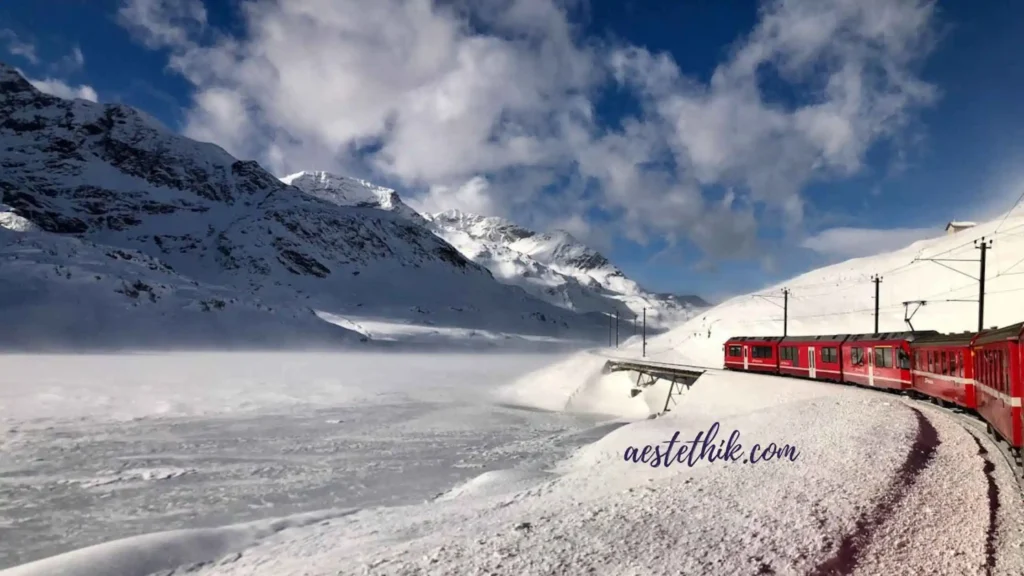
Direct Answer: Is the Swiss Travel Pass Worth it in 2026? The Swiss Travel Pass is worth it in 2026 for travelers covering more than two regions or those prioritizing frictionless, high-end movement. With the Swiss Half Fare Card rising to CHF 150 this year, the “break-even” point for a 3-day 1st Class pass is approximately CHF 135 in daily transit. It remains the definitive choice for families, as the Swiss Family Card ensures children under 16 travel entirely free.
At a glance | Is the Swiss Travel Pass Worth It? (2026)
- 2026 Pricing: Ranges from CHF 254 (3-day, 2nd Class) to CHF 787 (15-day, 1st Class). Youth (under 25) receive a ≈30% discount, making the 3-day pass just CHF 179.
- “Free” Mountains: While most summits cost extra, Mt. Rigi, Stanserhorn, and Stoos are 100% included. These excursions alone can save you over CHF 70–100 per person.
- The “Convenience” Factor: Unlike the Half Fare Card, you never need to buy a ticket for standard trains, buses, or boats. Just hop on and show your QR code.
- Museum Value: Includes the Swiss Museum Pass (worth ≈CHF 177), granting free entry to 500+ sites like Chillon Castle and the FIFA Museum.
- Family Savings: The free Swiss Family Card allows children aged 6–15 to travel entirely for free when accompanied by a parent. Kids under 6 always travel free.
- Panoramic Savings: Covers the full ticket price for the Glacier Express and Bernina Express, though mandatory seat reservations (CHF 10–49) are always extra.
- Do you plan to visit Mt. Rigi or Stanserhorn? (Adds high value).
- Will you visit 2+ museums? (Adds ≈CHF 40 value).
- Are you traveling with children under 16? (Massive value via Family Card).
- Do you hate using ticket machines? (The Pass is the only 100% “hop-on” option).
The Zurich Prestige Series
Curating the pinnacle of Swiss hospitality. Discover Zurich’s most exclusive lakeside retreats and historic architectural sanctuaries.
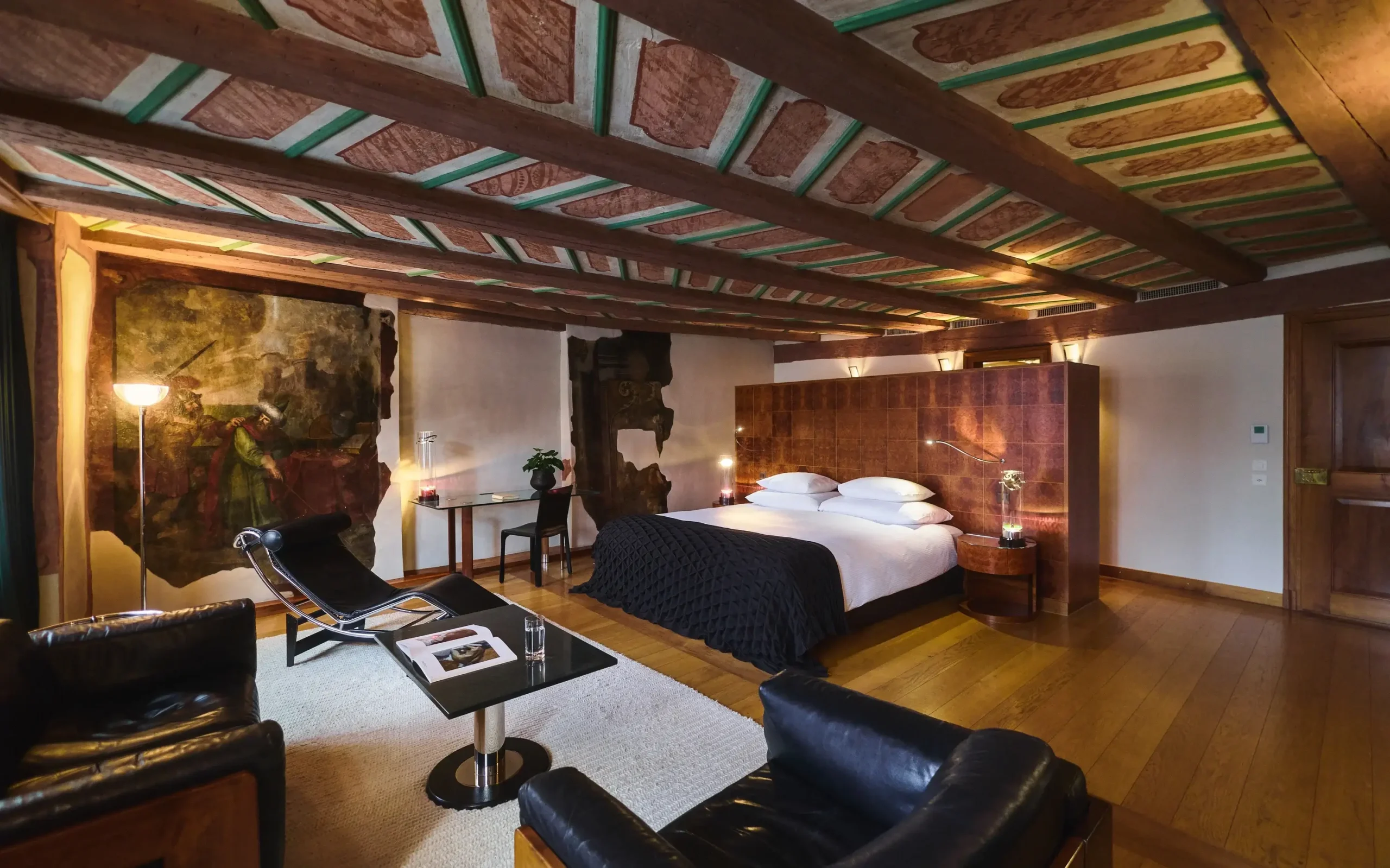
Residences by Widder
Exclusive, sprawling residences blending medieval architecture with avant-garde design in the heart of Zurich’s Old Town.
Reserve Private Residence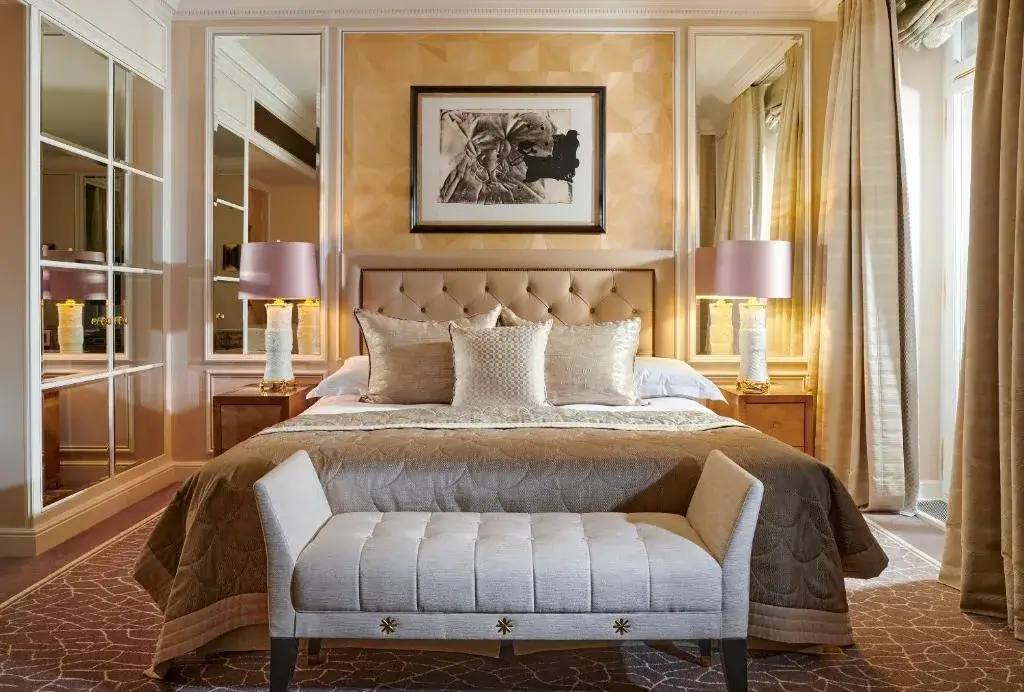
Baur au Lac
An undisputed legend of Swiss hospitality set within its own private park overlooking Lake Zurich and the Alps.
View Exclusive Rates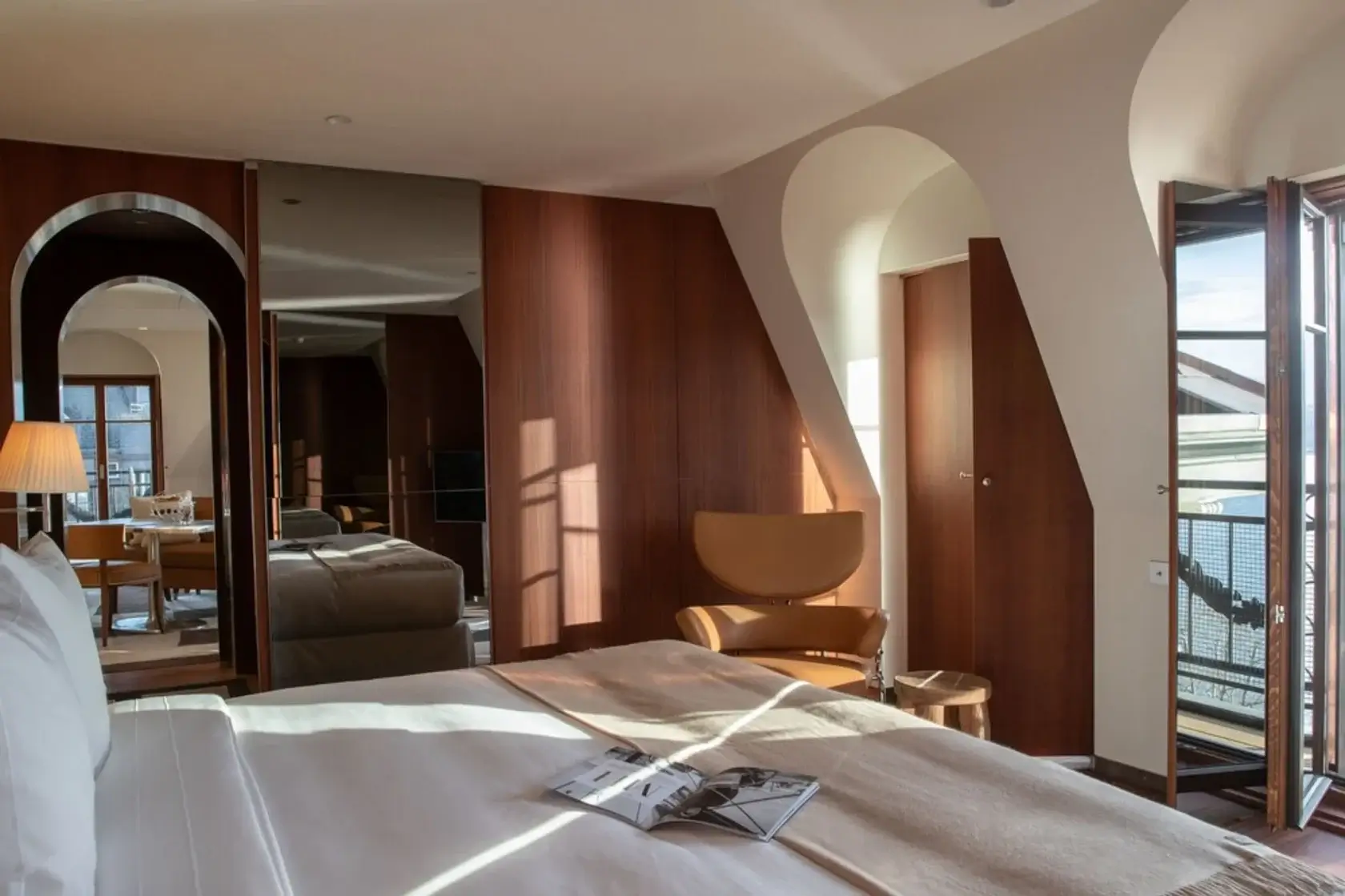
La Réserve Eden au Lac
An imaginative, yacht-club-inspired oasis reimagined by Philippe Starck, offering vibrant elegance on the lakeshore.
Check AvailabilityThe Intentional Approach
You dislike the logistical friction that can erode a carefully planned itinerary—the queuing at kiosks, the search for regional fare zones, the transactional noise. I agree. The value of a Swiss rail journey isn’t just in the destination, but in the silence of a 1st-class carriage. This guide provides the 2026 calculus so you can decide with confidence.
The Insider Move: Use the pass for the Belle Époque upper deck on Lake Lucerne. Standing at the varnished wood rail as the steamer cuts through Alpine light isn’t just “transit”—it’s a curated experience that justifies the pass on its own.
The 2026 Update: The Headline Numbers
SBB has implemented modest fare adjustments for 2026. The most significant shift for luxury travelers is the Swiss Half Fare Card price increase to CHF 150 (for cards valid from January 1, 2026). This narrows the gap between “pay-as-you-go” and the unlimited convenience of the full Pass.
The Nuance: While headline prices have risen, the “hidden” value has compounded. In 2026, the pass covers over 500 museums and grants full inclusion for mountain excursions like Mt. Rigi, Stoos, and Stanserhorn—all of which have seen individual ticket price hikes this year.
The Geneva Gold Standard
From the historic banks of Lake Geneva to ultra-private wellness sanctuaries, experience the pinnacle of Swiss hospitality.
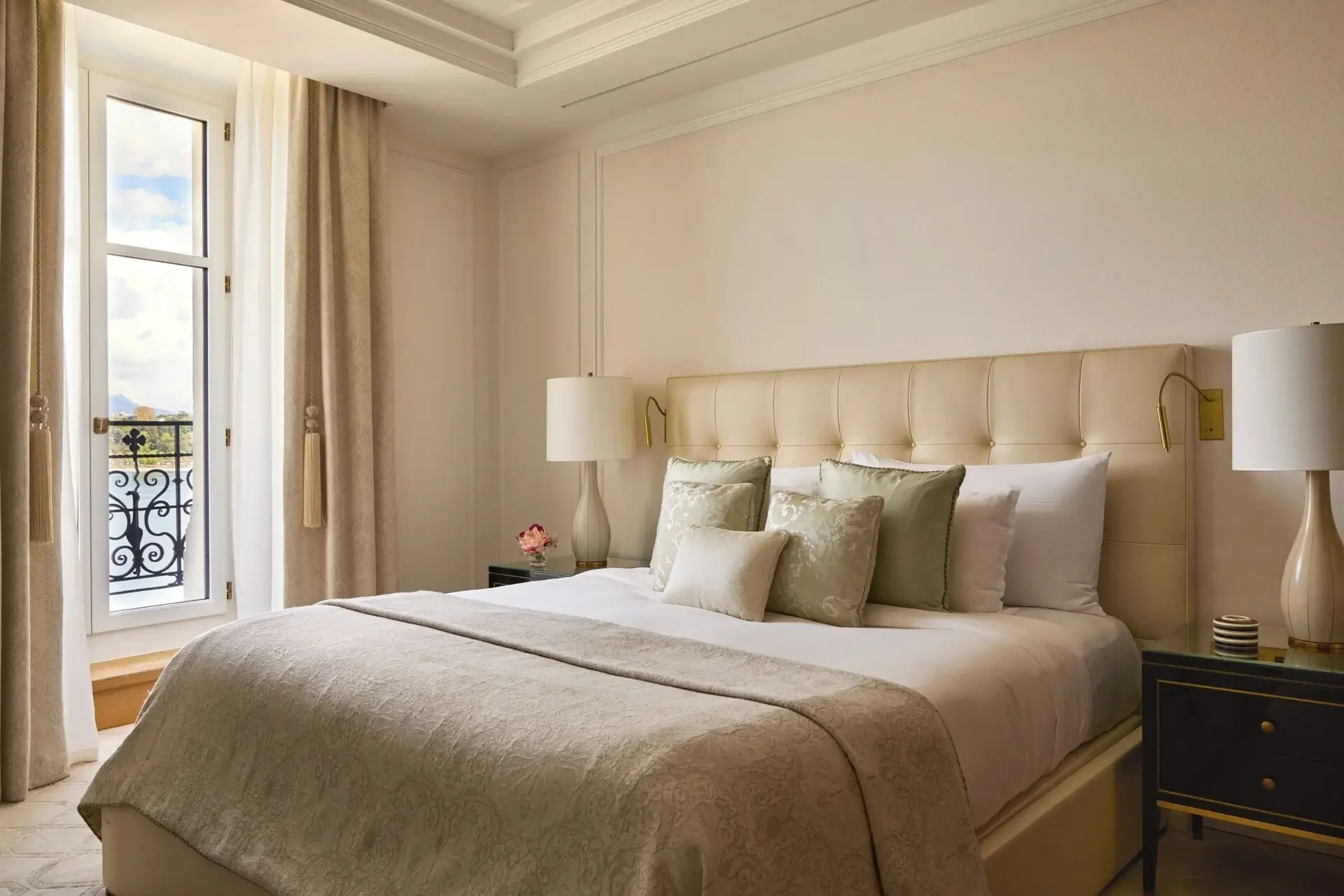
The Woodward
Geneva’s first all-suite hotel. A lakeside masterpiece featuring Michelin-starred dining and world-class Guerlain spa facilities.
Reserve Your Suite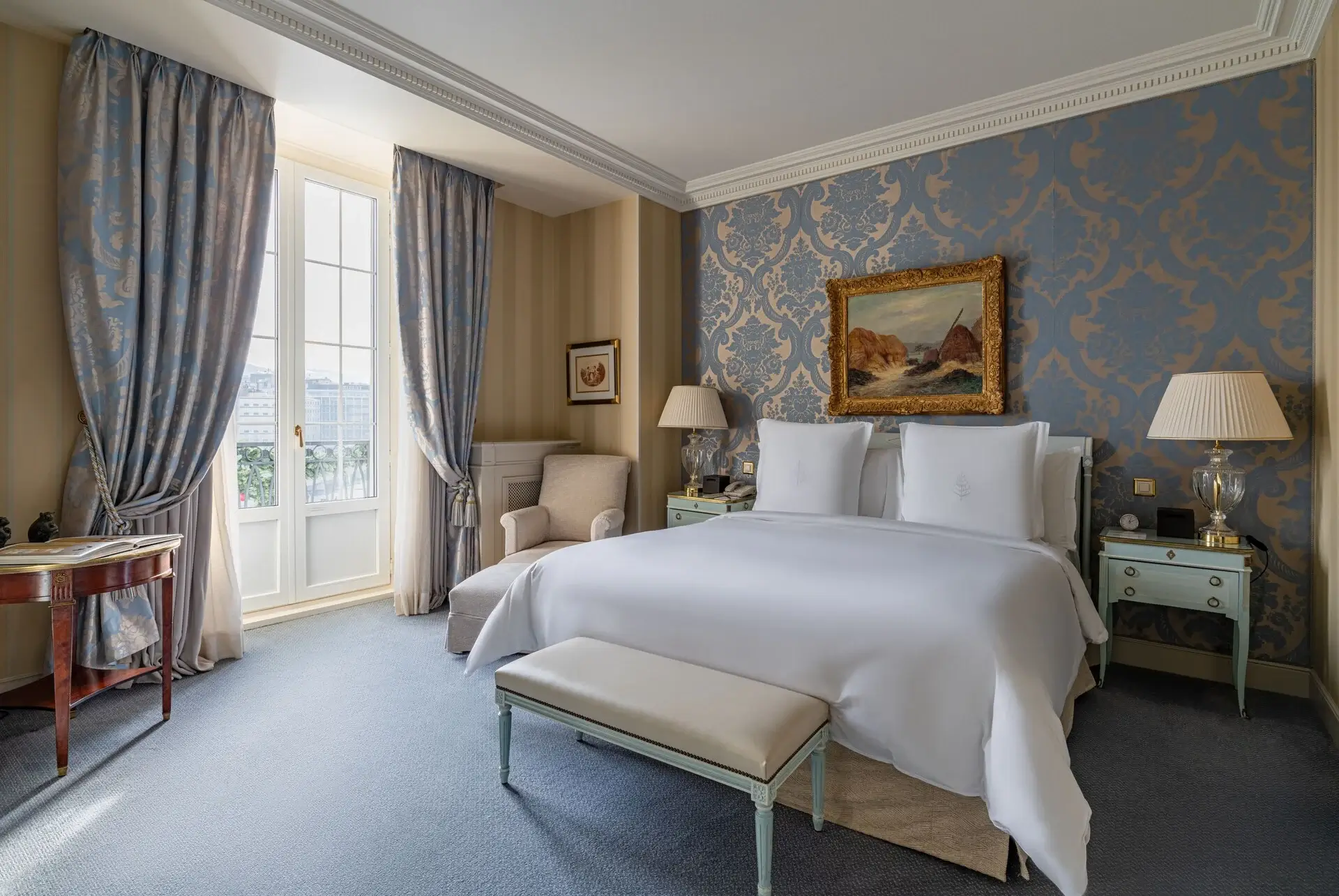
Four Seasons des Bergues
The oldest grand hotel in Geneva, blending historic elegance with panoramic views of the Jet d’Eau and the Alps.
Unlock Rates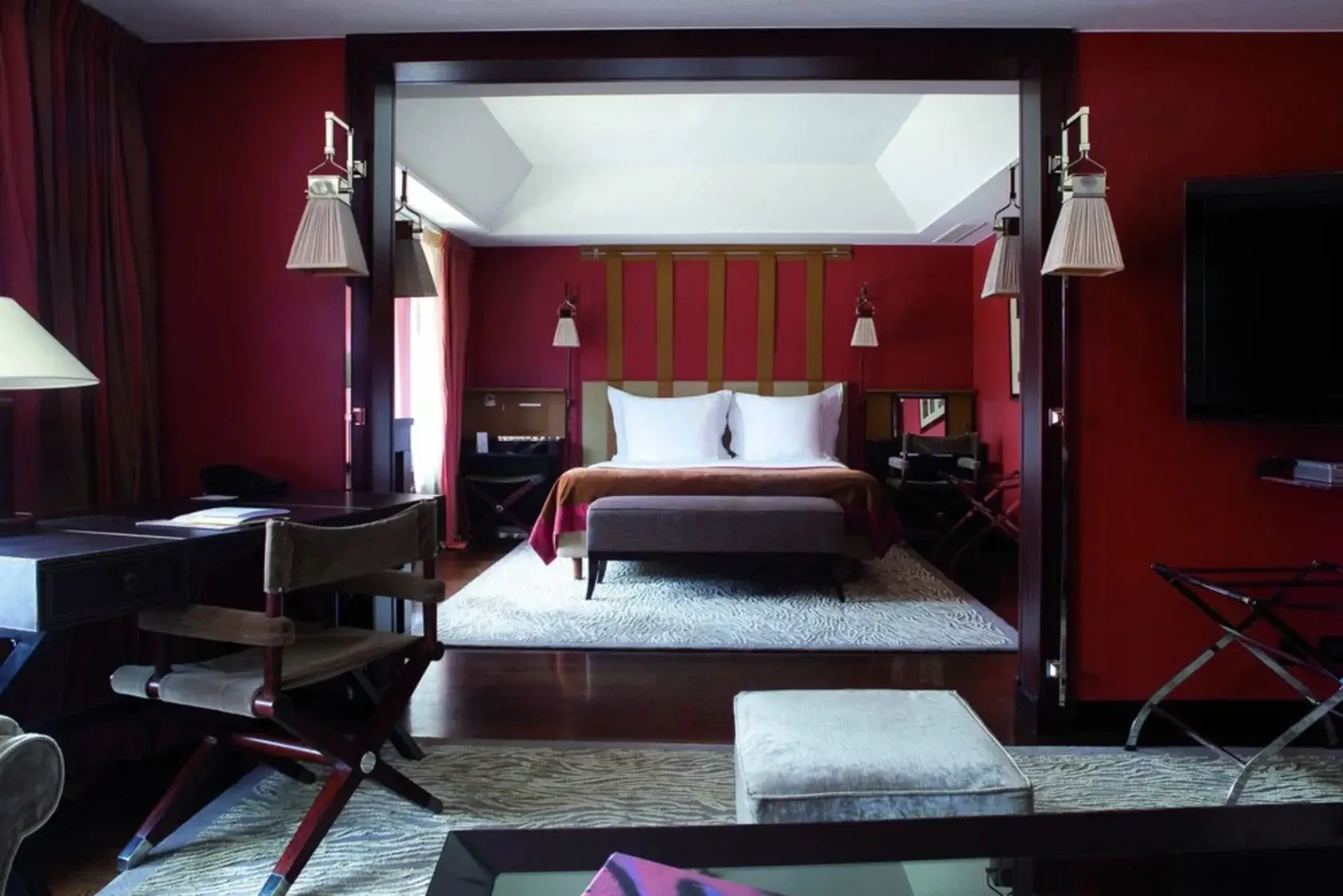
La Réserve Genève
Set within a private 10-acre park, this lakeside resort is a haven for wellness, featuring the renowned Nescens Spa.
Check AvailabilityThe 1st Class Calculus: Breaking Even
For the 1st Class traveler, the decision rests on “Daily Transit Value.”
- The Break-Even Rule: If your planned route (e.g., Zurich to Zermatt or the Glacier Express) exceeds CHF 135 per day, the 3-day pass is a mathematical win. For longer itineraries (8 or 15 days), the daily threshold drops significantly, making the pass an unequivocal “yes.”
- The Sensory Edge: Presenting a single QR code and stepping into a 2+1 seating configuration sets the tone for the day. There is no “transaction noise,” only the steady, quiet hum of a precision-engineered journey.
Verdict:
- Who it’s for: Multi-city travelers and those seeking the quietest, most spacious carriages.
- Who it’s not for: Travelers basing themselves in a single village for 10+ days with minimal regional movement.
Comparison: Swiss Travel Pass vs. Half Fare Card
With the Half Fare Card now at CHF 150, the administrative load of buying discounted tickets for every leg often outweighs the minor savings.
| Product | 2026 Price (1st Class Adult) | Best For |
| Swiss Travel Pass (3-Day) | CHF 405 | High-movement, multi-region luxury. |
| Swiss Travel Pass (8-Day) | CHF 697 | The standard for “Grand Tour” itineraries. |
| Swiss Travel Pass (15-Day) | CHF 787 | Maximum ROI for slow-travel enthusiasts. |
| Swiss Half Fare Card | CHF 150 | Very low-movement, single-base stays. |
The Zermatt Alpine Series
Curating the pinnacle of high-altitude luxury. Discover Zermatt’s most exclusive mountain retreats and unmatched Matterhorn views.
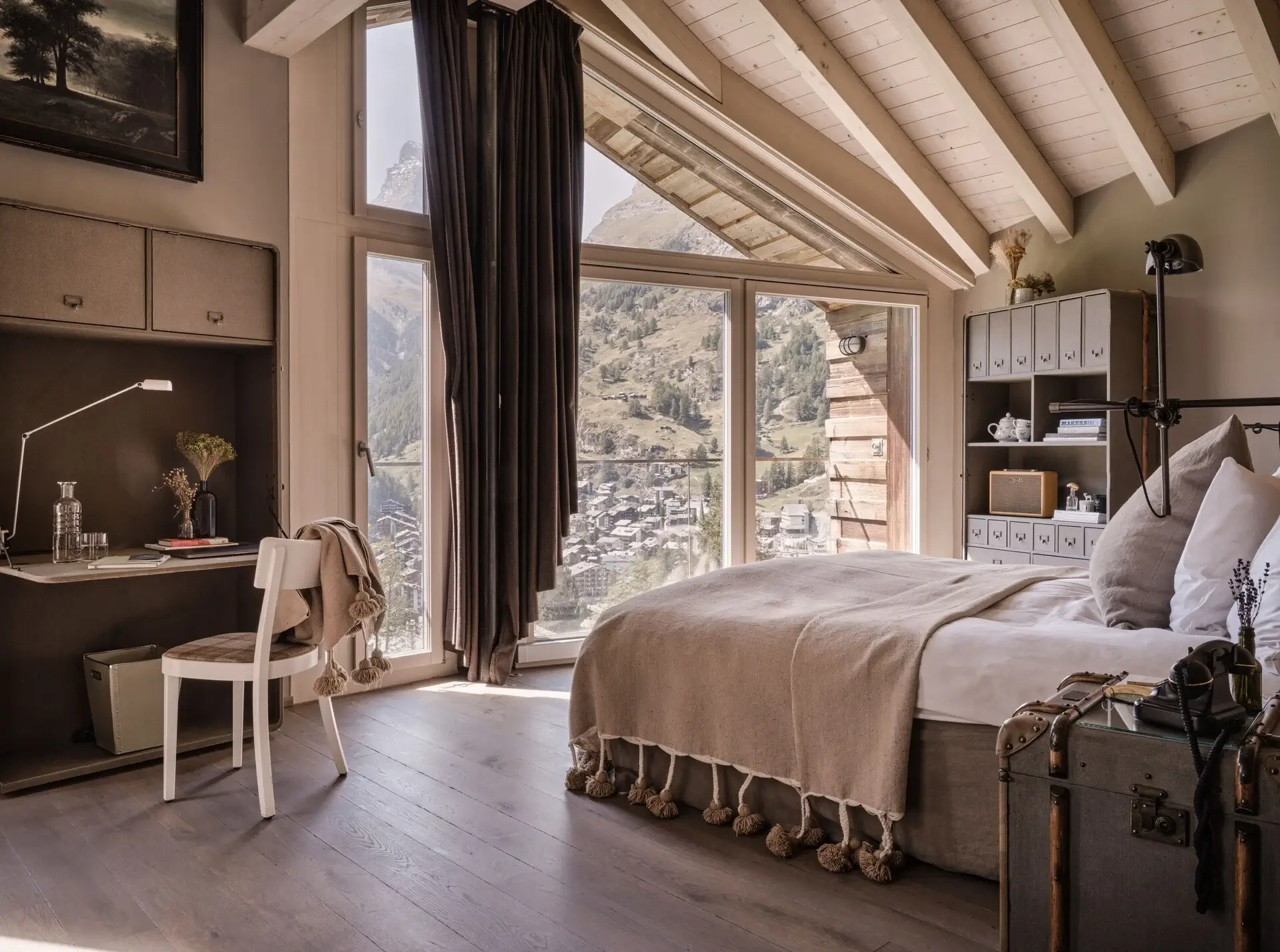
CERVO Mountain Resort
A conscious, modern retreat blending sustainable luxury with ski-in/ski-out access and breathtaking Matterhorn panoramas.
Discover CERVO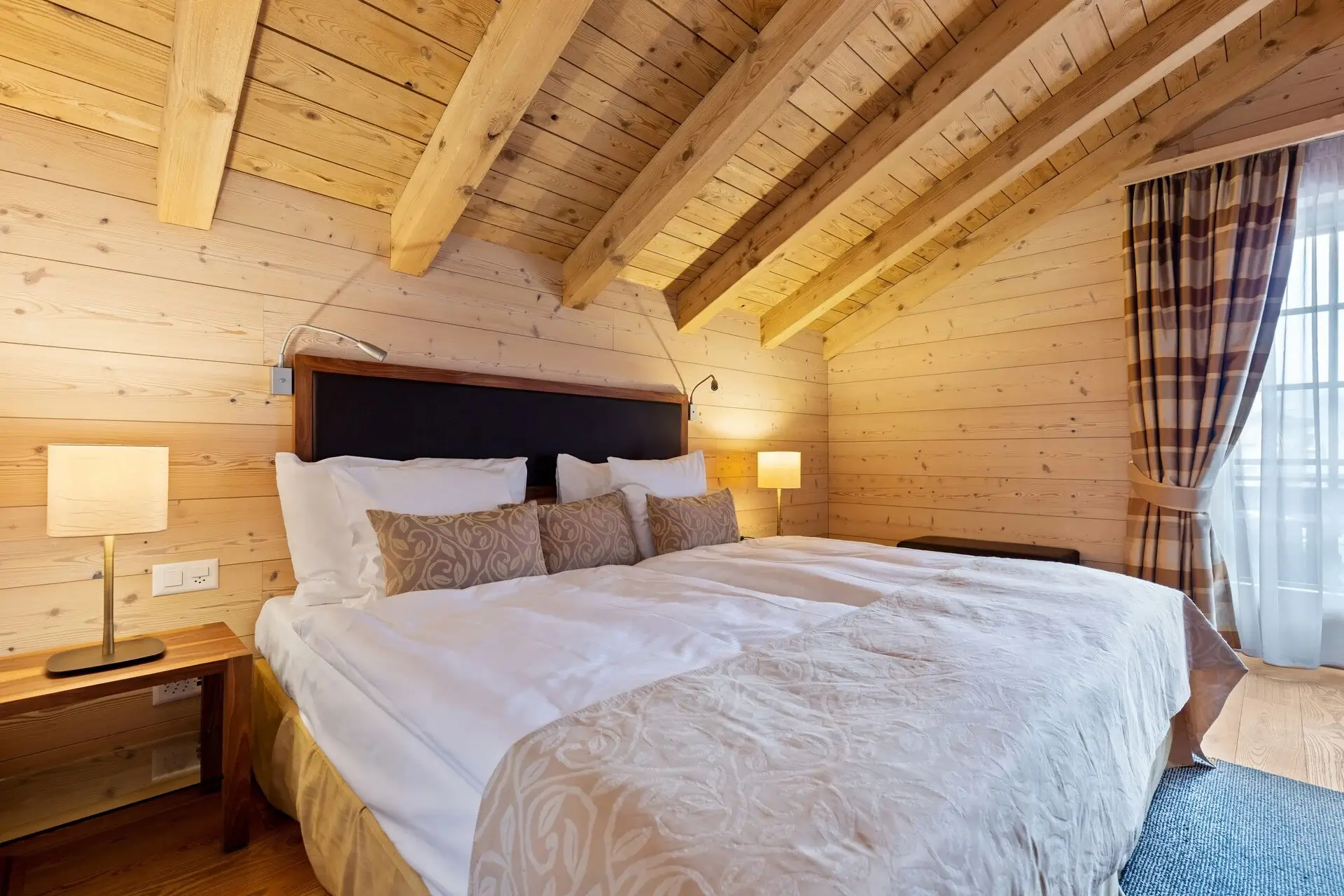
Grand Hotel Zermatterhof
A masterclass in traditional Swiss hospitality. Arrive by horse-drawn carriage to this legendary 19th-century palace.
Step Into History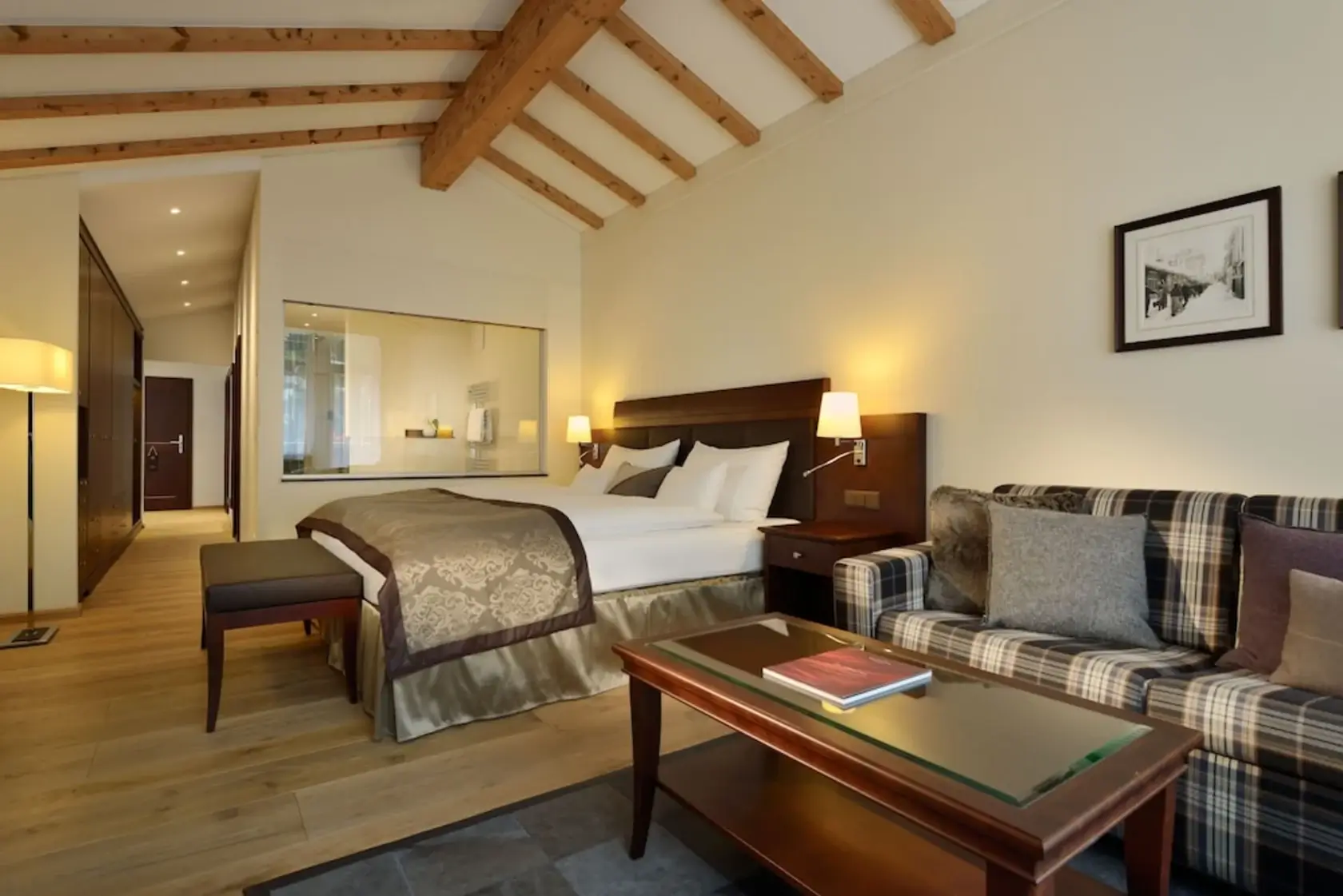
Mont Cervin Palace
A legendary member of the Leading Hotels of the World, delivering timeless Swiss charm and carriage arrivals since 1852.
Reserve the PalaceBook Flight To Nearby Airport
When you travel, your time and comfort are your most valuable assets. That is why we recommend bypassing the hassle and booking your premium flights directly through below widget. Known for its powerful search technology, Kiwi makes securing the perfect, high-end itinerary effortless.
Whether you are flying for a crucial business meeting or a luxury getaway, booking the right flight sets the tone for your entire trip. We always recommend prioritizing direct flights in Business or First Class. Direct routes save you hours of exhausting layovers, while premium cabins offer priority boarding, exclusive lounge access, lie-flat seats, and superior dining. You arrive at your destination refreshed, respected, and ready to go.
Ready to secure your seat? Use the search tool below to find the best premium routes. Here is exactly how to tailor your search for the ultimate travel experience:
Your Step-by-Step Guide to Booking
1. Choose Your Journey Type Start by selecting either a One-way or Return trip at the top of the search box.
2. Upgrade Your Experience (Crucial Step) Click the cabin class dropdown and select Business Class or First Class. Skip the economy section—investing in a premium cabin ensures you get the exceptional service, extra space, and luxurious amenities you deserve from takeoff to touchdown.
3. Add Your Travel Companions Select the number of passengers traveling with you. Ensuring everyone is in the same premium cabin guarantees a cohesive and relaxing trip for your whole party.
4. Select Your Baggage Requirements Choose your checked and cabin baggage. A major perk of flying Business or First Class is that generous baggage allowances are almost always included, so you never have to pack light unless you want to.
5. Choose Currency: Select currency which you prefer for better understanding.
6. Enter Your Departure and Destination Input your home airport and where you are headed. Pro tip: Look for the direct flight options that populate. Direct flights dramatically reduce your travel time and minimize the risk of lost baggage or delays.
7. Search & Secure Your Flight Hit the Search button! This will instantly aggregate the best premium, direct routes available. Choose the schedule that fits your life, and complete your secure booking in just a few clicks.
Start Your Search Now:
The 2026 Panorama: Reservations and Fees
While the Swiss Travel Pass covers the base fare for panoramic trains, seat reservations remain mandatory.
- Glacier Express: The 2026 reservation fee remains CHF 54. Note: The route faces a brief partial closure on March 21–22, 2026 for infrastructure upgrades; plan accordingly.
- Bernina Express: High-season (May 2 – Oct 25, 2026) reservations are CHF 44.
The Strategy: For the GoldenPass Express, your 1st Class pass covers the fare, but I recommend the Prestige Class upgrade. It requires a small supplement but offers heated leather seats that rotate 180 degrees to face the view.
The Regulatory Shift: ETIAS 2026
A critical update for 2026 arrivals: The ETIAS (European Travel Information and Authorisation System) is entering full implementation in the latter half of the year.
- The Cost: As of January 1, 2026, the ETIAS fee has increased to €20.
- The Action: Ensure your digital authorization is linked to your passport at least 96 hours before landing in Zurich or Geneva.
Hidden Value: More Than Just Rails
The pass functions as a “Culture Key.”
- Museums: Free entry to 500+ locations, including the FIFA Museum and the Olympic Museum in Lausanne.
- Mountain Excursions: Fully included access to Stoos (the world’s steepest funicular) and Stanserhorn (the open-top CabriO cable car). In 2026, these individual tickets would cost CHF 52 and CHF 74 respectively—the pass pays for itself through these “add-ons.”
Final Checklist Before You Buy
- The Family Clause: If traveling with children aged 6–16, ensure you request the Swiss Family Card (free) at the time of purchase. It is the single greatest ROI booster in the Swiss travel system.
- Digital Storage: Download the SBB Mobile app. While the pass is a PDF, storing the QR code in your digital wallet is essential for the “frictionless” travel aestethik demands.
- The Buffer: If your itinerary includes an Italian border crossing (e.g., Brig to Domodossola), the pass covers the Swiss portion. Check your ETIAS status if you plan to exit the train on the Italian side.
Key takeaways
- The Swiss Travel Pass remains the best single product for multi-region, high-movement Swiss travel in 2026; 1st-class passes offer meaningful comfort and space.
- The Swiss Half Fare Card increases to CHF 150 in 2026; this narrows the gap but typically still favours the full pass for busy itineraries.
- Panoramic trains require mandatory seat reservations (Glacier Express reservation ~CHF 54 in 2026). Factor these fees separately.
- Families gain disproportionate value via the Swiss Family Card — children travel free when accompanied.
- Buy online, download the QR code, book panorama reservations early, and always run the simple break-even check: if average daily transit > CHF 130 (1st Class), the pass will likely pay.
Frequently Asked Questions | Swiss Travel Pass (2026)
Concise answers to common queries regarding pass coverage, mountain discounts, and logistics for the 2026 season.
Does the Swiss Travel Pass cover the train to Jungfraujoch completely?
Can I use the Swiss Travel Pass on the Glacier Express without paying extra?
Is the Swiss Travel Pass valid for local trams and buses in cities like Zurich and Geneva?
What is the difference between the Swiss Travel Pass and the Swiss Travel Pass Flex?
Do I need to validate the Swiss Travel Pass before every train ride?
Does the Swiss Travel Pass include boat rides on Lake Brienz and Lake Thun?
Is the Schilthorn cable car free with the Swiss Travel Pass in 2026?
Can I buy the Swiss Travel Pass at Zurich Airport upon arrival?
How much discount do I get on the Gornergrat train with the pass?
Is it cheaper to buy the pass in Swiss Francs (CHF) or my local currency?
Does the pass cover travel from Switzerland to Italy (e.g., Milan)?
Are seat reservations included in the price of the Swiss Travel Pass?
Can I get a refund if I don’t use the Swiss Travel Pass?
Is the Swiss Travel Pass worth it for a 3-day trip?
Do children under 16 travel free with the Swiss Travel Pass?
What happens if I lose my printed Swiss Travel Pass?
This FAQ section provides quick, definitive answers to the most common traveler queries regarding 2026 pass rules. Use these as a guide for your final purchase decision.
Connect with Aestethik ~ Receive Premium Stories, Tips & Guides for FREE!
Connect with us on LinkedIn, YouTube, Instagram, Facebook and Pinterest. Join now ⟶