
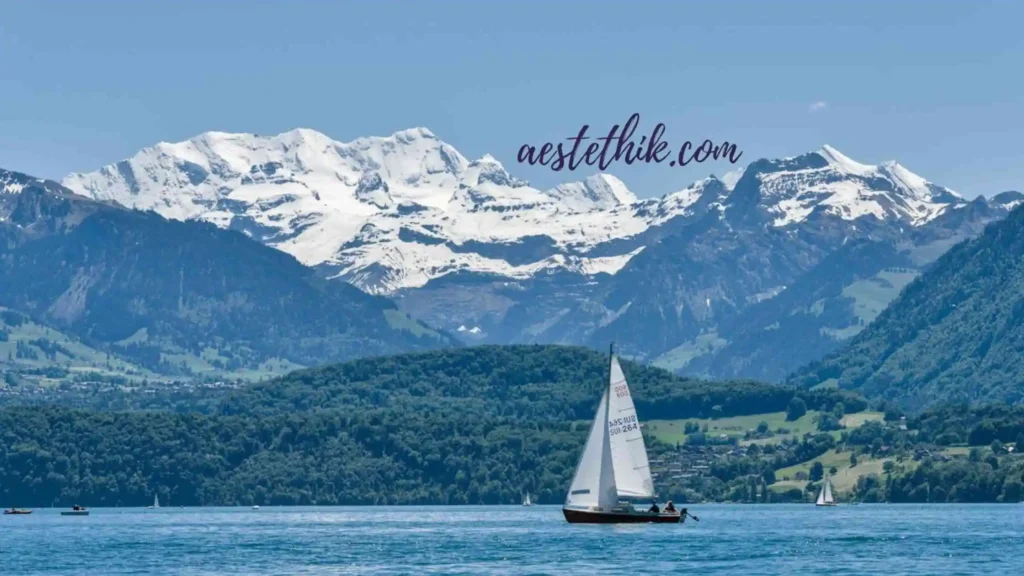
Short Answer: Interlaken sits between the emerald Lake Brienz and deep Lake Thun in Switzerland’s Bernese Oberland. The best time to visit is late spring to early fall (Apr–Oct) when boat cruises operate. Must-see activities include a boat trip on Lake Brienz (past Giessbach Falls) and Lake Thun, and a funicular ride up Harder Kulm for panoramic views. The Swiss Travel Pass covers both lake cruises and regional trains.
At a glance | Interlaken Brienz, Thun — The Best Lakes of Switzerland Guide
- Best season: Summer (June–August) is the busiest for cruises and swimming; spring and autumn offer mild weather, fewer crowds and excellent photography. Peak month: August.
- Top sights: Scenic cruises on Lake Brienz & Lake Thun, Giessbach Falls, Harder Kulm viewpoint, Thun Castle and Oberhofen Castle.
- Stay: Base yourself in Interlaken (Ost or West) for easy access to both lakes by train and boat.
- Transport: Swiss Travel Pass covers trains, PostBus routes and BLS boats on both lakes. Boat timetables are seasonal; trains run frequently year-round.
- Safety: Switzerland is extremely safe. Lakes are clean and suitable for swimming, though water stays cold due to Alpine meltwater.
The Zurich Prestige Series
Curating the pinnacle of Swiss hospitality. Discover Zurich’s most exclusive lakeside retreats and historic architectural sanctuaries.
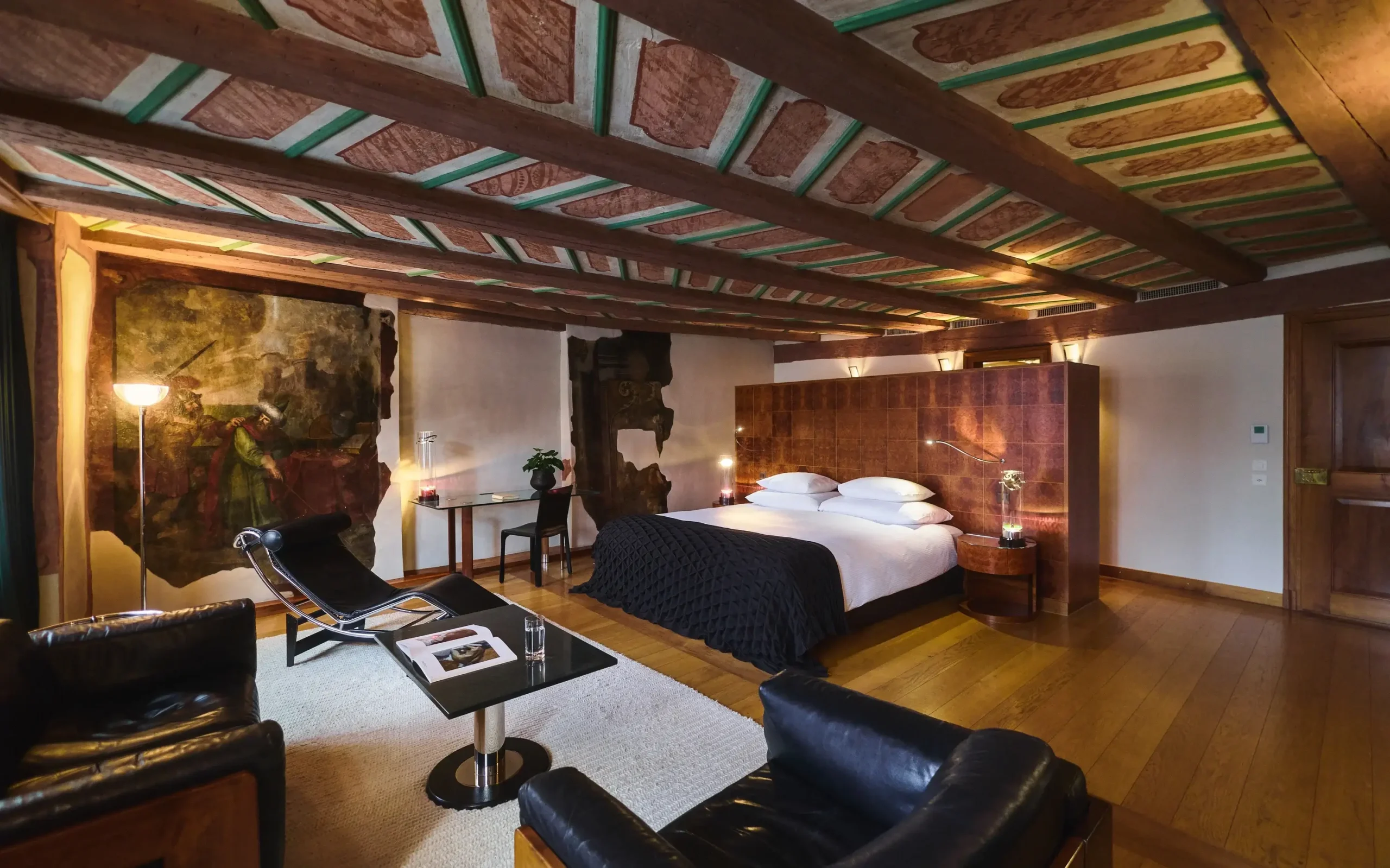
Residences by Widder
Exclusive, sprawling residences blending medieval architecture with avant-garde design in the heart of Zurich’s Old Town.
Reserve Private Residence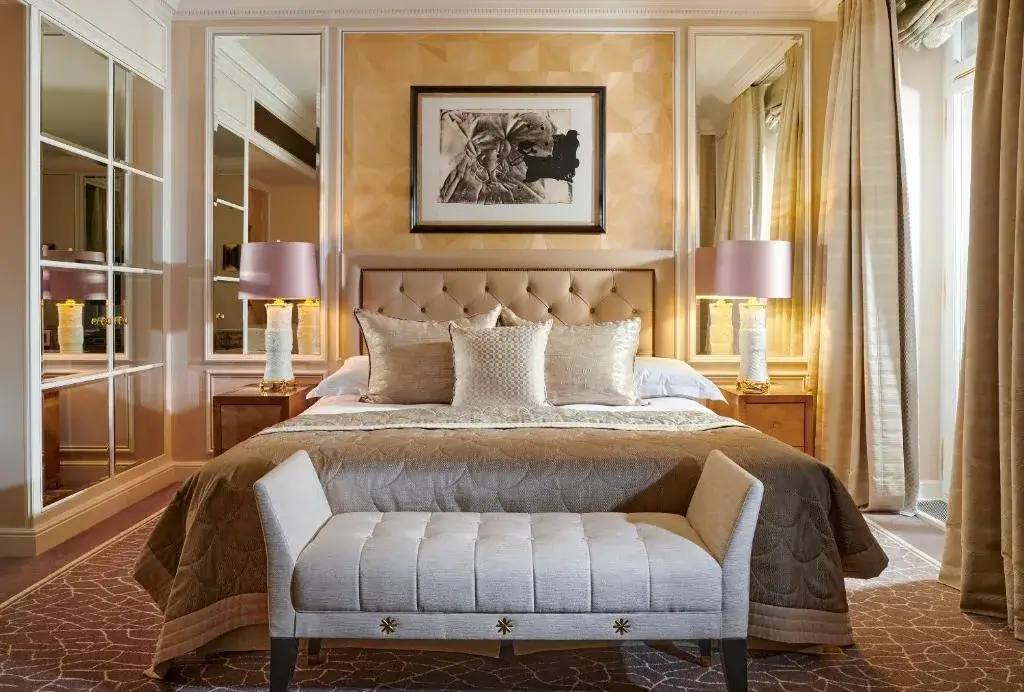
Baur au Lac
An undisputed legend of Swiss hospitality set within its own private park overlooking Lake Zurich and the Alps.
View Exclusive Rates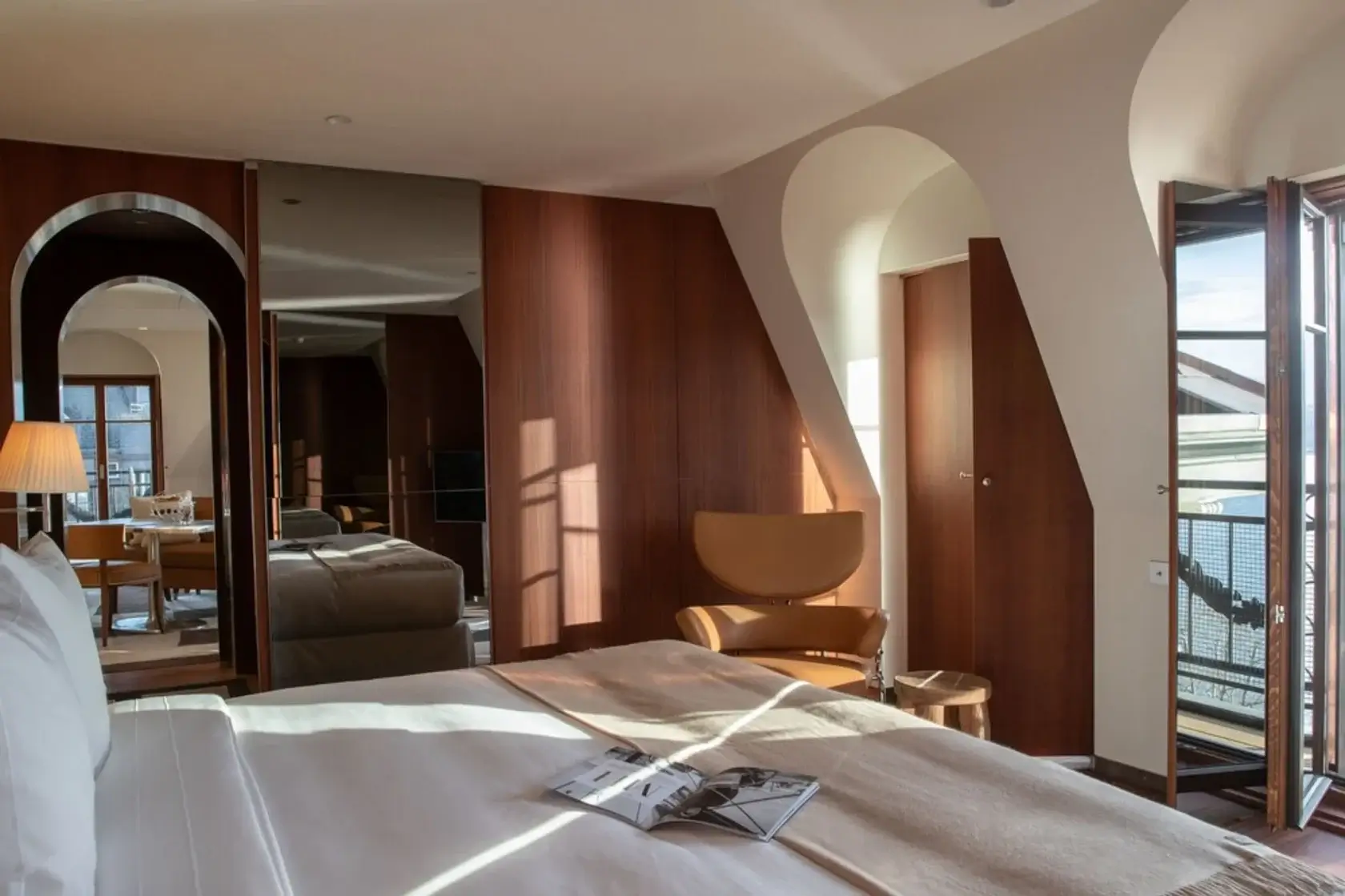
La Réserve Eden au Lac
An imaginative, yacht-club-inspired oasis reimagined by Philippe Starck, offering vibrant elegance on the lakeshore.
Check AvailabilityThis guide is written by an experienced travel writer with local knowledge of the Bernese Oberland. All facts are drawn from authoritative sources: official Interlaken tourism, Switzerland Tourism and Jungfrau Region sites, SBB and BLS transport info, and up-to-date travel resources. We cite current schedules and data to ensure accuracy. The content relies on official timetables and firsthand accounts to help you trust the itinerary and tips.
Interlaken, Lake Brienz & Thun — The Best Lakes of Switzerland Guide
Interlaken is a resort town between Lake Brienz and Lake Thun in central Switzerland. It’s famous for its turquoise Lake Brienz (embellished by cruises and Giessbach Falls) and deep-blue Lake Thun (lined with castles and villages). The ideal season is late spring through early autumn when boat services run (Lake Brienz: Apr–Oct, Lake Thun: year-round). Travelers typically stay 2–4 days to cruise the lakes, hike Harder Kulm for panoramic views, and explore towns like Thun and Spiez. Switzerland’s punctual trains (with the Swiss Travel Pass) and scenic boats make getting around easy.
- Interlaken is nestled on the Aare River between Lake Brienz and Lake Thun. Boat cruises on these lakes showcase the region’s dramatic scenery. In summer you can “glide across the [Lake Brienz’s] waters on the boat and recharge your energy in the sunshine”.
- Keywords: interlaken lake brienz; boat cruise; Harder Kulm.
The Geneva Gold Standard
From the historic banks of Lake Geneva to ultra-private wellness sanctuaries, experience the pinnacle of Swiss hospitality.
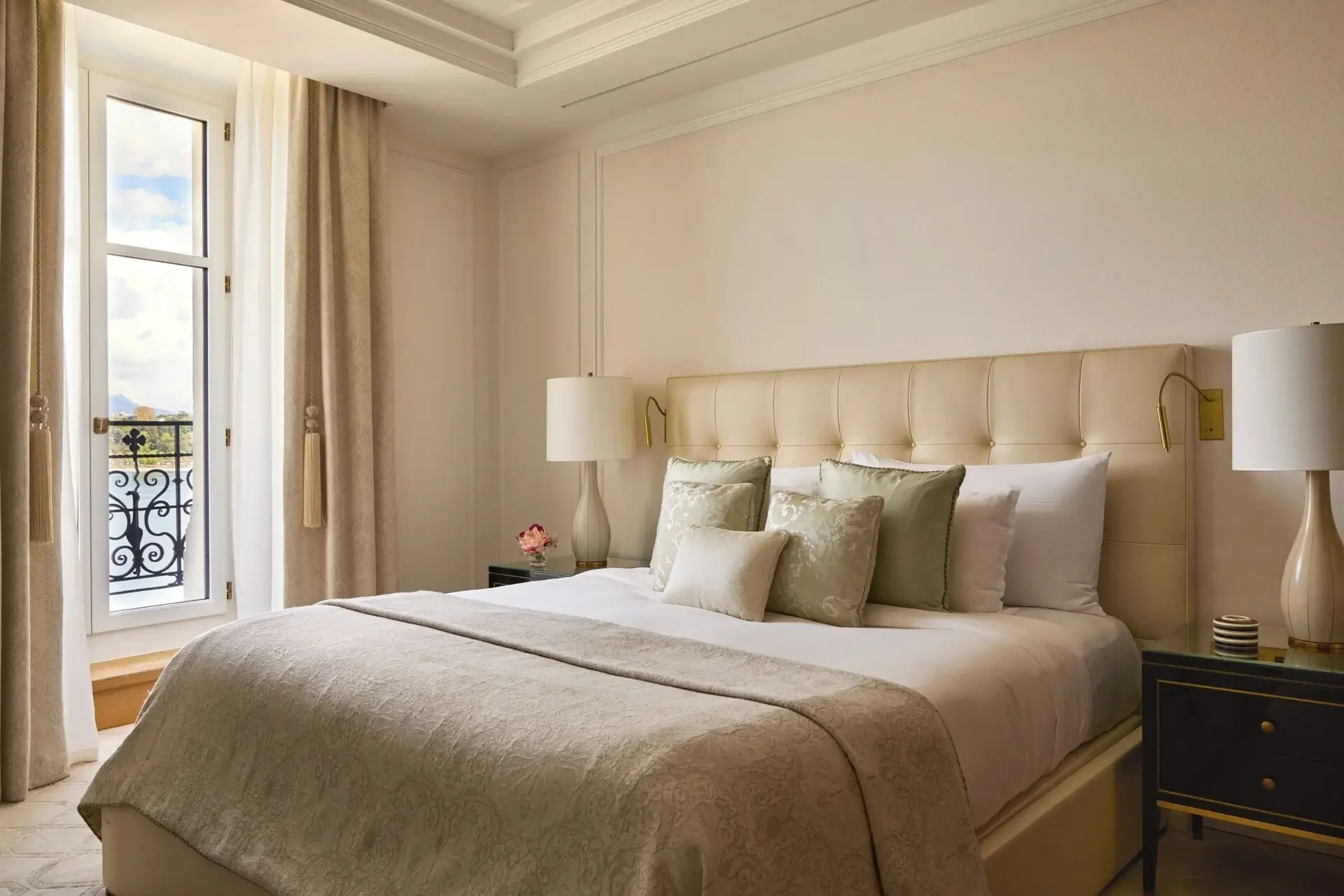
The Woodward
Geneva’s first all-suite hotel. A lakeside masterpiece featuring Michelin-starred dining and world-class Guerlain spa facilities.
Reserve Your Suite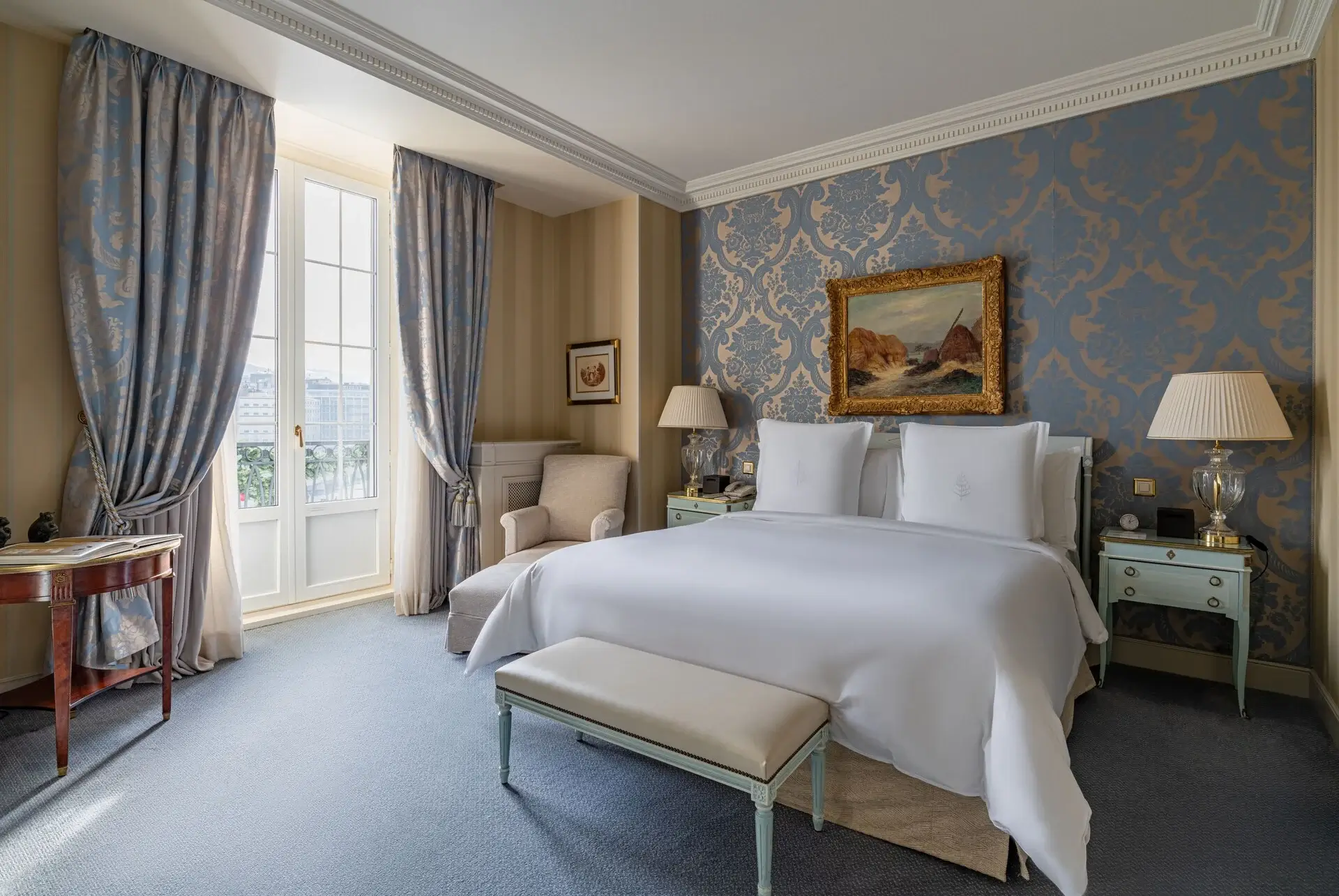
Four Seasons des Bergues
The oldest grand hotel in Geneva, blending historic elegance with panoramic views of the Jet d’Eau and the Alps.
Unlock Rates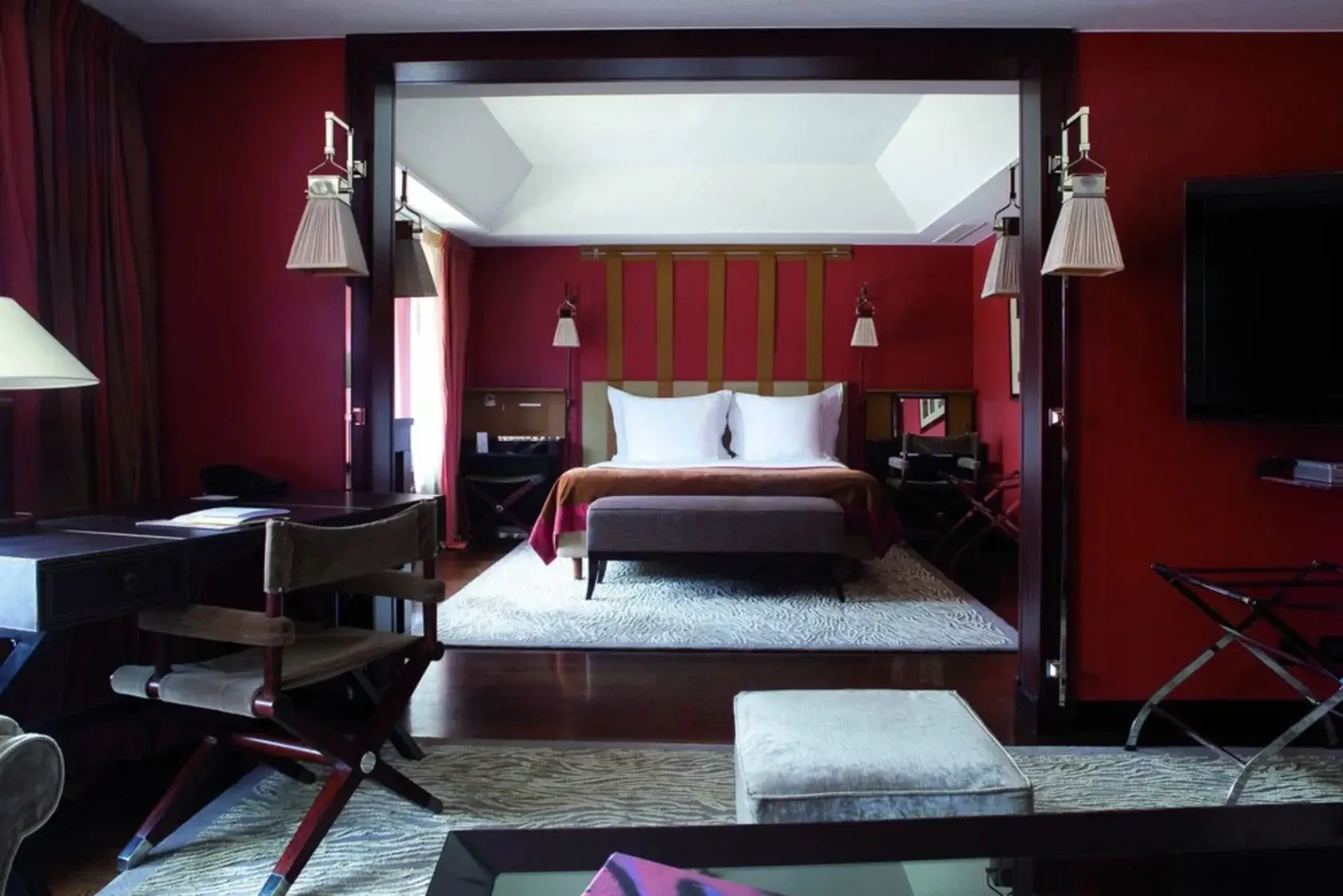
La Réserve Genève
Set within a private 10-acre park, this lakeside resort is a haven for wellness, featuring the renowned Nescens Spa.
Check AvailabilityDiscover Interlaken (between Lake Brienz & Thun)
Interlaken itself is the gateway to both lakes. The town lies on the Aare River between turquoise Lake Brienz (east) and deep Lake Thun (west). Harder Kulm, Interlaken’s local mountain (1322 m funicular ride), offers “overwhelming views of Interlaken and the peaks of the Eiger, Mönch and Jungfrau”, with the Two Lakes Bridge letting you see Lake Brienz’s left and Lake Thun’s right. Staying in Interlaken (Ost or West) is convenient for trains, boat jetties, and the Jungfrau region. Local transport is excellent – we recommend the Swiss Travel Pass for unlimited rides on regional trains and lakeside boats.
- Interlaken sits in the Bernese Oberland between lakes. It’s a short train ride (~30 min) from Bern/Zurich.
- Boat jetties at Interlaken Ost/West connect to villages on each lake. The lakes meet at Interlaken via the Aare.
- Harder Kulm funicular (10 min from Interlaken) – panorama restaurant and “Two Lakes Bridge” for photos.
Lake Brienz: Turquoise Jewel with Cruises
Lake Brienz is an emerald-blue lake rimmed by the Alps and quaint villages. Boat tours let you explore spots like Giessbach Falls and Iseltwald. Lake Brienz (Brienzersee) is renowned for its intense turquoise color (thanks to glacial melt). The BLS ships (e.g. motor ship Brienz, paddle Lötschberg) run April–October. A full round-trip cruise (Brienz→Giessbach→Oberried→Iseltwald→Ringgenberg→Bönigen→Interlaken) takes about 2½ hours. Onboard catering is available; the ship’s galley offers “an extensive selection of culinary delights”.
- Highlights: Cruise past Giessbach Falls (hotel & waterfall, a favorite stop), the islet Schnäggeninseli, and the village Iseltwald.
- Steamship: The historic paddle Lötschberg runs twice daily (daily + Sat evening) in summer.
- Boat vs. Train: A one-way boat trip (Brienz→Interlaken) is ~1h15, round-trip ~2h30. Regional bus returns are available as an option.
- Passes: Swiss Travel Pass and the Bernese Oberland Pass cover Lake Brienz boats.
The Zermatt Alpine Series
Curating the pinnacle of high-altitude luxury. Discover Zermatt’s most exclusive mountain retreats and unmatched Matterhorn views.
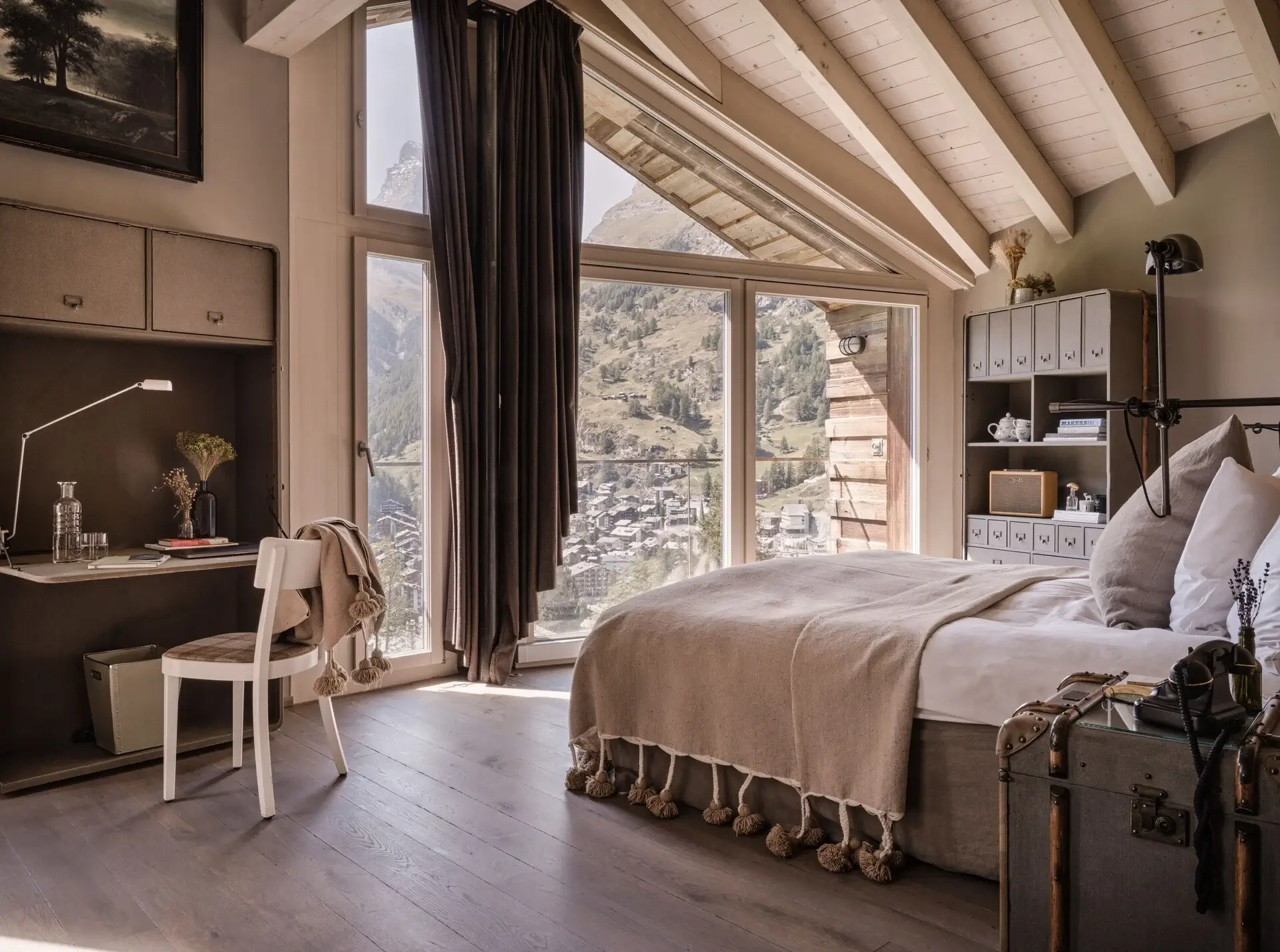
CERVO Mountain Resort
A conscious, modern retreat blending sustainable luxury with ski-in/ski-out access and breathtaking Matterhorn panoramas.
Discover CERVO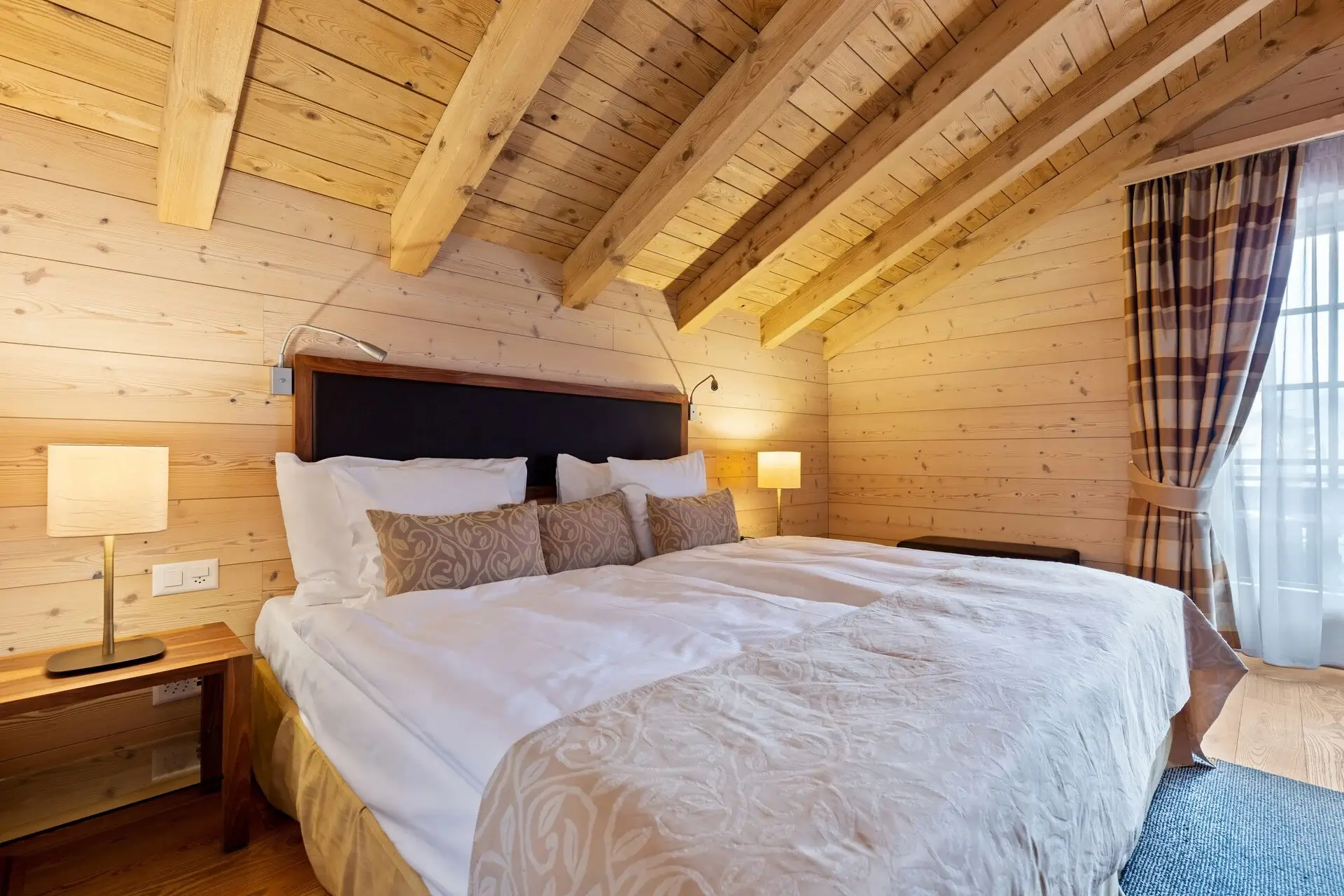
Grand Hotel Zermatterhof
A masterclass in traditional Swiss hospitality. Arrive by horse-drawn carriage to this legendary 19th-century palace.
Step Into History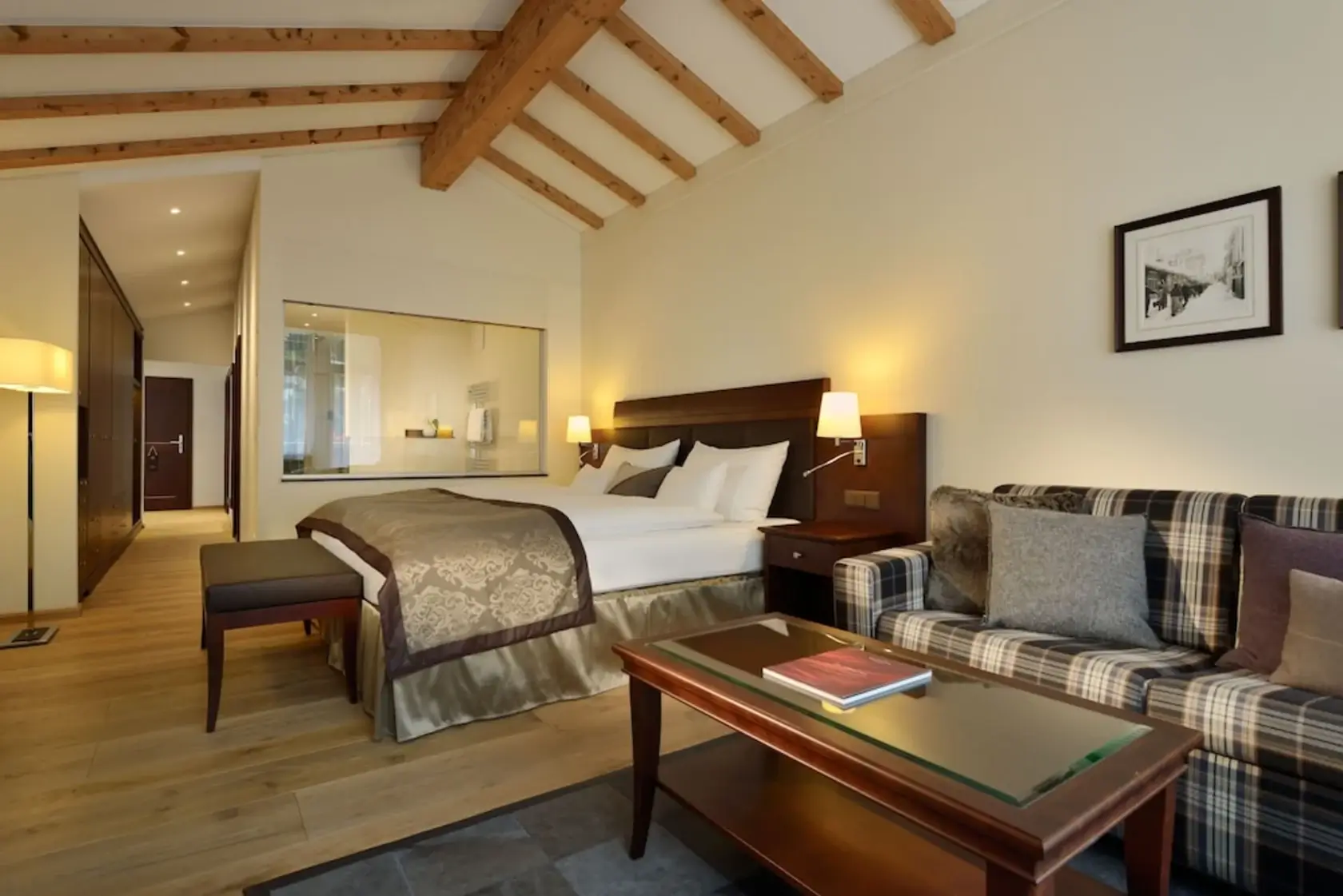
Mont Cervin Palace
A legendary member of the Leading Hotels of the World, delivering timeless Swiss charm and carriage arrivals since 1852.
Reserve the PalaceBook Flight To Nearby Airport
When you travel, your time and comfort are your most valuable assets. That is why we recommend bypassing the hassle and booking your premium flights directly through below widget. Known for its powerful search technology, Kiwi makes securing the perfect, high-end itinerary effortless.
Whether you are flying for a crucial business meeting or a luxury getaway, booking the right flight sets the tone for your entire trip. We always recommend prioritizing direct flights in Business or First Class. Direct routes save you hours of exhausting layovers, while premium cabins offer priority boarding, exclusive lounge access, lie-flat seats, and superior dining. You arrive at your destination refreshed, respected, and ready to go.
Ready to secure your seat? Use the search tool below to find the best premium routes. Here is exactly how to tailor your search for the ultimate travel experience:
Your Step-by-Step Guide to Booking
1. Choose Your Journey Type Start by selecting either a One-way or Return trip at the top of the search box.
2. Upgrade Your Experience (Crucial Step) Click the cabin class dropdown and select Business Class or First Class. Skip the economy section—investing in a premium cabin ensures you get the exceptional service, extra space, and luxurious amenities you deserve from takeoff to touchdown.
3. Add Your Travel Companions Select the number of passengers traveling with you. Ensuring everyone is in the same premium cabin guarantees a cohesive and relaxing trip for your whole party.
4. Select Your Baggage Requirements Choose your checked and cabin baggage. A major perk of flying Business or First Class is that generous baggage allowances are almost always included, so you never have to pack light unless you want to.
5. Choose Currency: Select currency which you prefer for better understanding.
6. Enter Your Departure and Destination Input your home airport and where you are headed. Pro tip: Look for the direct flight options that populate. Direct flights dramatically reduce your travel time and minimize the risk of lost baggage or delays.
7. Search & Secure Your Flight Hit the Search button! This will instantly aggregate the best premium, direct routes available. Choose the schedule that fits your life, and complete your secure booking in just a few clicks.
Start Your Search Now:
Lake Thun: Castles and Panoramas
Lake Thun (Thunersee) lies west of Interlaken. Its deep-blue waters host the historic towns Thun and Spiez. A classic cruise from Interlaken West to Thun takes about 2h10, stopping at Oberhofen and Beatenbucht before reaching Thun city. Along the shores are fairytale castles (Thun Castle, Oberhofen Castle) and Alpine scenery. The paddle steamer Blümlisalp operates in summer (and some winter holidays). Swiss Travel Pass holders enjoy the Lake Thun trip; in Thun the pass also grants free entry to Thun Castle or the art museum.
- In winter, daily cruises connect Thun–Interlaken, offering snowy-view cruises and even fondue/chocolate fondue dinners.
- Villages: Spiez (with its lakeside castle) and Oberhofen are charming stops off Interlaken. Spiez has vineyards and a castle garden.
- Mountains: Lake Thun is encircled by peaks like Niesen (Bundt cake mountain) and Niederhorn – accessible via cable car for hikes.
Boat Cruises & Water Activities
Boat cruises are a highlight. On Lake Brienz, ferries run daily Apr–Oct. On Lake Thun, services are nearly year-round. Both lakes can be explored by rental paddleboat, kayak, or Stand-Up Paddleboard in summer. If the weather’s calm, even swimming is possible at official beaches (water stays cold year-round). Special cruises include breakfast or brunch boats and themed trips (e.g. sunset or buffet cruises on Lake Thun).
- Booking: Tickets sold at tourist offices, BLS jetties or onboard. Check the BLS Schifffahrt timetable (season changes after Oct).
- Swiss Travel Pass: Covers one-way or return boat rides on both lakes.
- Local tip: Sunrise on Lake Brienz and sunset over Thun yield gorgeous light – great for photographers.
Hiking & Panoramas
Interlaken’s lakeside location offers many hikes. The Harder Kulm funicular (10 min ride) brings you to 1322 m, where the Zwei-Seen-Steg viewing bridge overlooks the “shades of blue” of Brienz (left) and Thun (right). For high-altitude hiking, take the Brienz Rothorn steam train (summer) or visit Schynige Platte (via Wilderswil). Trails along the Aare River connect Interlaken to nearby waterfalls (Giessbach) or to Iseltwald. On Lake Thun, the Niederhorn and Niesen offer panoramic walks above the lake.
- Harder Kulm: Climb the 750 m via footpath or funicular. The Panorama Restaurant up there feels like a fairy-tale turret.
- Giessbach Waterfall: Hike (or take funicular) up to Giessbach Falls from the boat landing; the view from the Grandhotel Giessbach is spectacular.
- Brienzer Rothorn: Take the cogwheel train (Brünig Pass via Brienz) for Alpine trails and views back to the lake.
Seasonality & Timing
- Summer (Jun–Aug): Busiest time. Long daylight, warm weather, water sports (windsurf, wakeboard). Festivals (July street arts). All boat/cable car services running.
- Spring (Apr–Jun) & Fall (Sep–Oct): Pleasant temperatures, wildflowers (spring) or autumn colors (fall). Good hiking weather with fewer crowds. Boats on Brienz start in April. Peak occupancy is August.
- Winter (Nov–Mar): Cold and snowy. Lake Brienz boats stop in mid-Oct; Lake Thun still offers limited service. Region becomes a winter sports hub. The lakes freeze only partially (you can often ice-skate on parts if cold). Some special cruises (fondue, hot pot) run on Lake Thun, but main attractions shift to skiing.
Transport & Tips
Getting There: Interlaken is well-served by SBB trains (Interlaken Ost/West stations). Direct trains from Zurich (~2h) or Geneva (~3h). Buses link Interlaken to villages not on the train line.
Travel Passes: Use a Swiss Travel Pass or the Bernese Oberland Pass. Both include all public transport here: regional trains, Postbuses, and all boats on Lakes Brienz & Thun. These passes also cover mountain railways at a discount (e.g. Harder Kulm funicular).
Apps & Planning: The SBB Mobile app has train/boat schedules and platform info. SwissMaps or SwitzerlandMobility apps list hikes and bus routes. Check weather (MeteoSwiss) and dress in layers; mountain weather can change suddenly. Book peak excursions (like Mt. Schilthorn or Jungfraujoch) well in advance.
Itinerary ideas (table below): Plan 2–4 days in Interlaken. A sample 3-day itinerary (see [myswisstravelpass]) is: Day 1 – Spiez/Thun by train + Lake Thun cruise; Day 2 – Grindelwald/First or Lauterbrunnen waterfalls; Day 3 – Schilthorn cable car + Lake Brienz cruise. Adjust based on interests and weather.
| Day/Time | Plan A (Classic) | Plan B (Relaxed) |
|---|---|---|
| Day 1 Morning | Train to Spiez, hike vineyards, visit Spiez Castle | Boat to Giessbach Falls + funicular |
| Afternoon | Cruise Lake Thun to Oberhofen, short castle visit | |
| Day 2 Morning | Cable car to Harder Kulm for sunrise | Brienz village and lakeside hike |
| Afternoon | Take Brienz–Interlaken boat (Giessbach stop) | |
| Day 3 Morning | Mt. Schilthorn via Lauterbrunnen (Bond film site) | Hike to Giessbach or Aare Gorge |
| Afternoon | Lake Thun cruise Interlaken→Thun, visit Thun Castle |
Local Tips: Secure window seats on boat (evening trips on Lake Brienz are atmospheric). Try “café de la promenade” in Brienz, or lakeside fish restaurants in Spiez/Thun. Packing: bring rain gear and sturdy shoes for hikes.
Frequently Asked Questions | Interlaken, Lake Brienz & Lake Thun
Clear answers about Interlaken and Switzerland’s most scenic lakes — cruises, seasons, transport passes, safety and local experiences.
Where is Interlaken located?
What is Lake Brienz famous for?
How long is a cruise on Lake Brienz?
What sights can I see on a Lake Brienz cruise?
When do boats operate on Lakes Brienz and Thun?
Does the Swiss Travel Pass cover lake cruises?
What are the top attractions around Interlaken?
How many days should I spend in Interlaken and the lake region?
Is food available on lake cruises?
Are there castles along Lake Thun?
Can I hike around Interlaken and the lakes?
What is the weather like around the lakes?
When is the peak tourist season?
Which apps are useful for visiting Interlaken and the lakes?
Where can I buy lake cruise tickets?
What local food should I try?
Is Interlaken safe for tourists?
Can you swim in Lake Brienz or Lake Thun?
Are dogs allowed on lake boats?
What currency is used in Interlaken?
Connect with Aestethik ~ Receive Premium Stories, Tips & Guides for FREE!
Connect with us on LinkedIn, YouTube, Instagram, Facebook and Pinterest. Join now ⟶