
Short Answer: To travel in Rome, Italy in 2026, target the shoulder seasons of spring and autumn for the best balance of weather and value.
At a Glance
- Best Season: April–June or September–October for mild weather.
- Top Neighborhoods: Trastevere (Nightlife), Monti (Hip), Centro Storico (Convenience).
- Transport Tip: A BIT ticket costs €1.50 and is valid for 100 minutes across the network.
- Daily Budget: Approximately €100–€150 for mid-range travelers (example estimate).
Introduction
Rome, the Eternal City, remains a global pinnacle where ancient history meets modern luxury. From the engineering marvel of the Pantheon to the vibrant culinary scene in Trastevere, the city has been a symbol of cultural strength for over 2,500 years. For high-net-worth individuals and budget-conscious travelers alike, the city offers a unique blend of historical immersion and financial opportunity, ranging from world-class dining to strategic residency through the Italian Investor Visa program.
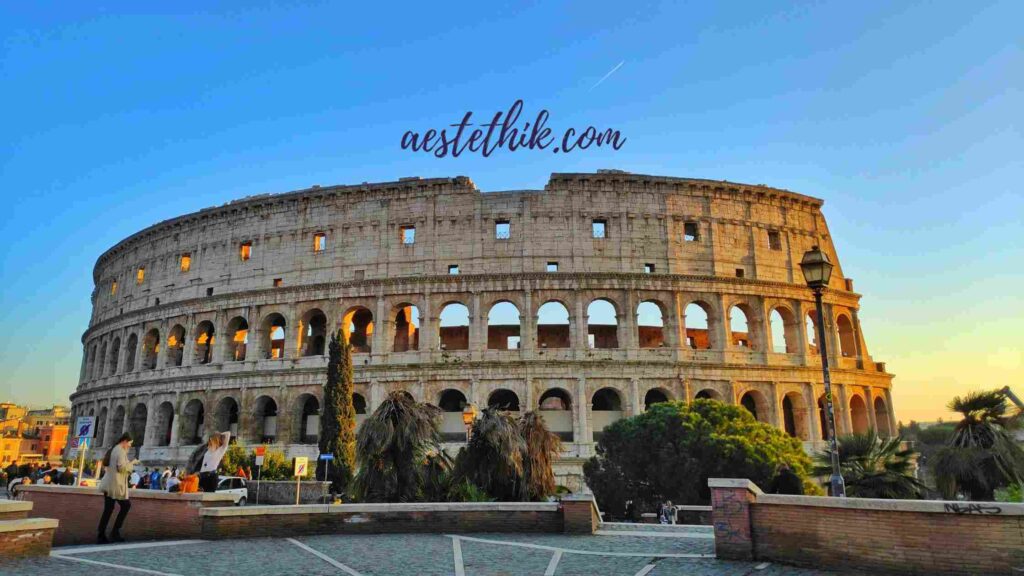
Explore the Colosseum ~ Rome’s largest ancient amphitheatre and icon
Quick summary: Built AD 70–80, the Colosseum is the largest ancient amphitheatre still standing, per the Parco Archeologico del Colosseo. Parco Archeologico del Colosseo
Short practical note: Book timed-entry tickets through the Parco Archeologico del Colosseo to cut queue time. Parco Archeologico del Colosseo
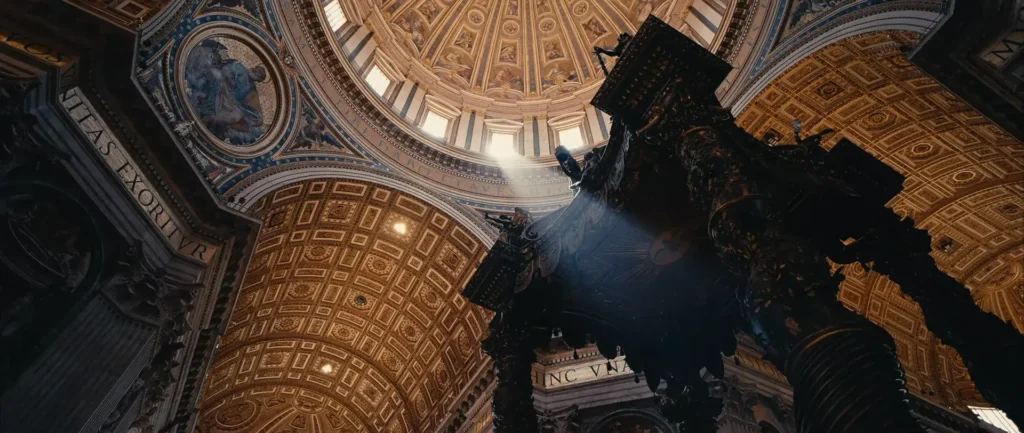
Explore Vatican City ~ Art, faith, and the Sistine Chapel
Quick summary: The Vatican Museums hold the Sistine Chapel and major Renaissance works; check the official portal for closures. Vatican Museums
Short practical note: The Sistine Chapel sometimes closes for official events; confirm dates on the Vatican Museums site before booking. Vatican Museums
Explore the Roman Forum | Political heart of ancient Rome
Quick summary: Walk between temples and basilicas on Palatine Hill for layered history and viewpoints.
Short practical note: Combine Colosseum, Forum and Palatine on a single ticket to save time and avoid repeats.
Explore the Trevi Fountain | Baroque spectacle and coin tradition
Quick summary: Tossing a coin remains a tradition, but access rules and crowd controls changed after restoration, according to AP News. AP News
Short practical note: Follow local signage; fines can apply for restricted access or illegal vending. AP News
Explore the Spanish Steps | A charming meeting place
Quick summary: The 135 steps lead from Piazza di Spagna to Trinità dei Monti and make a pleasant pause between sights.
Short practical note: Respect rules during restoration or when local authorities restrict sitting.
Explore Piazza Navona | Baroque fountains and cafés
Quick summary: A compact square with Bernini’s Fountain of the Four Rivers and lively street life.
Short practical note: Avoid tourist-price menus on main façades; walk one block for better value.
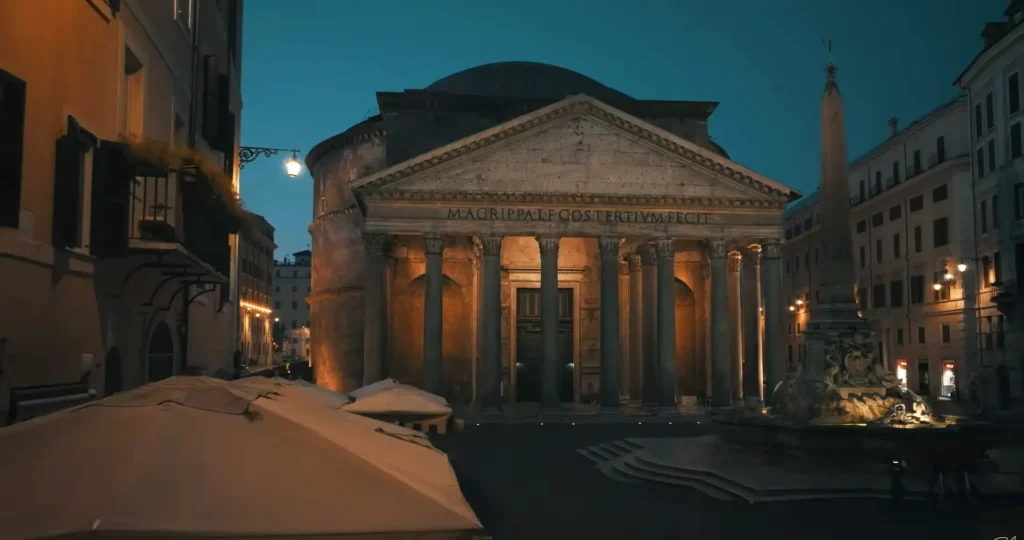
Explore the Pantheon | A near-perfect Roman dome
Quick summary: The Pantheon’s unreinforced concrete dome is an engineering milestone; queues are shorter off-peak.
Short practical note: Check opening hours; free entry may be limited on very busy days.
Explore Castel Sant’Angelo | Fortress, history, and river views
Quick summary: Hadrian’s tomb turned fortress; rooftop views reward a short climb.
Short practical note: Combine with a riverside walk along the Tiber to end a sightseeing day.
Explore Villa Borghese Gardens | Green lungs and art
Quick summary: Large park with the Borghese Gallery; ideal for a slow afternoon and a picnic.
Short practical note: Reserve Borghese Gallery tickets in advance; entry is limited daily.
Explore the Catacombs | Subterranean early-Christian sites
Quick summary: Network of burial galleries offering a quiet archaeological contrast to surface Rome.
Short practical note: Visits usually require guided tours — book in advance for best slots.
Financial Intelligence: Costs & Budgeting
This section focuses on maximizing value and understanding the financial landscape of the Italian capital.
Accommodation & Real Estate
- Luxury: High-end suites in the Centro Storico often exceed €400 nightly.
- Mid-Range: Boutique hotels in Monti or Trastevere typically range from €150 to €300.
- Investment: Rome’s real estate market remains a target for those seeking residency via investment, particularly through the Ministry of Foreign Affairs guidelines for long-term stays.
Dining & Daily Expenses
- Fine Dining: Expect to pay €50–€100 per person at Michelin-starred establishments.
- Local Eats: Traditional trattorias offer high-quality meals for €20–€40.
- Transport: Navigating the city is cost-effective via the ATAC public transport system, where a 72-hour pass costs €18.
The 48-Hour Playbook
- Day 1 (Ancient Core): Morning at the Colosseum; afternoon at the Roman Forum; evening walk to the Trevi Fountain.
- Day 2 (Vatican & Beyond): Early entry to the Vatican Museums; lunch in Prati; sunset at the Castel Sant’Angelo.
- Booking Tip: Always book “Skip-the-Line” tickets at least 3 weeks in advance for major monuments.
Pricing & Booking Notes
- Average Hotel (3-star): €120/night (example estimate).
- Private Tour: €250+ for small groups (example estimate).
- Airport Transfer (Fiumicino): €50 flat rate for official taxis to the city center.
Frequently Asked Questions
- Do I need a visa for Italy? Most non-EU travelers can visit for 90 days visa-free, though the European Commission manages specific Schengen requirements.
- Is the water safe to drink? Yes, the public “nasoni” fountains provide free, high-quality cold water throughout the city.
- When is the cheapest time to visit? January and February offer the lowest hotel rates but cooler, wetter weather.
- How do I pay for transport? You can tap-and-go with contactless credit cards on all buses and metro gates.
- Is Rome safe for solo travelers? Generally yes, though pickpocketing is common in high-traffic tourist areas.
- What is the “Coperto”? A small per-person “cover charge” (usually €1–€3) added to restaurant bills for bread and service.
- Can I use US Dollars? No, Euros are mandatory; use bank-affiliated ATMs (Bancomat) for the best rates.
- Should I tip in Rome? Tipping is not mandatory but rounding up the bill or leaving 5-10% is appreciated for exceptional service.
Key Takeaways
- Shoulder Season: Visit in May or October for the best climate.
- Public Transit: Use the official ATAC app or contactless payments for the metro.
- Water: Utilize the free historical fountains to save on plastic and costs.
- Residency: Explore the Golden Visa for long-term European access.
- Booking: Pre-book the Vatican and Colosseum to avoid 3-hour queues.
Thank you for being of assistance to me. I really loved this article.