
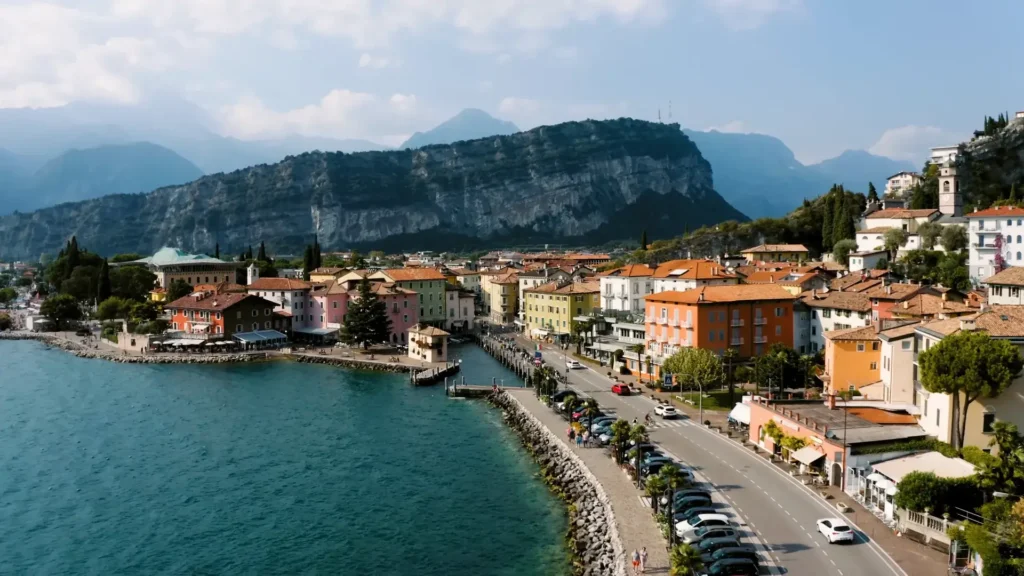
Short answer: Travel in Italy 2026 — ten curated destinations, practical 24–72 hour playbooks, and booking notes for smart planning.
At a glance
- Best season: Spring and autumn for mild weather and fewer crowds.
- Top neighbourhoods: Trastevere (Rome), Oltrarno (Florence), San Marco (Venice).
- Transport tip: Use high-speed trains for city hops; book Frecciarossa tickets early. (Trenitalia Frecciarossa).
- Daily budget: €120–€250 per person/day (example estimate) depending on travel style.
Introduction
Travel in Italy remains one of the world’s most rewarding trips in 2026. This guide gives clear, people-first advice for the top ten destinations. Expect compact playbooks, booking actions, and inline sourcing for key facts. No fluff — just usable steps to plan a memorable Italian trip.
Explore Rome | Ancient capital, layered landmarks
Quick summary: Rome blends ancient ruins, Vatican art, and lively neighbourhood cafés. For historical context, the city sits at the centre of the Schengen Area travel system (Schengen Area).
What to do (24 hours): Morning at the Colosseum and Roman Forum; midday gelato near the Pantheon; sunset in Trastevere. Book Colosseum timed tickets in advance.
Why go: World-class monuments and easy rail links to Florence and Naples.
Explore Florence | Renaissance art in compact form
Quick summary: Florence is the heart of the Renaissance and a short walkable city for art lovers.
What to do (24 hours): Uffizi in the morning, Duomo climb midday, Accademia in late afternoon. Reserve skip-the-line tours for Uffizi and Accademia.
Why go: Dense museums and a clear city rhythm that suits a two-day itinerary.
Explore Venice | Canals, quiet corners, and ritual piazzas
Quick summary: Venice is unique for its waterways and historic squares.
What to do (24–48 hours): Early walk in San Marco before crowds; vaporetto on the Grand Canal; quiet Cannaregio evenings. Avoid peak summer; travel in shoulder seasons.
Why go: Iconic architecture and a compact, photogenic core.
Explore the Amalfi Coast | Dramatic cliffs and coastal towns
Quick summary: A cliff-lined coastline of villages, trails, and sea views.
What to do (24–48 hours): Positano’s stairways, Amalfi’s Duomo, and Ravello’s gardens. Hike the Sentiero degli Dei (Path of the Gods) for coastline panoramas (Sentiero degli Dei).
Why go: Coastal scenery and curated day hikes.
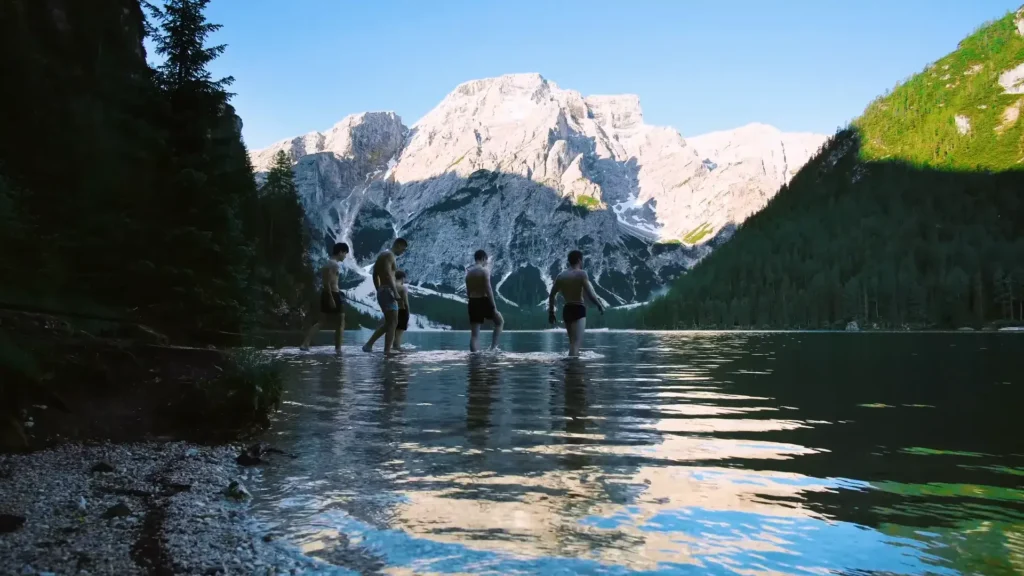
Explore Tuscany | Vineyards, medieval hill towns, and slow food
Quick summary: Rolling hills, Chianti wines, and UNESCO landscapes.
What to do (48–72 hours): Wine tasting in Chianti, Val d’Orcia photo stops, and Siena’s Piazza del Campo. Visit Val d’Orcia for its UNESCO-listed landscape. (Val d’Orcia — UNESCO).
Why go: Countryside pace, wine culture, and photogenic drives.
Explore Milan | Fashion, design, and grand architecture
Quick summary: Italy’s modern hub for style and opera.
What to do (24–48 hours): Duomo rooftop, La Scala museum, and the Quadrilatero della Moda. Time visits around Milan Fashion Week only if you want the atmosphere.
Why go: High-end shopping and a compact core for modern Italy.
Explore Cinque Terre | Colourful coastal villages and short hikes
Quick summary: Five linked fishing villages with coastal trails and sea views.
What to do (24–48 hours): Train between villages, hike the Sentiero Azzurro, and sample Ligurian seafood. The area is a UNESCO cultural landscape. (Portovenere, Cinque Terre — UNESCO).
Why go: Scenic coastal hiking and a slow, seaside pace.
Explore Sicily | Ancient ruins, active volcanoes, and island culture
Quick summary: Rich archaeology, Mount Etna, and distinct cuisine.
What to do (48–72 hours): Valley of the Temples, Taormina theatre views of Mount Etna, and Palermo markets. Mount Etna remains an active volcanic landmark and a regional highlight.
Why go: A unique island culture blending Mediterranean layers.
Explore Lake Como | Villas, calm waters, and alpine backdrops
Quick summary: Elegant lakeside towns and scenic boat rides.
What to do (24–48 hours): Bellagio and Varenna by ferry, visit Villa del Balbianello gardens, and take the Greenway walk. Boats between towns save time and reveal the best views.
Why go: Luxury villas and peaceful waterborne routes.
Explore Verona | Roman arena and a romantic old town
Quick summary: Roman amphitheatre, lively squares, and Shakespearean charm.
What to do (24 hours): Verona Arena visit, Piazza delle Erbe stroll, and a walk across Ponte Pietra. The arena hosts summer opera that sells out fast.
Why go: Compact history and a romantic atmosphere.

Practical: 24–72 hour playbooks
Rome (24 hours)
- Book: Colosseum timed entry + Roman Forum bundle.
- Move: Metro or walk; Trastevere evenings on foot.
- Action: Reserve dinner near Campo de’ Fiori.
Florence (48 hours)
- Book: Uffizi skip-the-line and Duomo climb slot.
- Move: Walk; short taxi for nighttime transfers.
- Action: Prebook Accademia time to see David.
Venice (24–48 hours)
- Book: Vaporetto day pass and St. Mark’s Basilica entry online.
- Move: Vaporetto for long hops; walking for alleys.
- Action: Avoid gondola at peak sunset; choose morning rides.
Amalfi / Tuscany / Lake Como — book ferries and high-speed train legs early. Use local ticket desks for last-mile buses.
Booking tips
- Book high-speed train tickets (Frecciarossa) at least 2–6 weeks ahead for best fares (Frecciarossa — Trenitalia).
- Reserve top museums and popular villas online.
- For Amalfi and Cinque Terre, check seasonal ferry schedules before you travel.
- Use refundable hotel rates during uncertain plans.
Pricing & booking notes
- Average midrange daily cost: €120–€250 per person/day (example estimate).
- High-season peaks (June–August, major events) can double hotel rates (example estimate).
- Golden Visa investment tiers for residency: €2M government bonds, €500k in an Italian company, €1M donation, or €250k in innovative startups — check official Investor Visa guidance. (Investor Visa for Italy).
- Passport power: Italy ranks among the top passports globally. See Henley Passport Index for current placement. (Henley Passport Index).
Key takeaways
- Spring and autumn balance weather and crowds.
- Book Frecciarossa and major museums early for savings. (Frecciarossa)
- Tuscany’s Val d’Orcia and Cinque Terre are UNESCO landscapes; plan accordingly. (Val d’Orcia — UNESCO) (Portovenere, Cinque Terre — UNESCO)
- Golden Visa routes exist but require significant investment and official application. (Investor Visa for Italy)
- Use local ferries and trains for best regional access.
FAQs
- Do I need a visa for Italy? — Many nationalities can visit visa-free; check Schengen rules for your passport. (Schengen Area)
- Is high-speed rail reliable? — Yes; Frecciarossa runs frequent high-speed services across major cities. (Frecciarossa)
- When to avoid Amalfi crowds? — Winter and early spring are quieter.
- Are Cinque Terre hikes open year-round? — Most trails open year-round; check local park notices for maintenance. (Parco Nazionale Cinque Terre)
- Can I buy a SIM at the airport? — Yes; TIM, Vodafone and WindTre kiosks are common at airports.
- Is Val d’Orcia worth visiting? — Yes; it’s a UNESCO cultural landscape known for photogenic hills. (Val d’Orcia — UNESCO)
- Is Mount Etna active? — Yes; Etna is active and monitored; book guided tours for safe access.
- How long to spend in Rome? — 2–4 days gives a good balance of landmarks and neighbourhood time.
- Is tipping common? — Small tips and rounding up are normal; service is usually included in checks.
- Can I use the Euro everywhere? — Most urban places accept cards; carry cash for rural markets.
- Is Italian widely spoken? — English is common in tourist areas; basic Italian phrases help.
- How to handle museum queues? — Prebook timed entries and use early morning slots.